MEDIA · 2025
Forbes interview: meet a French company
William Coignard introduces the company and its background.
Watch on YouTube ↗Rising damp, condensation and water ingress: explore our guides to identify the source of damp and choose a solution suited to your building.
HUMIDISTOP ON VIDEO
Meet the company through its interviews and explore the ATE and ATG installation guides.
MEDIA · 2025
William Coignard introduces the company and its background.
Watch on YouTube ↗MEDIA · 2025
A discussion about French manufacturing and the development of Humidistop.
Watch on YouTube ↗MEDIA · 2025
An interview about damp walls and capillary rising damp.
Watch on YouTube ↗EXPERT EXPLANATION · 2024
A short explanation of the principle presented for walls affected by rising damp.
Watch on YouTube ↗INSTALLATION GUIDE · 2026
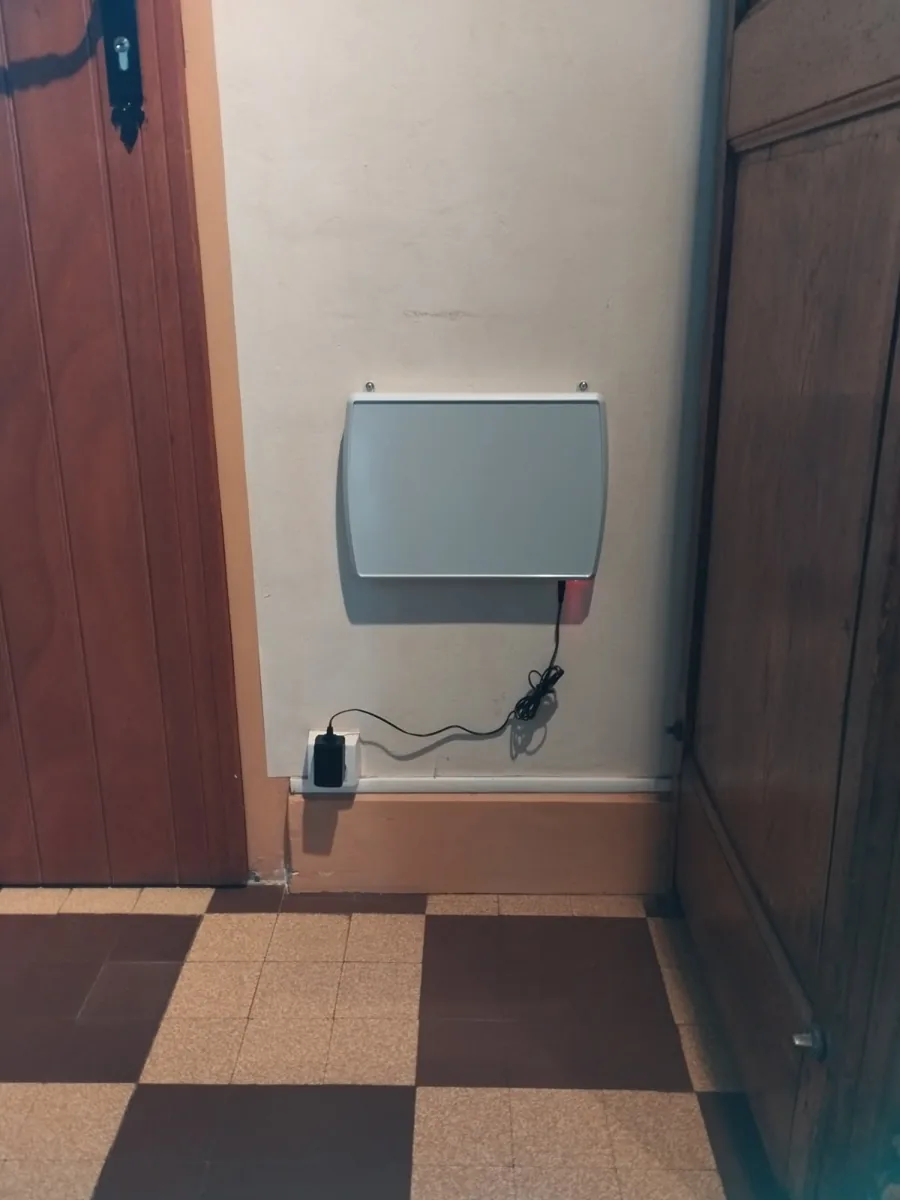
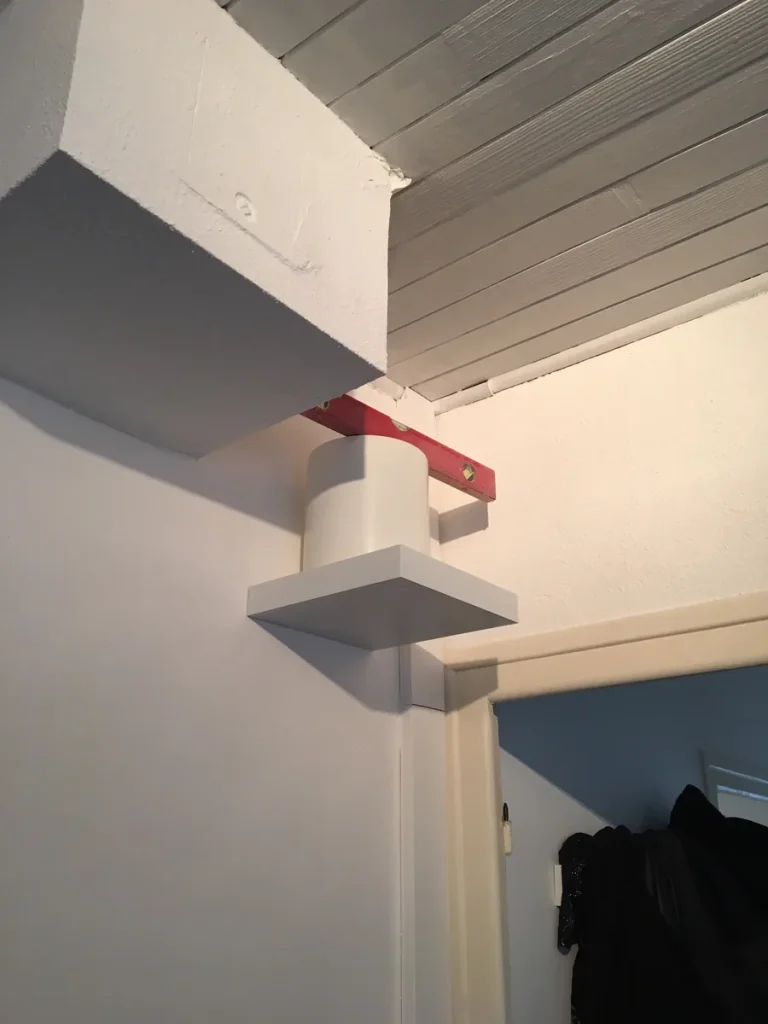
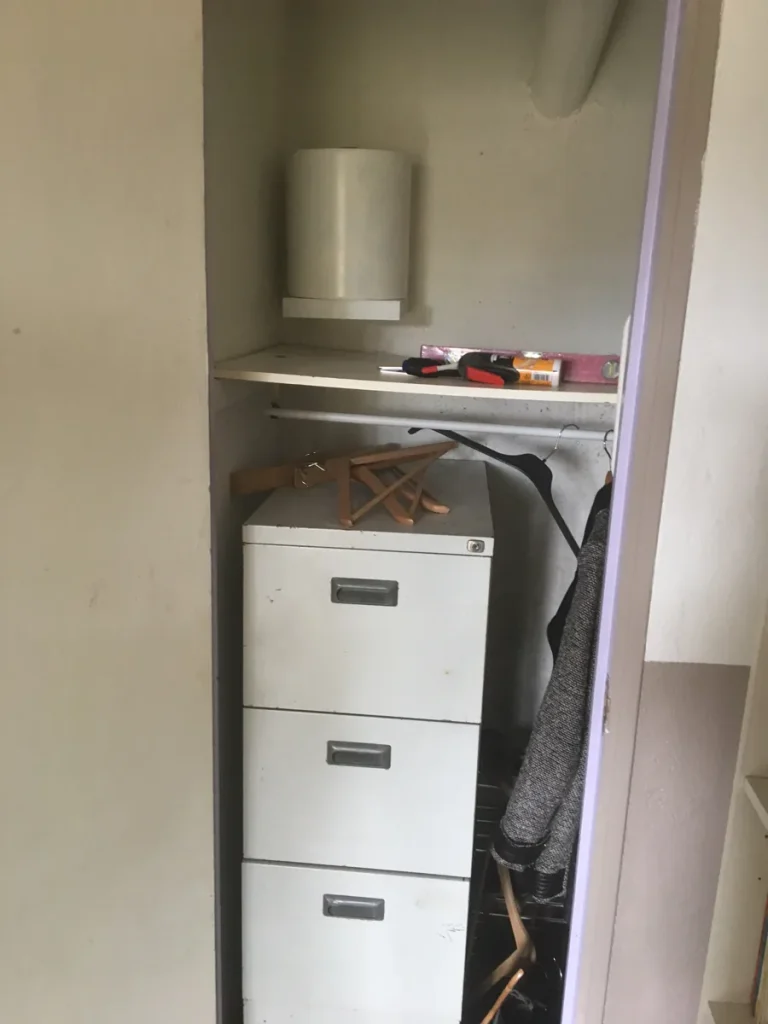
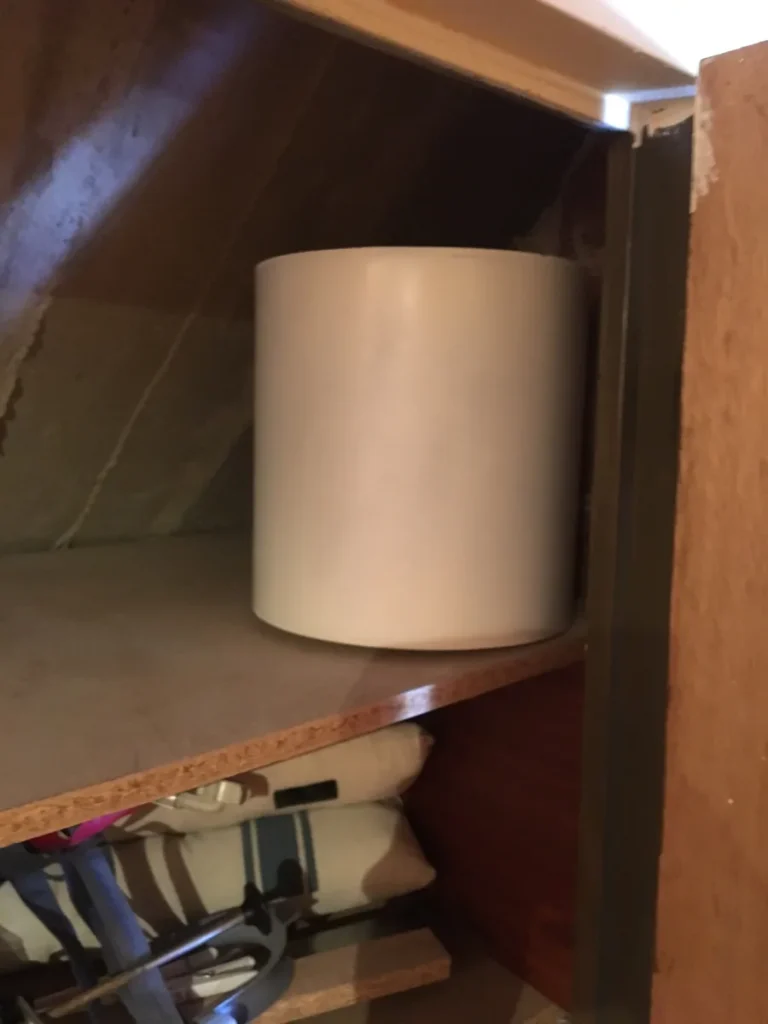
Installation guidance to read alongside the manual for your model.
Watch on YouTube ↗INSTALLATION GUIDE · 2026
The ATG installation steps; always check your model’s manual.
Watch on YouTube ↗Three questions to help you find your way, then articles to understand and choose.
Question 1 of 3
Your initial guidance
These three signs guide your investigation; they do not confirm a diagnosis on their own.
References, media, technical explanations, comparisons and installation examples: explore the articles below.
Selected guides on this subject · 16 articles
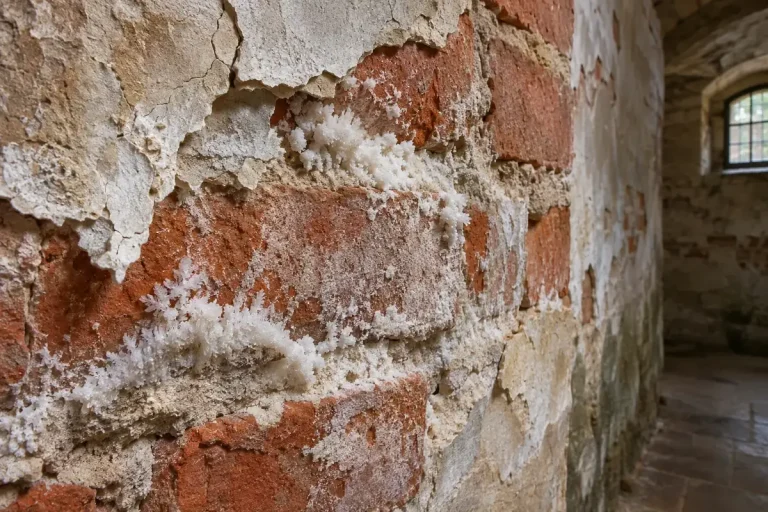
Why a Wall Becomes Damp at the Bottom A damp wall at the bottom is a sign that should not be ignored. It is often noticed when paint bubbles, plaster falls away or a dark mark appears near…
Read the article →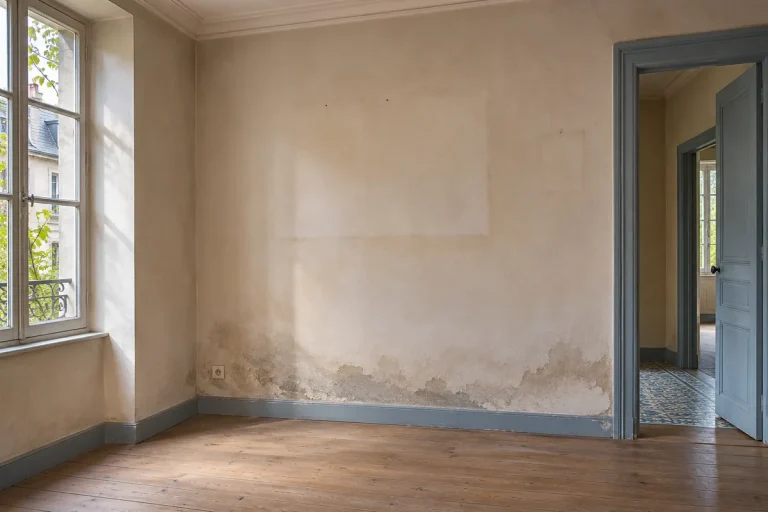
Saying the house is damp does not identify a treatment. A simple sheet for each room helps compare what repeats and what remains local.Before choosing equipment, prepare a plan and dated photographs. Humidistop provides product pages and instructions…
Read the article →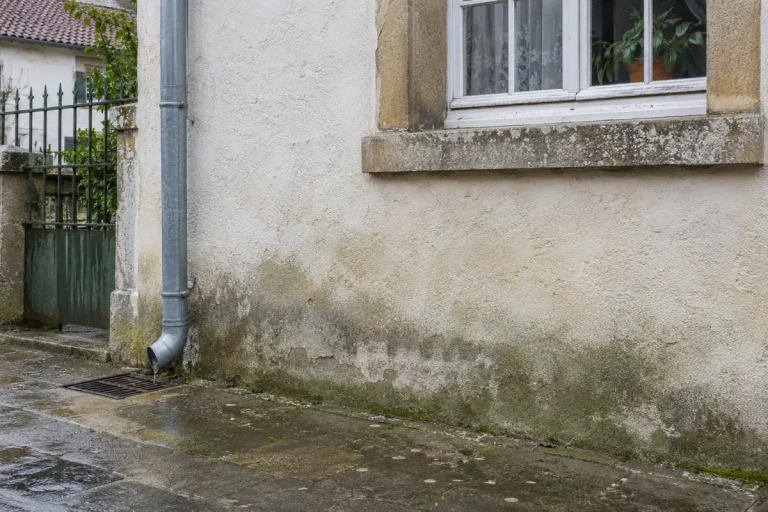
An internal mark may relate to the facade, while an external one may relate to the base of the wall. Look at the wider setting before selecting a product from appearance alone.Before choosing equipment, prepare a plan and…
Read the article →A swollen skirting board indicates that the material has absorbed moisture. Before replacing it, establish where the water comes from: a leak, penetrating water, condensation or rising damp can affect the bottom of a wall. The distortion alone…
Read the article →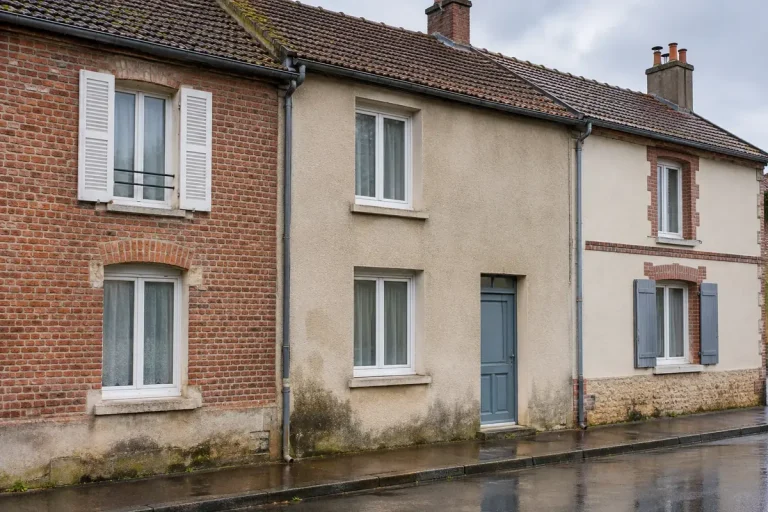
A damp party wall needs investigation before treatment: the water may come from a leak, rain entry, condensation or ground moisture. Compare observations on both sides where access is agreed. The position of a stain alone cannot establish…
Read the article →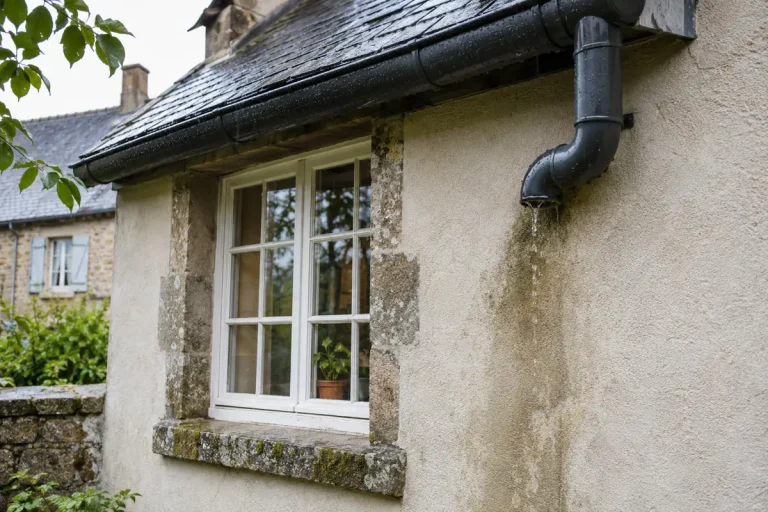
A damp mark on a wall, and straight away the question: is it condensation or damp getting in from outside? The distinction matters, because the two are not treated in the same way at all. One comes from…
Read the article →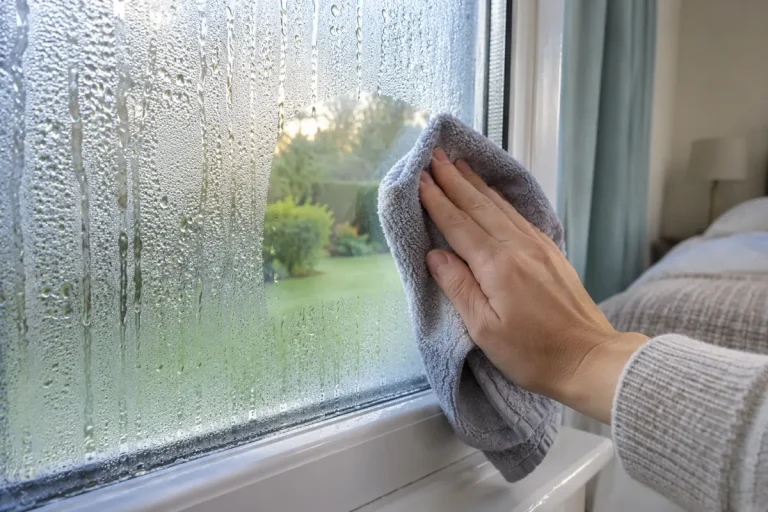
In winter, we heat our homes, keep the windows shut and cook more indoors: all habits that encourage humidity in winter. Misted-up windows, laundry that dries slowly, heavy air in the morning, the signs are easy to spot.…
Read the article →
You put your hand on a wall and it feels icy, sometimes with misting or little droplets forming: a cold wall is one of the main causes of condensation at home. When warm, damp air meets this surface,…
Read the article →Your mechanical ventilation, the vents that renew the air in your home, works day and night without you thinking about it. Yet without a little care, it clogs up and ventilates less and less well. Good ventilation system…
Read the article →
A windowless bathroom, a dressing room, a utility room, a toilet with no opening: how do you ventilate a room without windows when the air just goes round in circles and fills with humidity? It is a real…
Read the article →