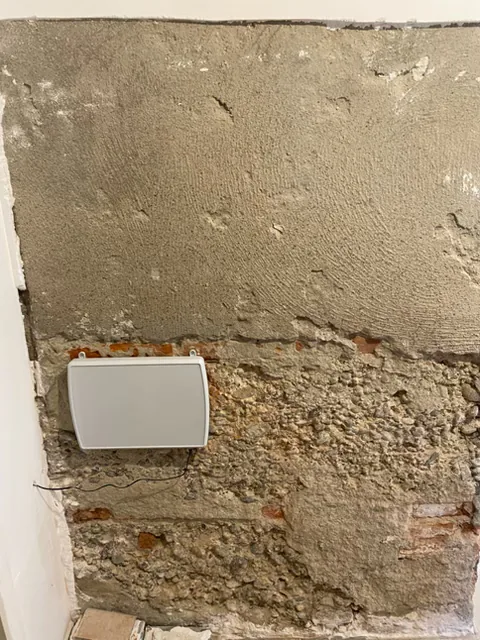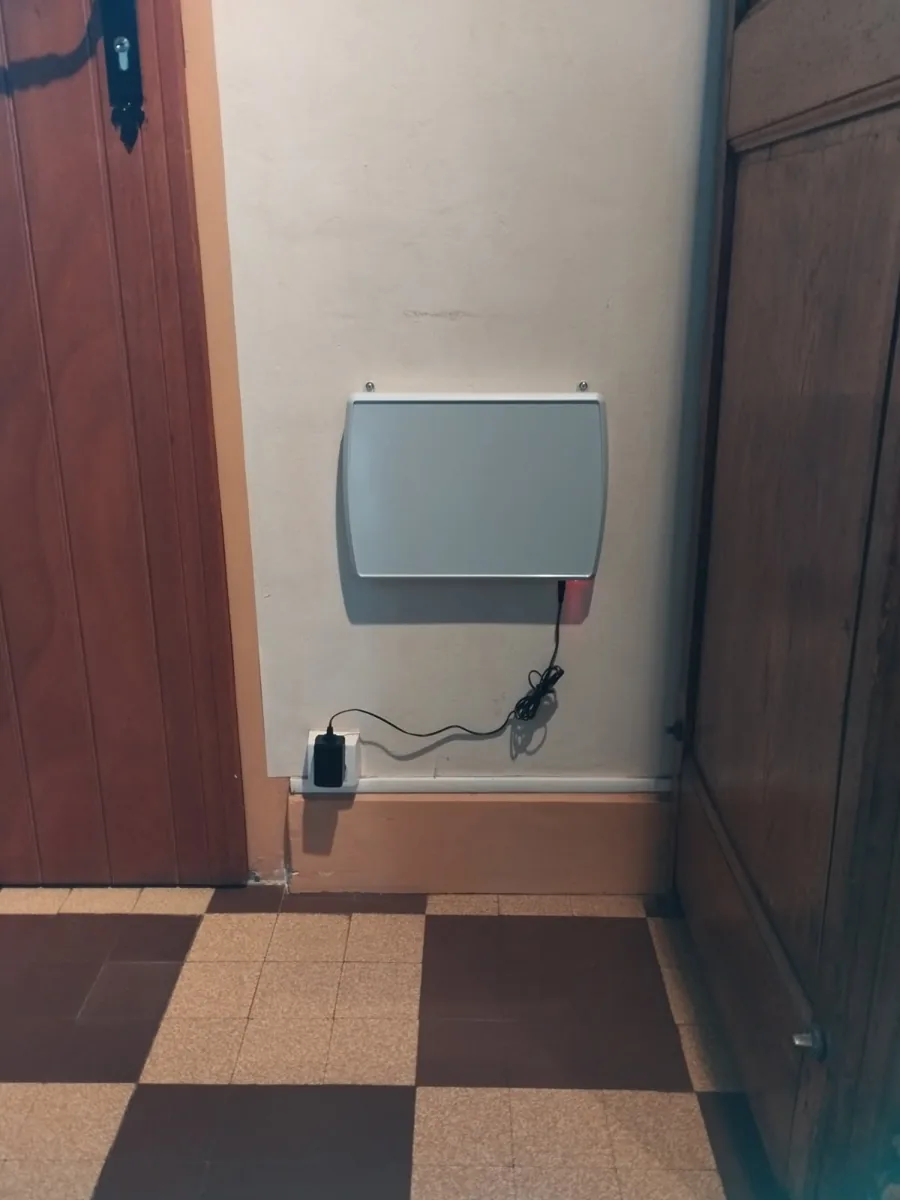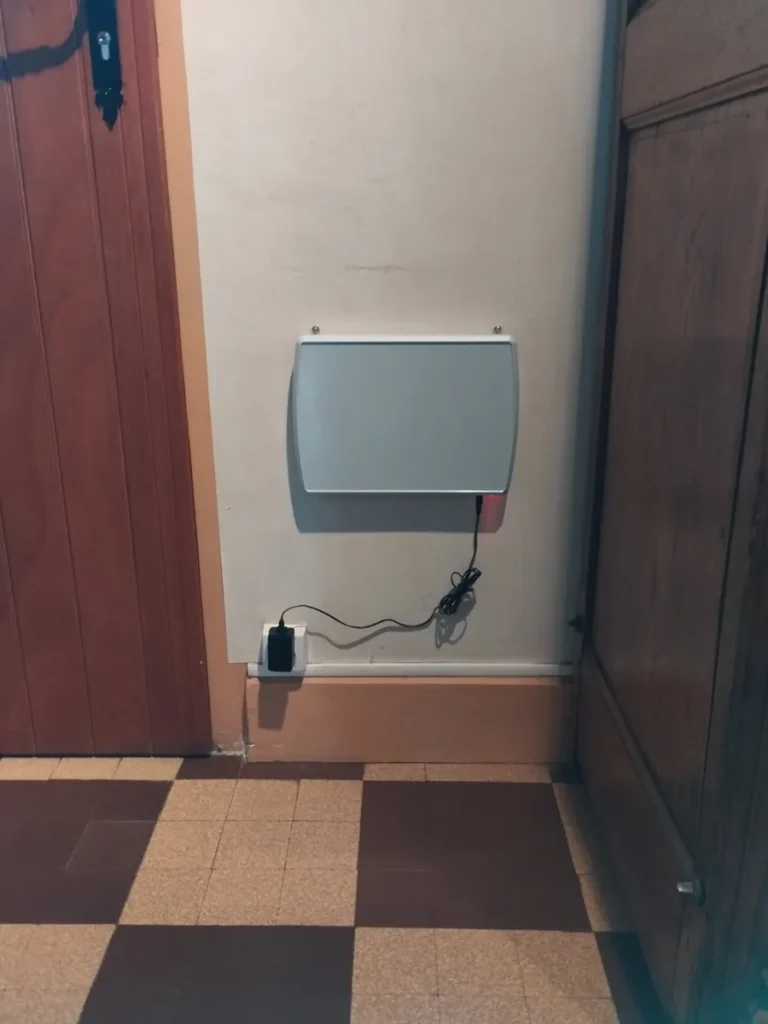
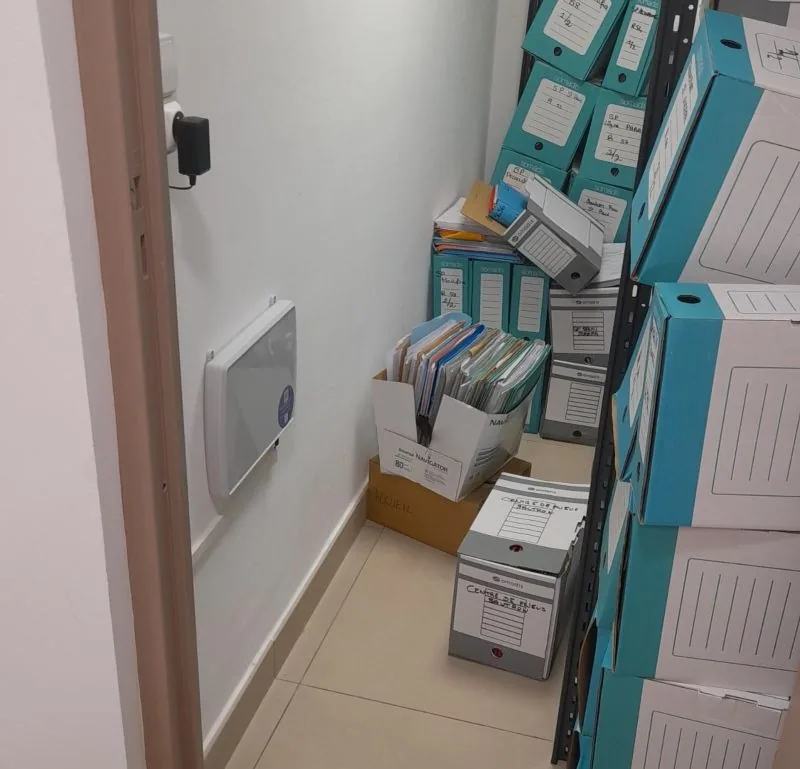
An ATE in an archive storage room in Saint-Denis
18/11/2026
Looking for a device to address rising damp? Start with the source of the moisture, the layout of the affected walls and the installation conditions. Humidistop offers ATE and ATG devices. You can install your model yourself in accordance with its manual or arrange suitable professional help.
First establish where the moisture comes from
Rising damp is water moving from the ground through the pores of masonry. Marks near floor level, white deposits and damaged plaster may justify investigating this possibility. None of these signs proves the cause on its own.
Check for leaks, penetrating rain and condensation before choosing a treatment. A rising damp device does not repair a leaking roof or replace ventilation. Establishing the cause helps you select equipment for the problem actually present.
ATE or ATG: compare the installation requirements
ATE devices use electromagnetic technology and require a permanent mains supply. Humidistop recommends ATE first when installation on a damp loadbearing wall and a permanent power supply are possible under the model’s instructions. ATG devices use geomagnetic technology and operate without an electrical connection. They offer an alternative when the conditions for ATE cannot be met.
Each model has its own positioning requirements. Do not apply ATE installation instructions automatically to an ATG device. Check the manual, the support and access as well as the availability of electricity.
Choose coverage from the actual installation point
ATE LC15 has a declared coverage diameter of 15 metres, equivalent to a 7.5-metre radius. LC30 and PULSE have a 30-metre diameter and 15-metre radius; PULSE offers a different design. MAX has a declared diameter of 60 metres and a 30-metre radius.
Mark the proposed position on a measured floor plan. Check the distances to the affected ground-floor areas. Floor area alone is insufficient for a long building or several connected wings. Greater coverage does not by itself mean faster drying.
Installing the device yourself or using a professional
Self-installation is possible when you can comply with the exact model’s manual and prepare a suitable fixing. Check the wall and concealed services before drilling. For ATE, arrange the permanent supply specified in the documentation. Electrical alterations require an appropriately qualified person.
If access, the support or the proposed position is difficult, seek suitable help. Confirm who supplies the device, who installs it and what the service includes. Avoid confusing an installation service with a separate investigation of the building’s moisture problem.
Keep a record and plan the follow-up
Humidistop devices are manufactured in France and carry a 10-year manufacturer’s warranty subject to its terms. Check those terms and keep the instructions and purchase documents.
Drying is progressive and varies with the masonry and building conditions. Keep dated photographs and compare measurements using consistent methods and locations when monitoring is undertaken. A dry-looking surface does not establish the condition deeper in the wall. Plan repairs and redecoration around the actual condition of the masonry.
Prepare your purchase with Humidistop
Use the shop to compare current models, documentation and prices. Prepare a dimensioned plan, photographs, the wall materials and the available findings about the moisture source. These details help you compare LC15, LC30, PULSE and MAX before ordering.
Read the ATE and ATG comparison alongside the relevant manual, then choose the installation route that suits the property.
Read the ATE and ATG comparison
Read the ATE and ATG comparison
Compare devices and current prices
Does a rising damp device treat every damp wall?
No. ATE and ATG are offered for rising damp. Leaks, rain penetration and condensation require measures directed at their own causes.
Is professional installation compulsory?
Self-installation is possible in accordance with the model’s manual and installation conditions. Appropriate professional assistance is another option.