Polarity Inverter for Damp Walls: Effectiveness and Limits
May 18, 2026
Rising Damp: Signs, Causes and Solutions
May 18, 2026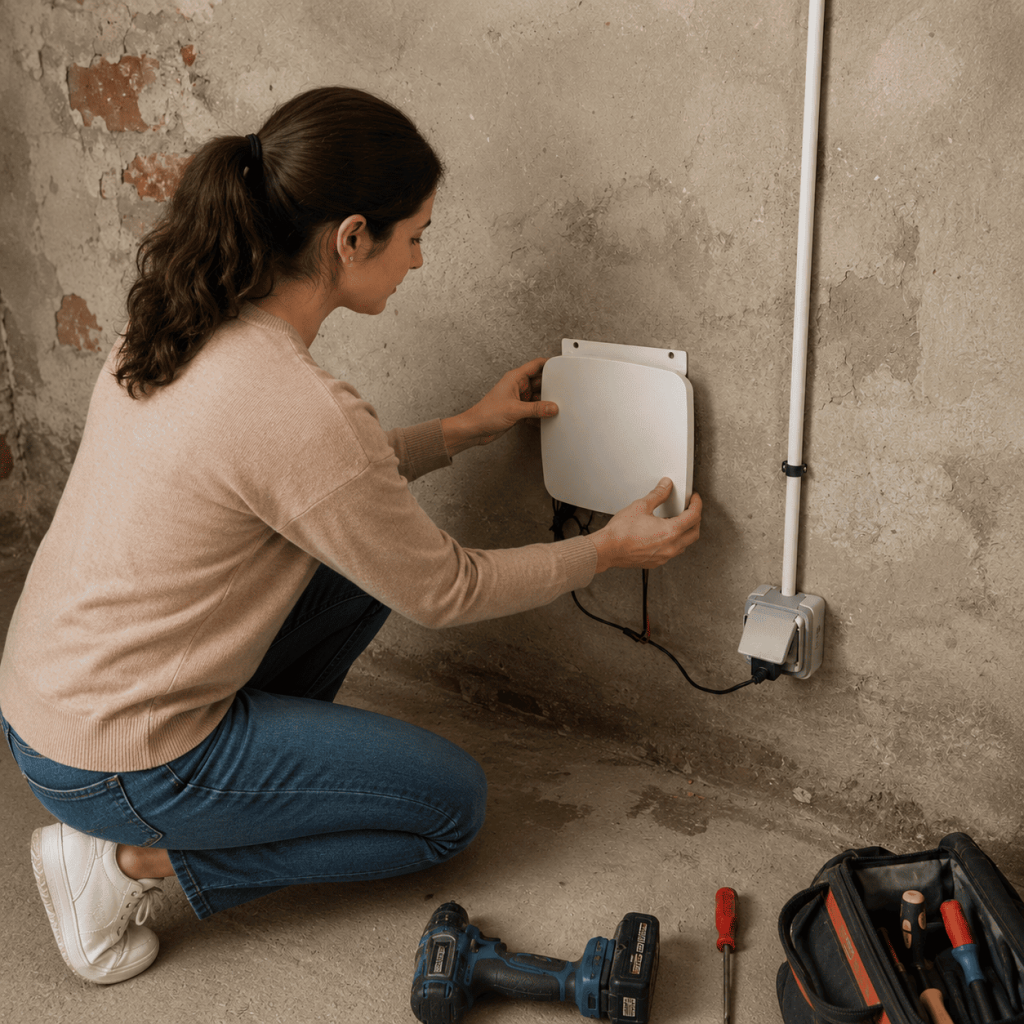
Why a Wall Becomes Damp at the Bottom
A damp wall at the bottom is a sign that should not be ignored. It is often noticed when paint bubbles, plaster falls away or a dark mark appears near the floor.
The most common cause may be rising damp, but it is not the only one. Lateral infiltration, leaks, condensation or poor ventilation can create similar symptoms.
Causes to Distinguish
The height of the marks, their location, the presence of salts, the type of wall and the surrounding environment must be considered. A wall in contact with the ground does not behave like a dry internal wall.
A leak behind a wall or infiltration from a terrace requires a specific repair. A device intended for rising damp must never be presented as a solution for a water leak or direct water entry.
What to Avoid Before Renovation
Before repainting, the wall should not be sealed with waterproof products. This can block evaporation and force moisture to appear elsewhere.
Solutions to Consider
It is better to remove damaged coatings, allow the wall to breathe and check ventilation, air inlets, door gaps and possible infiltration points.
When moisture comes from the ground, a treatment dedicated to rising damp can support progressive drying. The right choice depends on the building configuration and the area to be covered.
The Role of Humidistop Devices
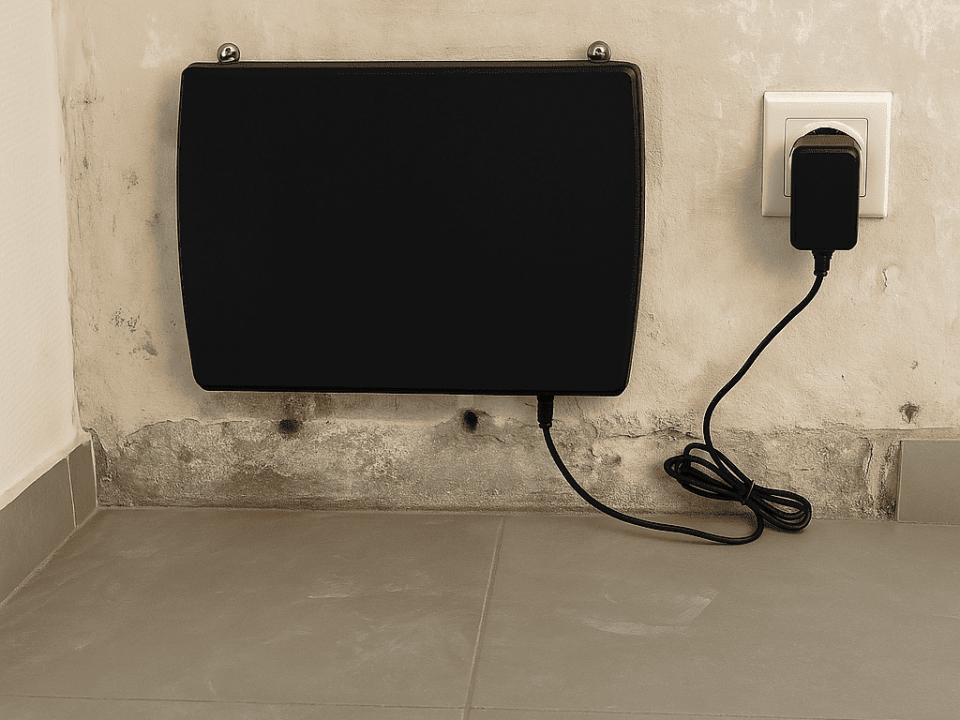
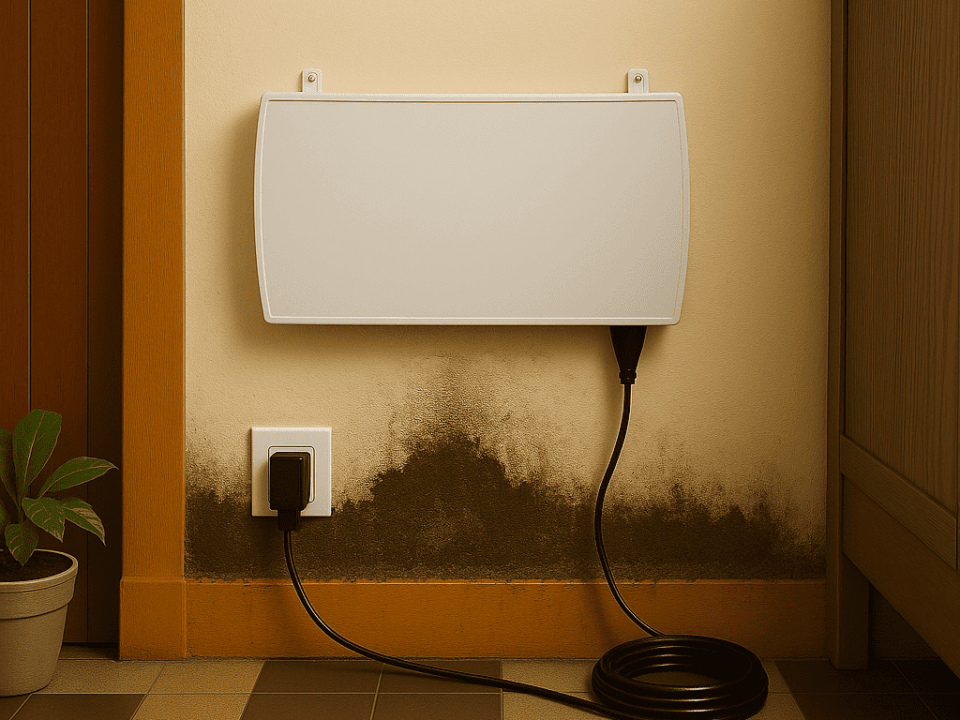
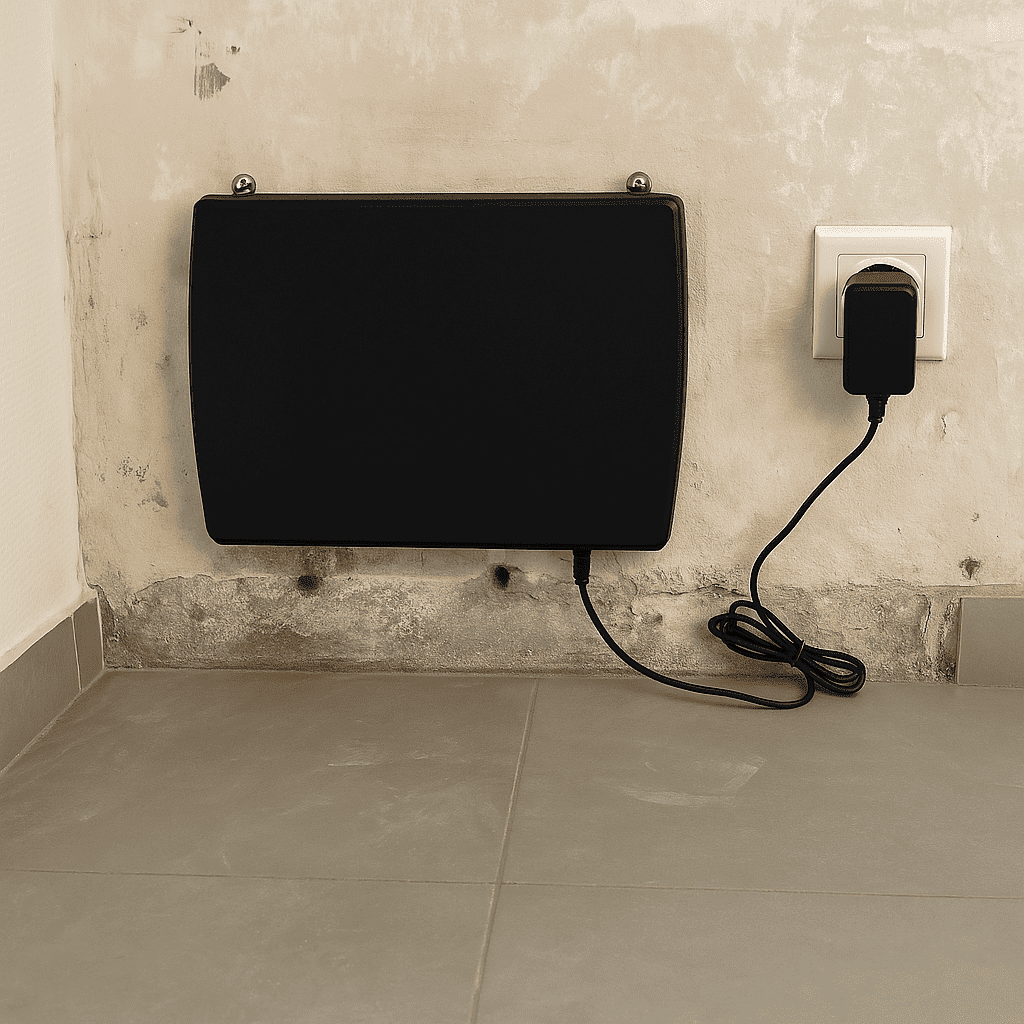
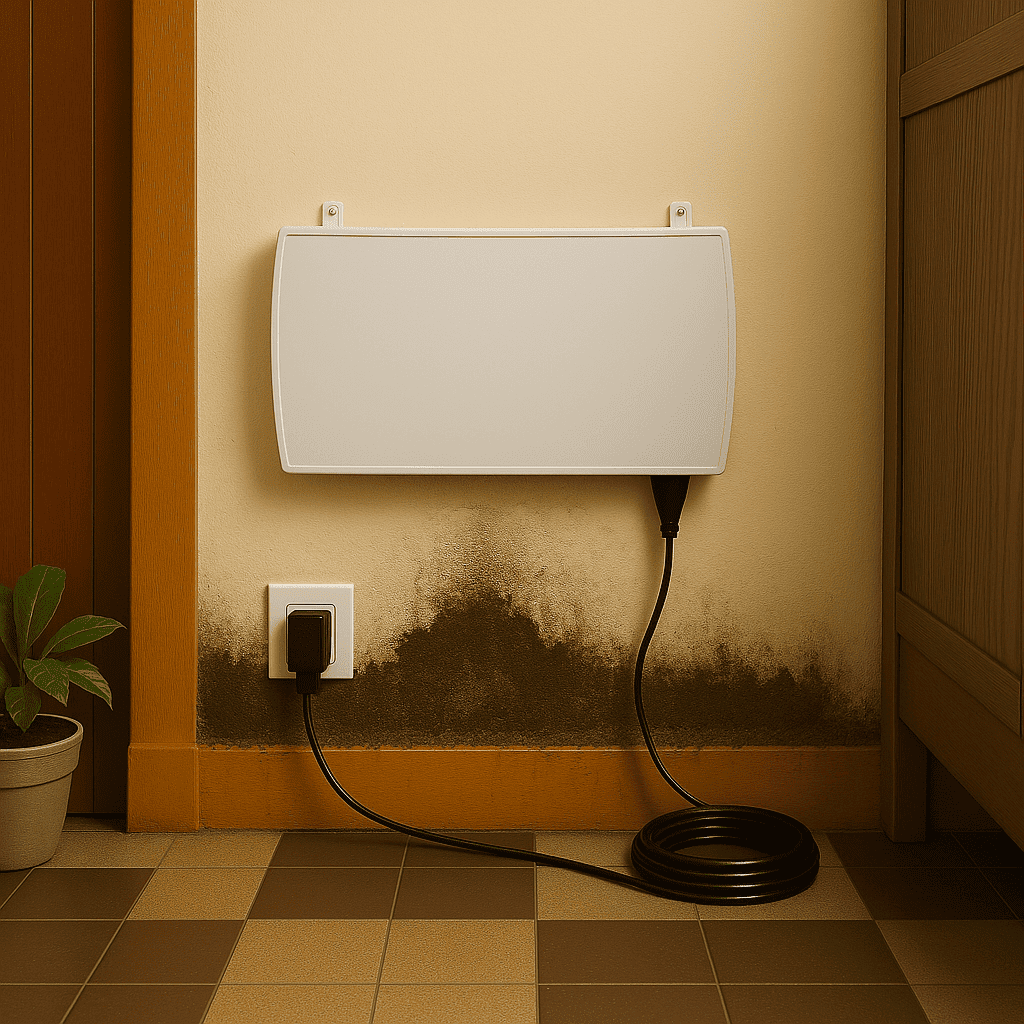
The ATE device is often the priority choice when an electrical socket is available. It must only be installed on a damp load-bearing wall, at the bottom. It must never be installed on partition walls, plasterboard or wall lining.
The ATG device can be considered if an ATE device connected to a power socket cannot be installed easily. In every case, the product must be chosen according to the real configuration.
Conclusion
A damp wall at the bottom requires a precise answer. Understanding the cause helps avoid unnecessary work, wrong expenses and damage returning after a few months.