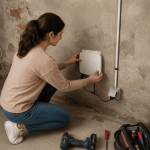
Damp Wall at the Bottom: Causes and Solutions
18/05/2026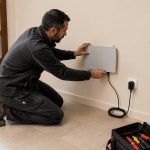
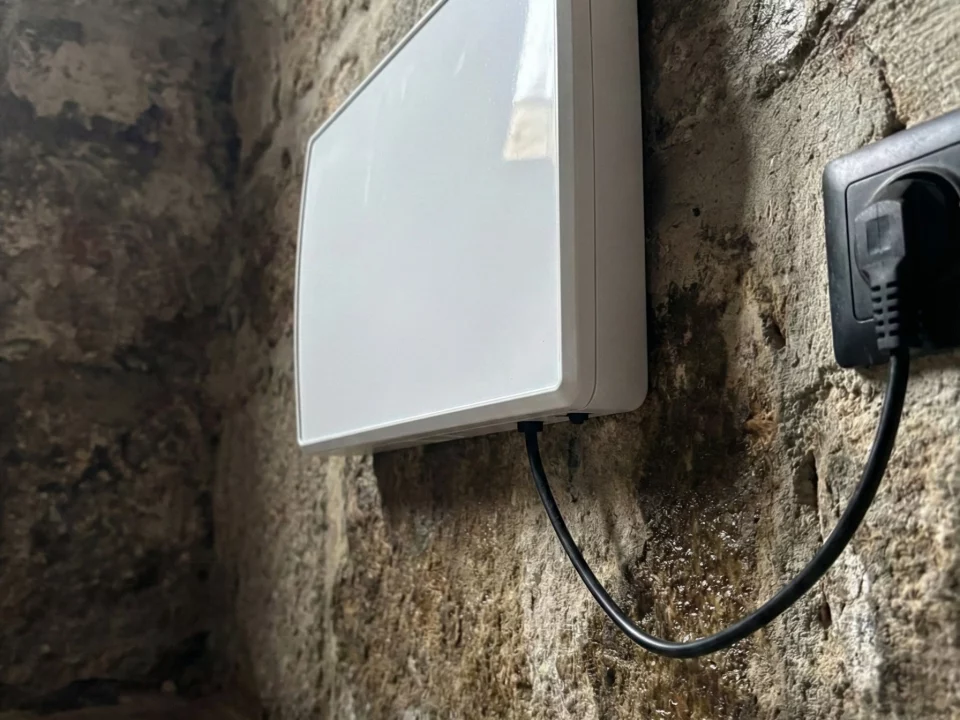
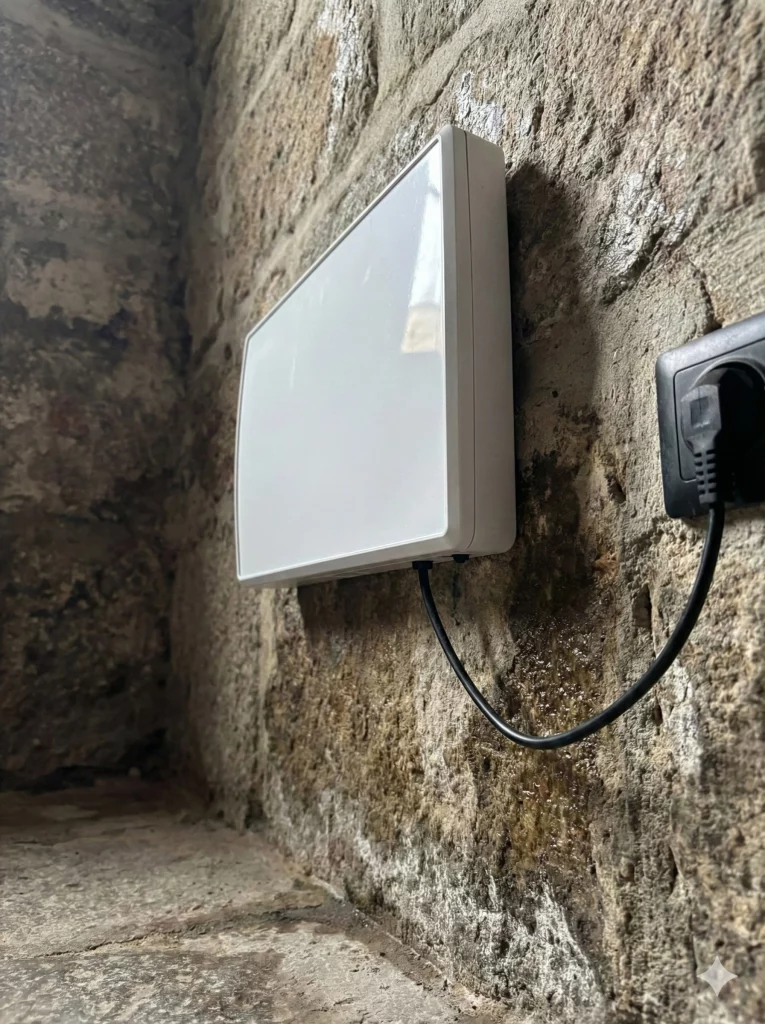
ATE: electromagnetic anti-damp device for damp walls and rising damp
28/05/2026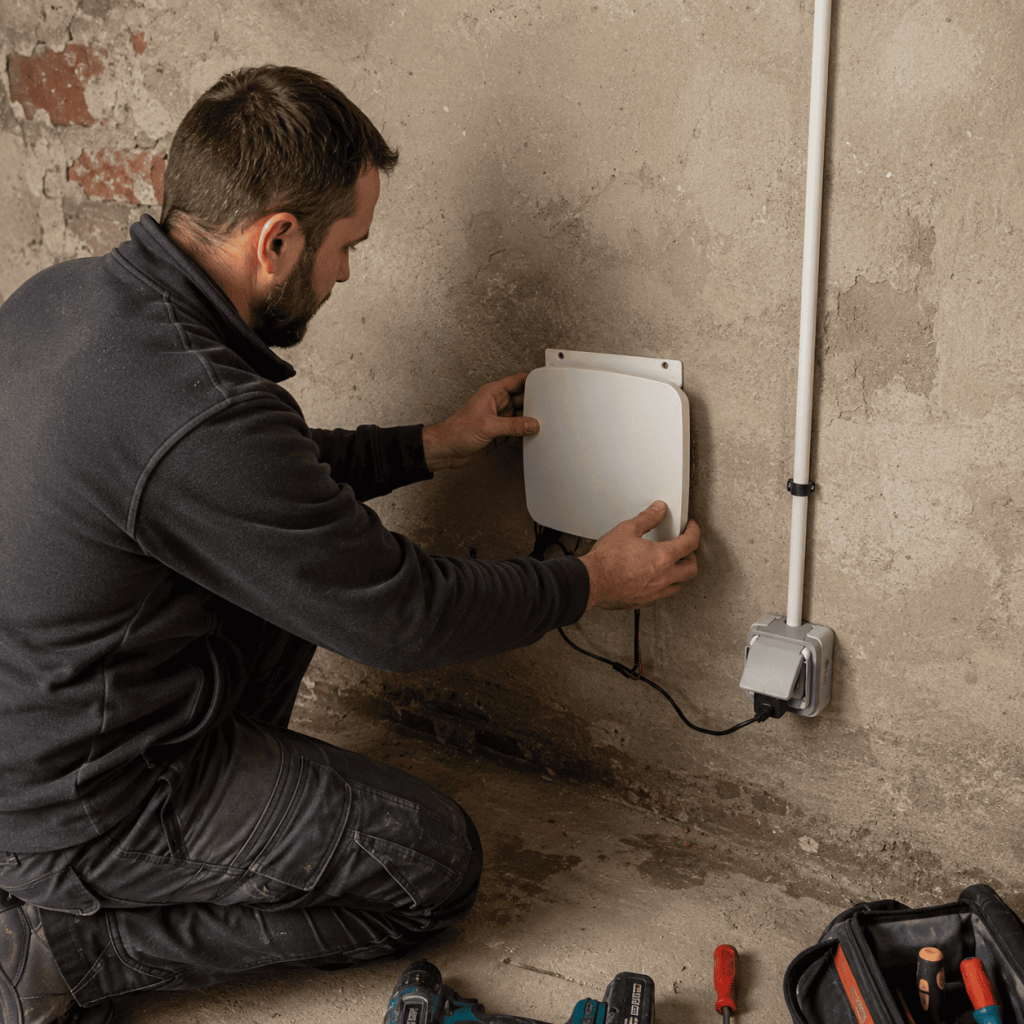
How to Identify Rising Damp
Rising damp is one of the most common moisture problems in buildings with porous walls or without an effective barrier against ground moisture. It often appears at the bottom of walls and can gradually damage plaster, paint, skirting boards and indoor comfort.
Identifying the phenomenon correctly is essential. A damp wall does not always have the same cause. It may be rising damp, lateral water infiltration, a leak or condensation. The solution must always match the real origin of the problem.
Why Moisture Rises Through Walls
Water present in the ground can rise through the capillaries of building materials. This happens especially in old walls, stone walls, ground floors, cellars and buildings without an effective damp-proof course.
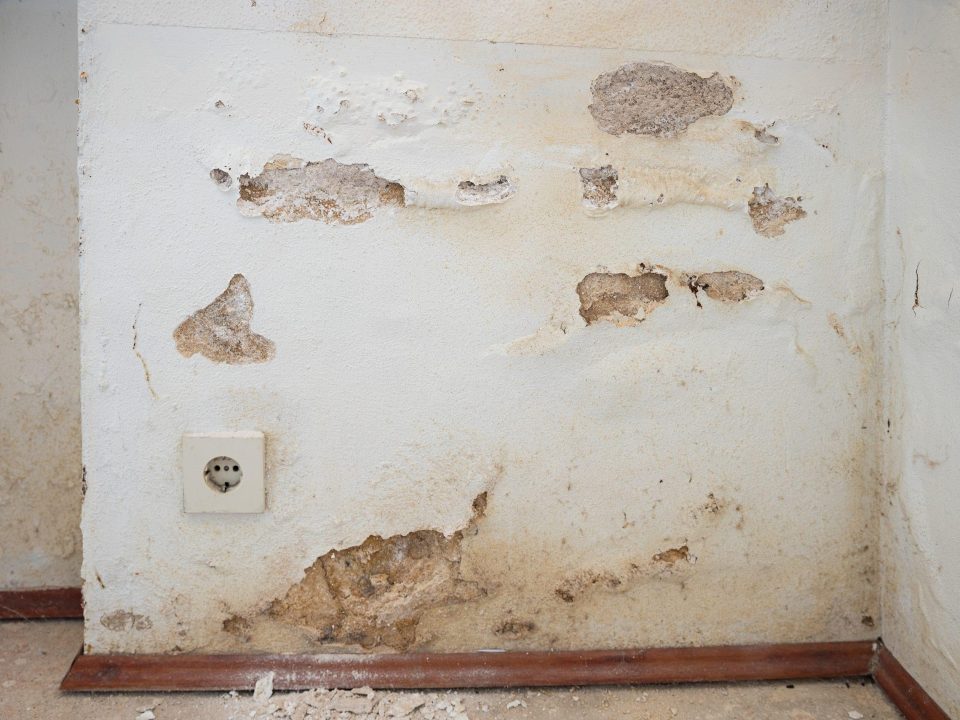
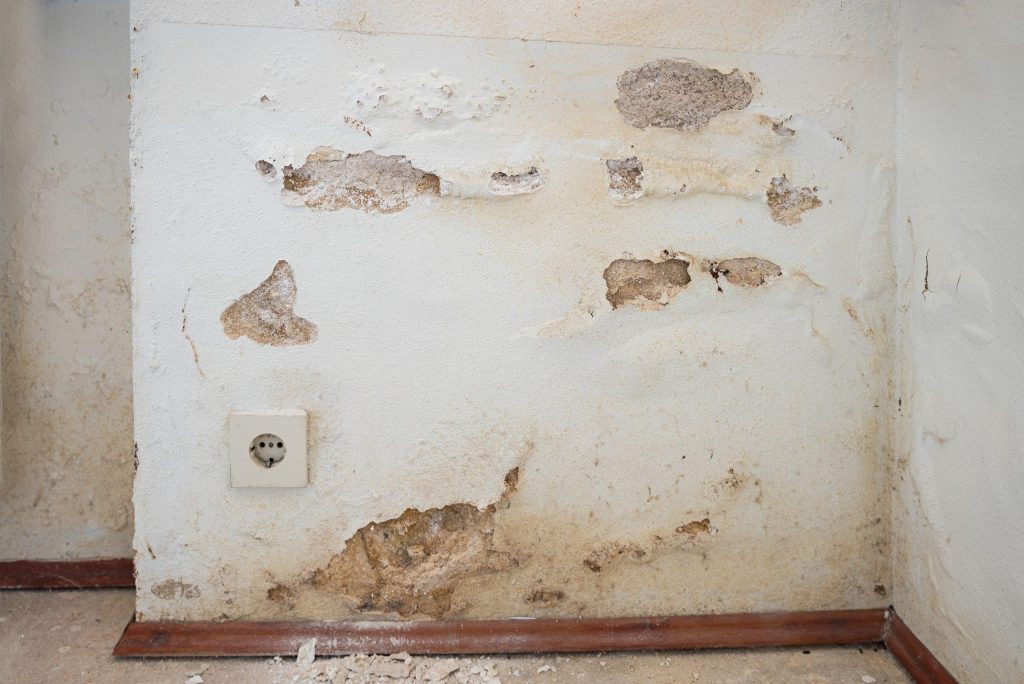
When water evaporates at the surface, it often leaves mineral salts, stains, blistering and friable areas. These symptoms help guide the analysis, but they must be interpreted within the overall context of the property.
Signs You Should Not Ignore
The most common signs are damp marks at the bottom of the wall, crumbling plaster, peeling paint, salt deposits, damp smells and a cold feeling near the wall. These signs should not be hidden with a simple coat of paint.
Waterproof paint or sealed covering can block evaporation and make the situation worse. Before renovating a wall, it is important to understand why it is damp and whether the moisture is really coming from the ground.
Possible Solutions
Solutions may include improved ventilation, repairing water infiltration, drainage, removal of blocking coatings, resin injection or devices designed for capillary rising damp. No solution should be chosen without correctly identifying the cause.
Humidistop ATE and ATG devices are designed to support the gradual drying of walls affected by rising damp. They are not designed to treat active infiltration, water leaks, flooding or condensation-only problems.
When to Choose an ATE or ATG Device
When an electrical socket is available and installation is possible, the ATE device is generally recommended first. The ATE device must only be installed on a damp load-bearing wall, at the bottom of the wall. It must never be installed on a partition wall, on plasterboard or on wall lining.
The ATG device can be chosen when the building configuration does not easily allow the installation of an ATE device connected to a power socket. It is a geostatic solution without electricity, useful in specific situations.
Conclusion
Treating rising damp requires method, patience and a suitable solution. The aim is not to hide symptoms, but to support progressive wall drying and reduce the return of visible damage.