MEDIA · 2025
Forbes interview: meet a French company
William Coignard introduces the company and its background.
Watch on YouTube ↗Rising damp, condensation and water ingress: explore our guides to identify the source of damp and choose a solution suited to your building.
HUMIDISTOP ON VIDEO
Meet the company through its interviews and explore the ATE and ATG installation guides.
MEDIA · 2025
William Coignard introduces the company and its background.
Watch on YouTube ↗MEDIA · 2025
A discussion about French manufacturing and the development of Humidistop.
Watch on YouTube ↗MEDIA · 2025
An interview about damp walls and capillary rising damp.
Watch on YouTube ↗EXPERT EXPLANATION · 2024
A short explanation of the principle presented for walls affected by rising damp.
Watch on YouTube ↗INSTALLATION GUIDE · 2026
Installation guidance to read alongside the manual for your model.
Watch on YouTube ↗INSTALLATION GUIDE · 2026
The ATG installation steps; always check your model’s manual.
Watch on YouTube ↗Three questions to help you find your way, then articles to understand and choose.
Question 1 of 3
Your initial guidance
These three signs guide your investigation; they do not confirm a diagnosis on their own.
References, media, technical explanations, comparisons and installation examples: explore the articles below.
Selected guides on this subject · 20 articles
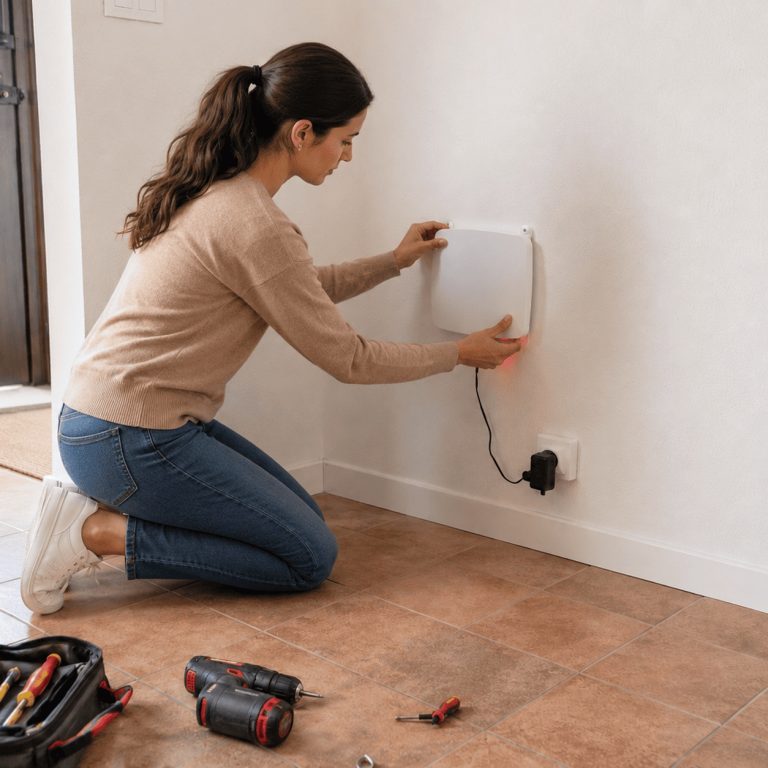
Looking for a device to address rising damp? Start with the source of the moisture, the layout of the affected walls and the installation conditions. Humidistop offers ATE and ATG devices. You can install your model yourself in…
Read the article →Once rising damp has been confirmed, one practical question remains: which damp proofing device should you choose? Between the ATE and ATG technologies and the various models, it is easy to get it wrong. Here is a simple…
Read the article →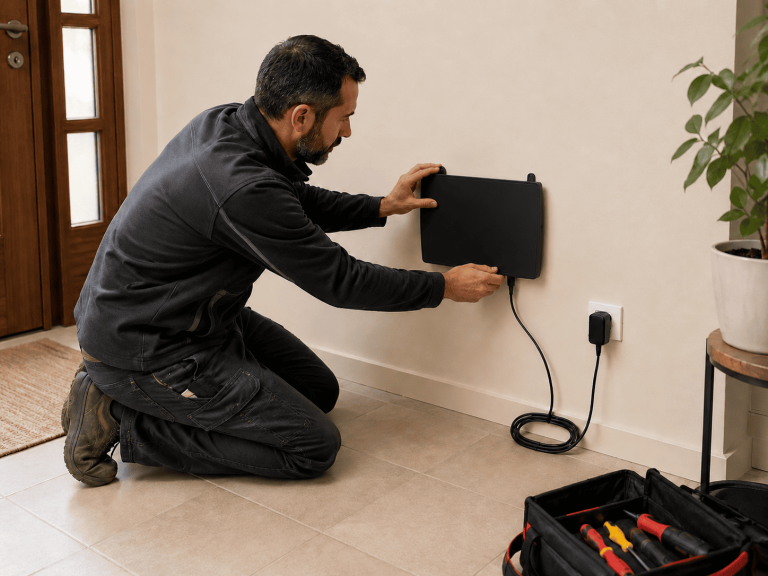
To choose between ATE and ATG, first check the cause of damp, then the available power supply, coverage and installation requirements. Marks at the base of a wall are clues to investigate, not automatic confirmation of rising damp.…
Read the article →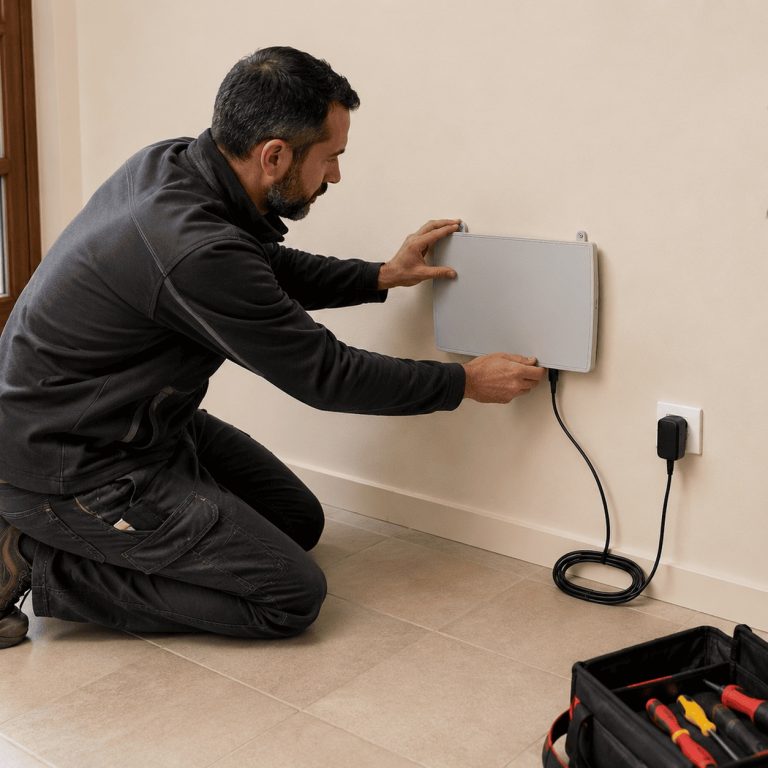
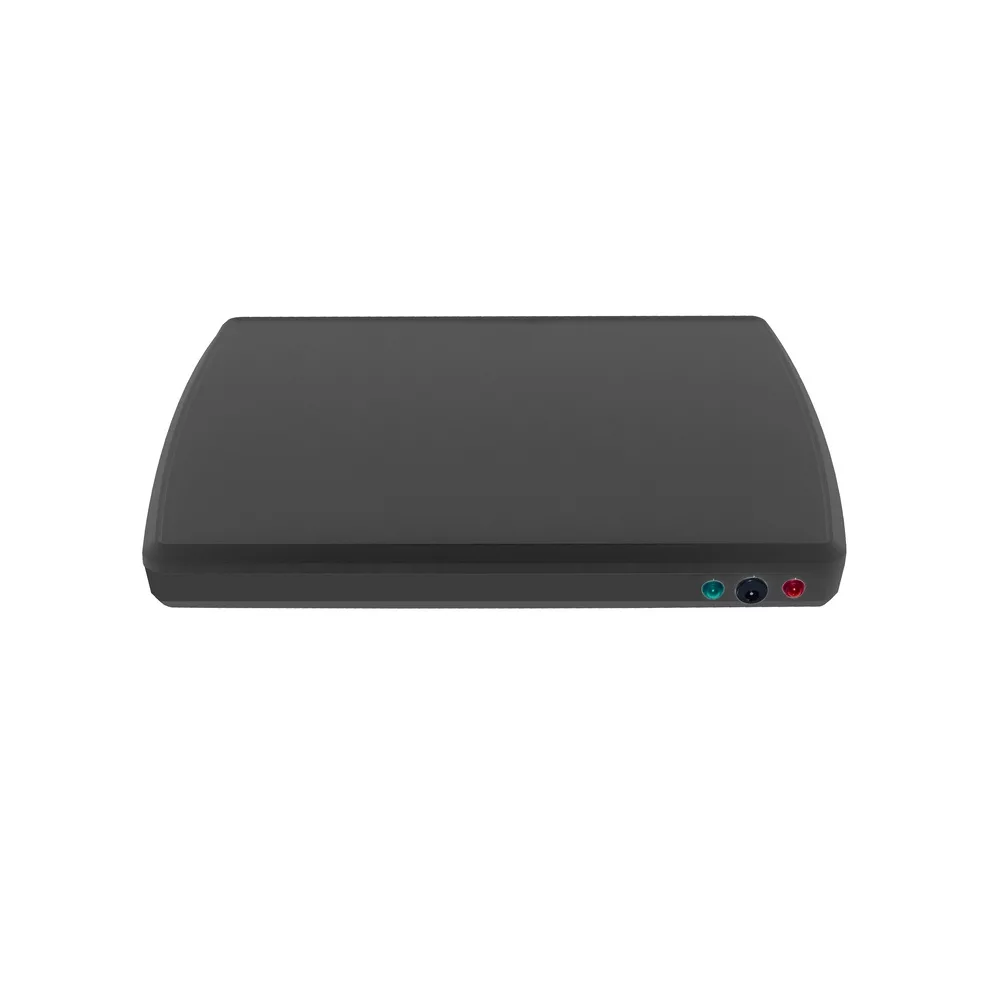
ATE is Humidistop’s mains-powered electromagnetic range for walls affected by rising damp. Before choosing a model, establish where the moisture comes from, check the proposed mounting point and measure the distances on the floor plan. A damp patch…
Read the article →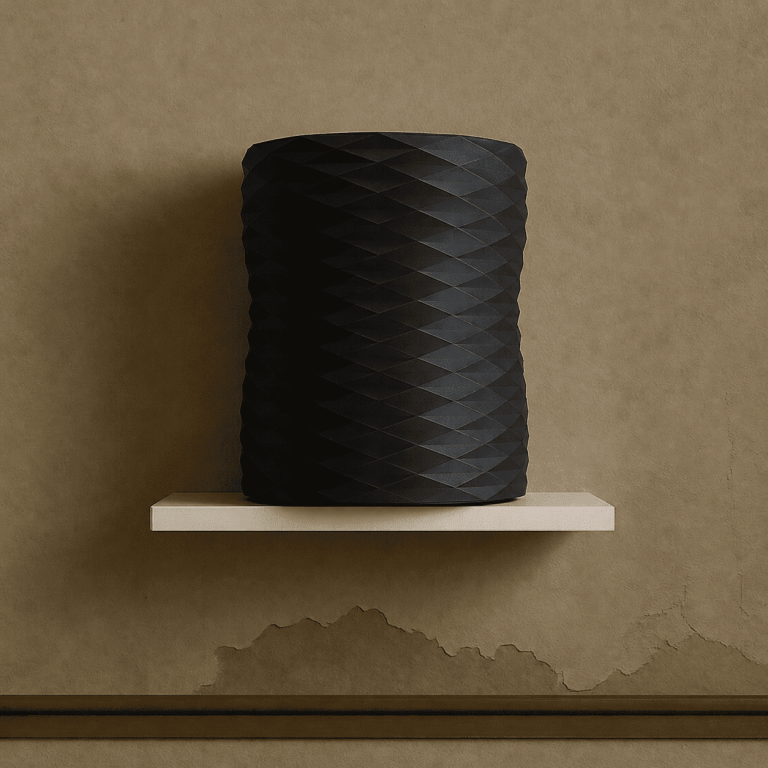
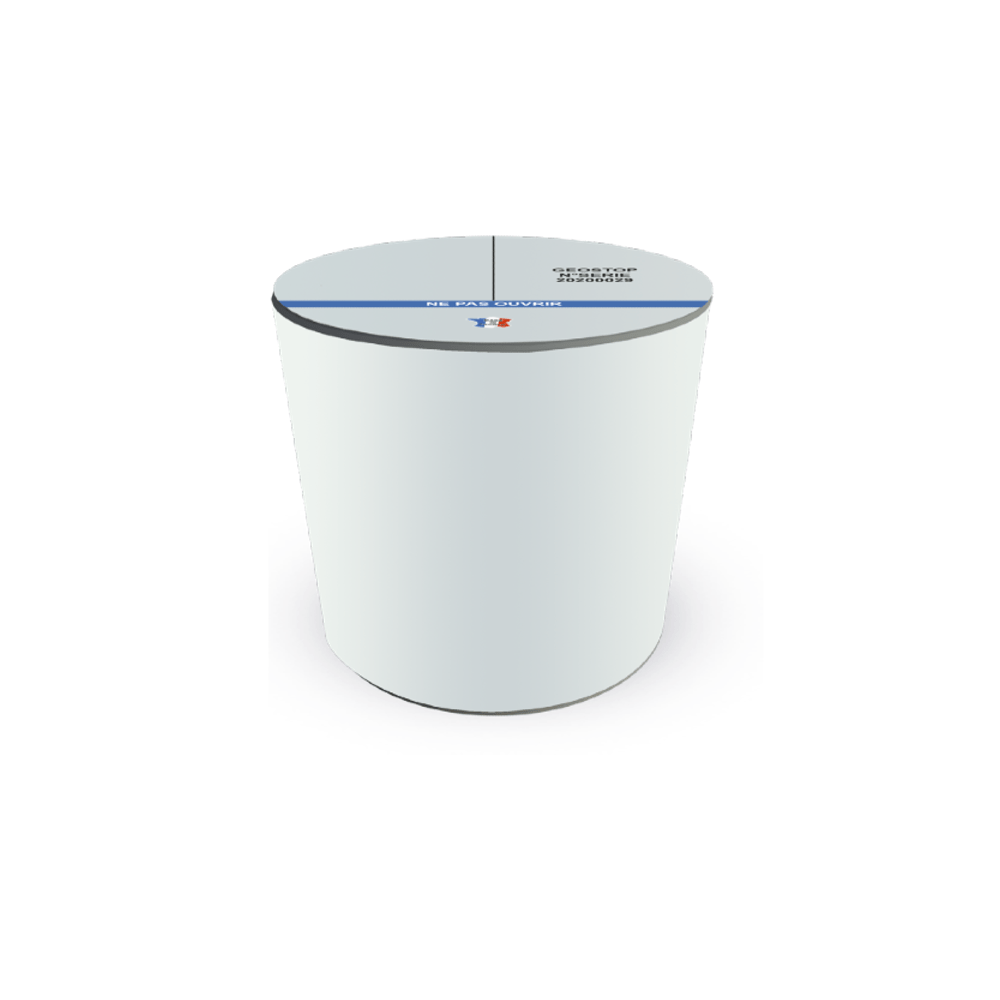
ATG is Humidistop’s standalone geomagnetic range for capillary rising damp, without a mains supply or battery. It can be considered where permanent power for an ATE is unavailable. First check the moisture source, coverage and the exact ATG…
Read the article →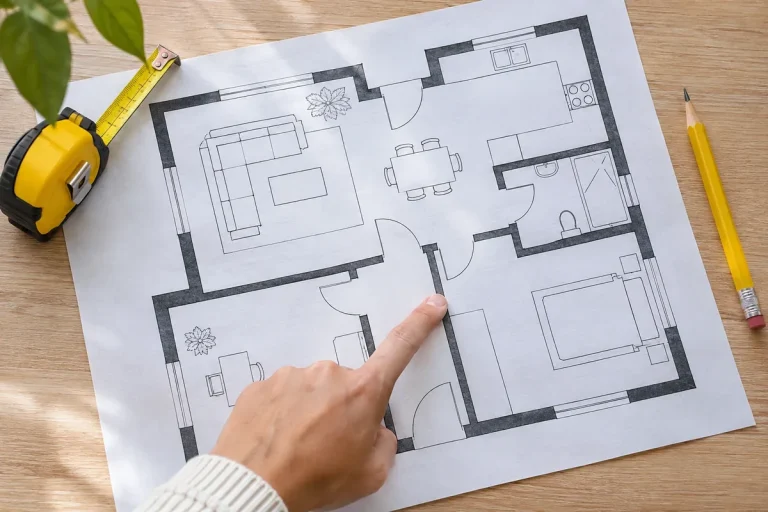
Coverage diameter is an important comparison point for Humidistop devices. It is not a floor area in square metres. A simple plan of the affected level is therefore a better starting point than the number of rooms or…
Read the article →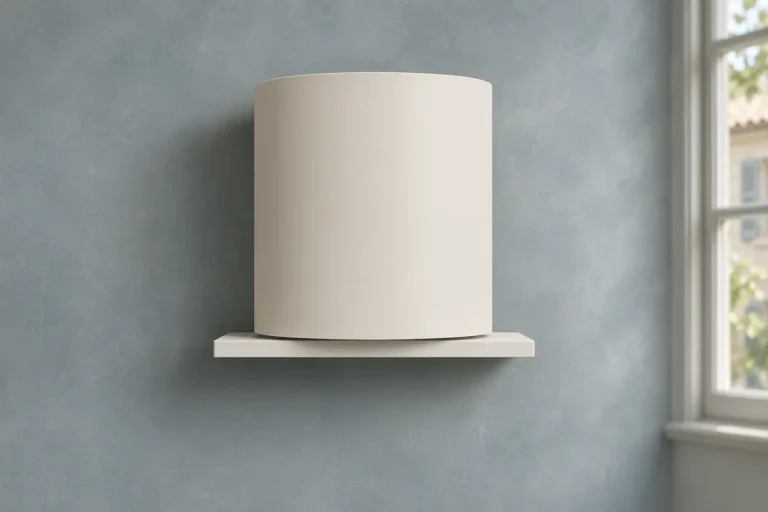
ATG devices operate without an electrical connection. This is a practical characteristic to consider, but it is not enough on its own to establish whether a device suits your property. Start with the cause of damp and the…
Read the article →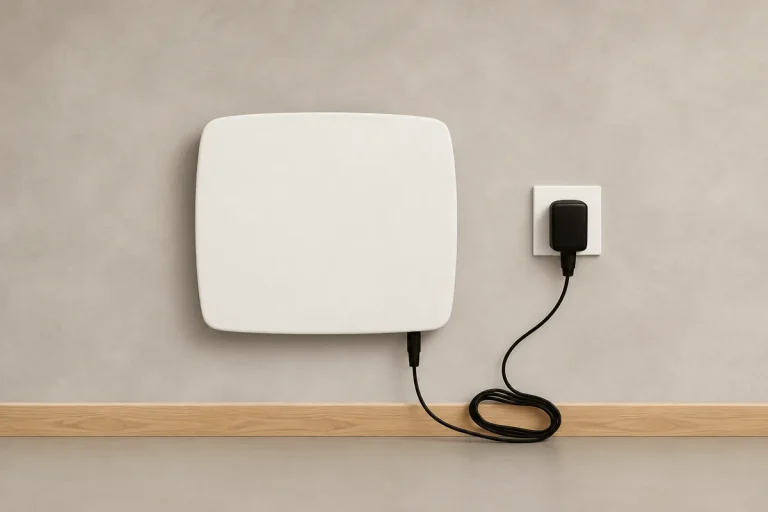
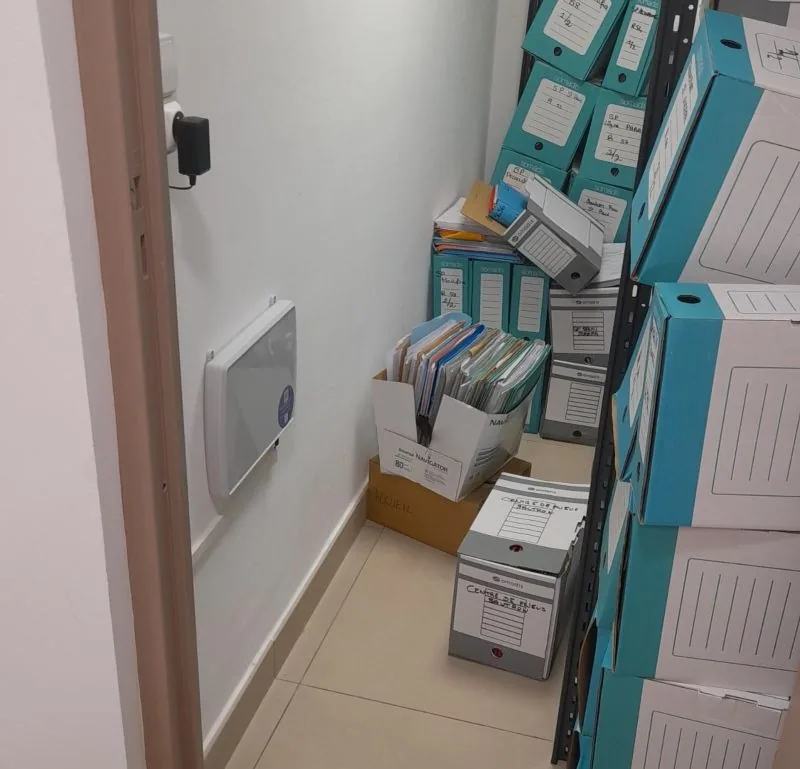
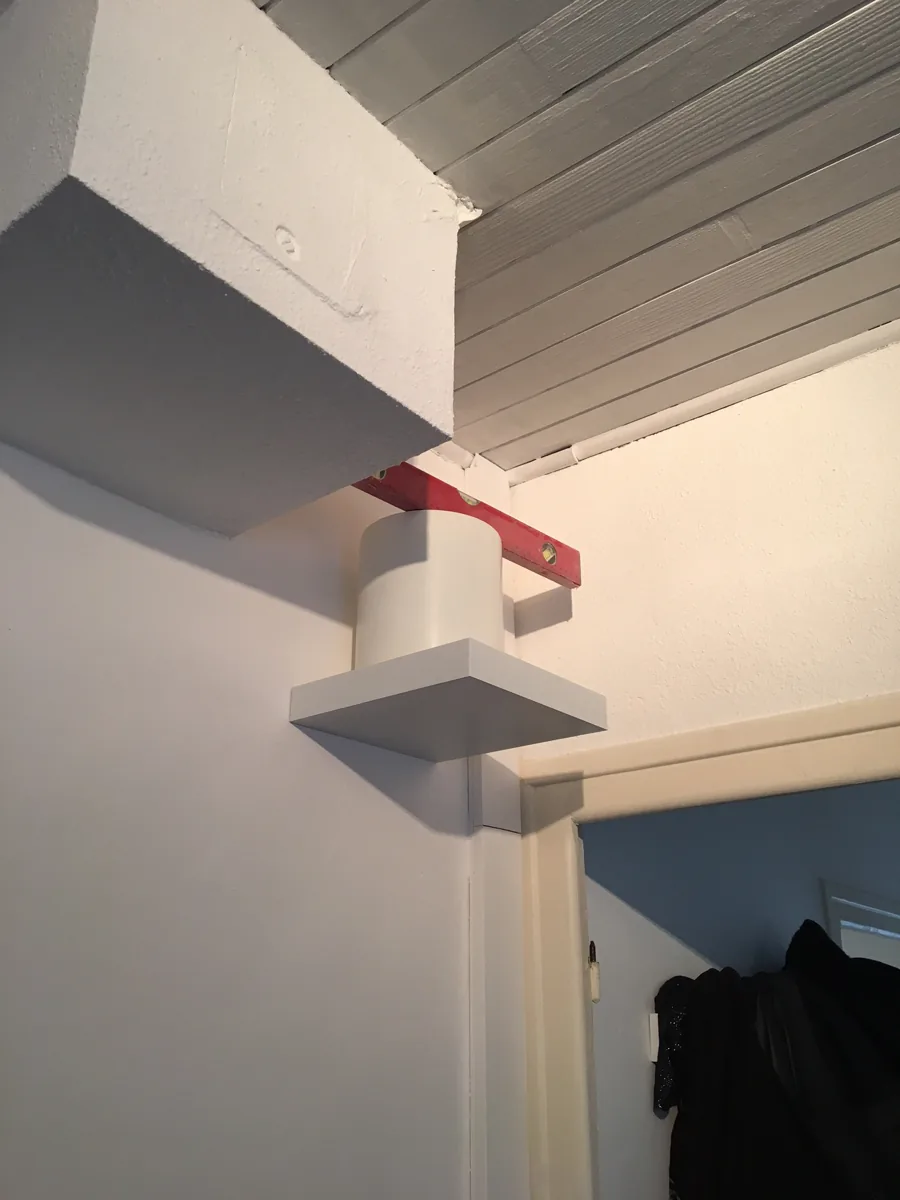
Once you have checked that ATE PULSE is appropriate for your building, a little preparation can make installation easier. Follow the instructions for the exact model ordered rather than selecting a position from a product photograph or an…
Read the article →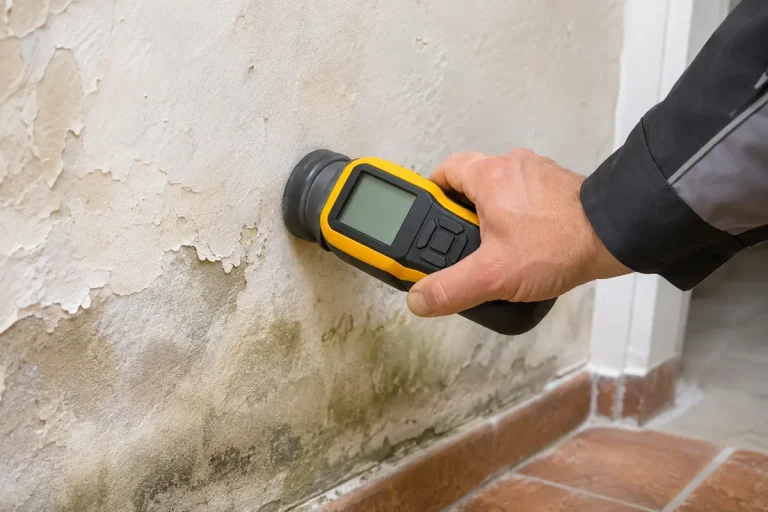
Electromagnetic wall-drying equipment is offered for capillary rising damp. It does not repair a leaking pipe, make a façade watertight or replace ventilation. Before comparing devices, identify the water source and check the exact model’s installation requirements.What the…
Read the article →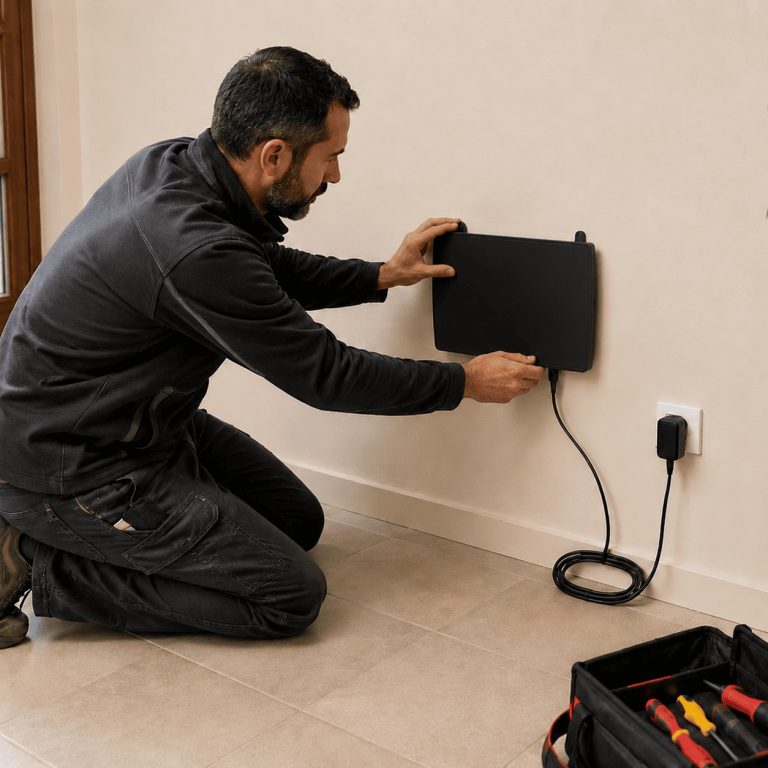
An electromagnetic damp-proofing device is intended for rising damp; it cannot repair a leak, stop rain entering a building or replace ventilation. Whether it is suitable for your wall depends first on the cause of the moisture. A…
Read the article →