MEDIA · 2025
Forbes interview: meet a French company
William Coignard introduces the company and its background.
Watch on YouTube ↗Rising damp, condensation and water ingress: explore our guides to identify the source of damp and choose a solution suited to your building.
HUMIDISTOP ON VIDEO
Meet the company through its interviews and explore the ATE and ATG installation guides.
MEDIA · 2025
William Coignard introduces the company and its background.
Watch on YouTube ↗MEDIA · 2025
A discussion about French manufacturing and the development of Humidistop.
Watch on YouTube ↗MEDIA · 2025
An interview about damp walls and capillary rising damp.
Watch on YouTube ↗EXPERT EXPLANATION · 2024
A short explanation of the principle presented for walls affected by rising damp.
Watch on YouTube ↗INSTALLATION GUIDE · 2026
Installation guidance to read alongside the manual for your model.
Watch on YouTube ↗INSTALLATION GUIDE · 2026
The ATG installation steps; always check your model’s manual.
Watch on YouTube ↗Three questions to help you find your way, then articles to understand and choose.
Question 1 of 3
Your initial guidance
These three signs guide your investigation; they do not confirm a diagnosis on their own.
References, media, technical explanations, comparisons and installation examples: explore the articles below.
Selected guides on this subject · 15 articles
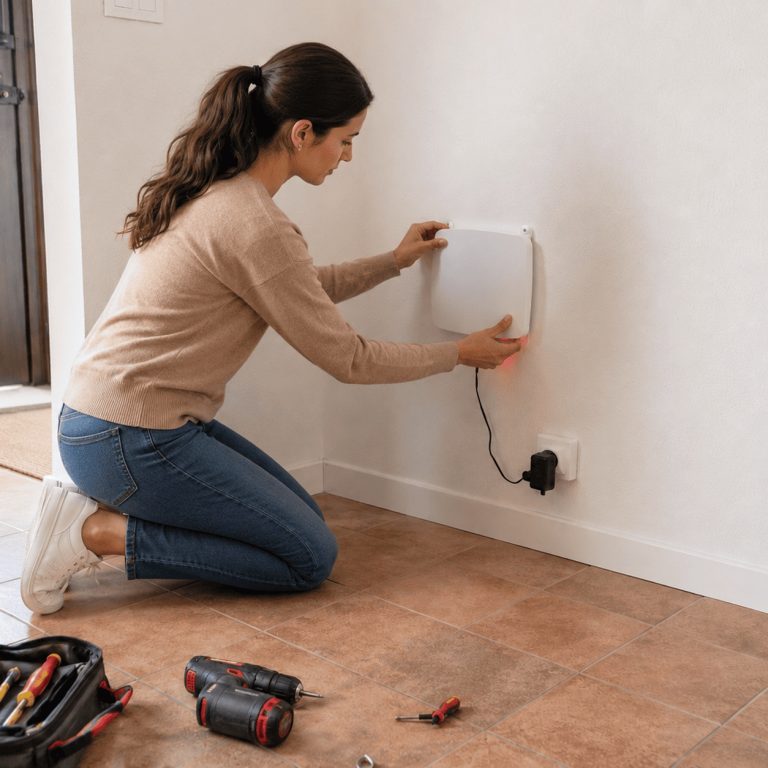
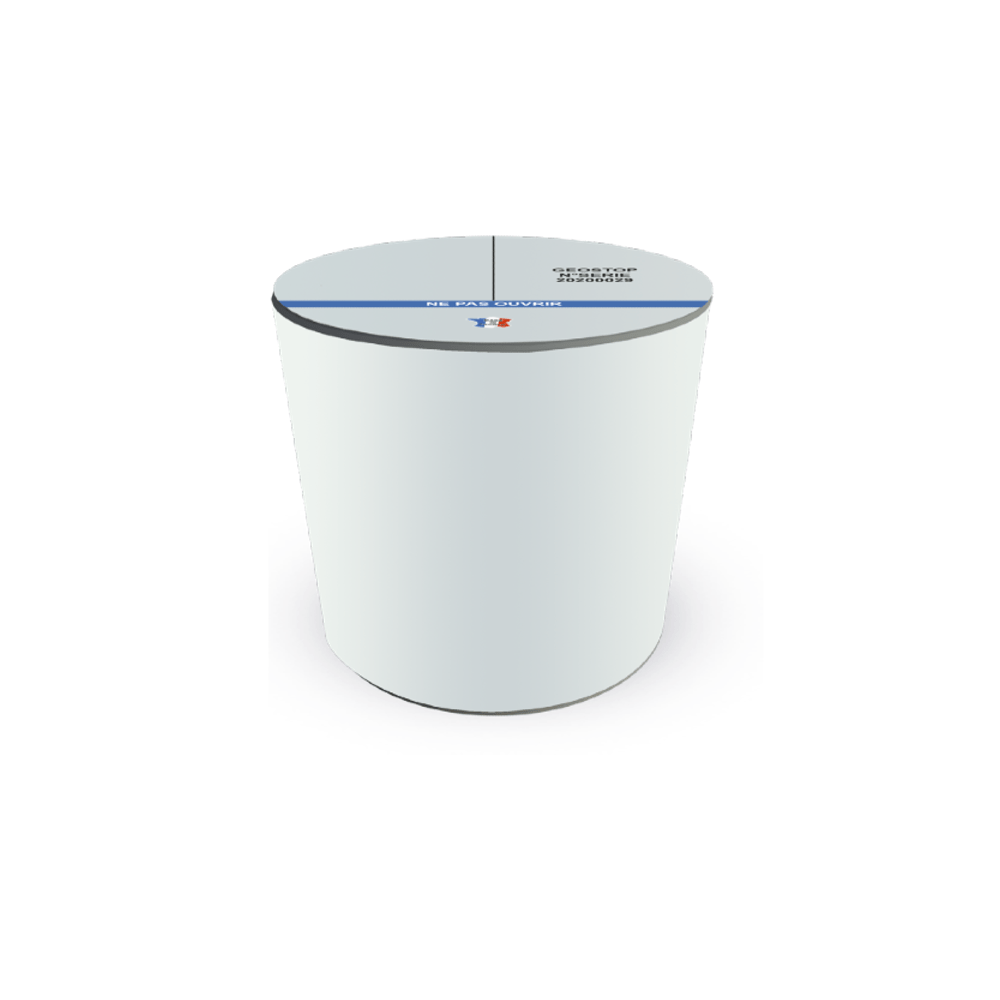
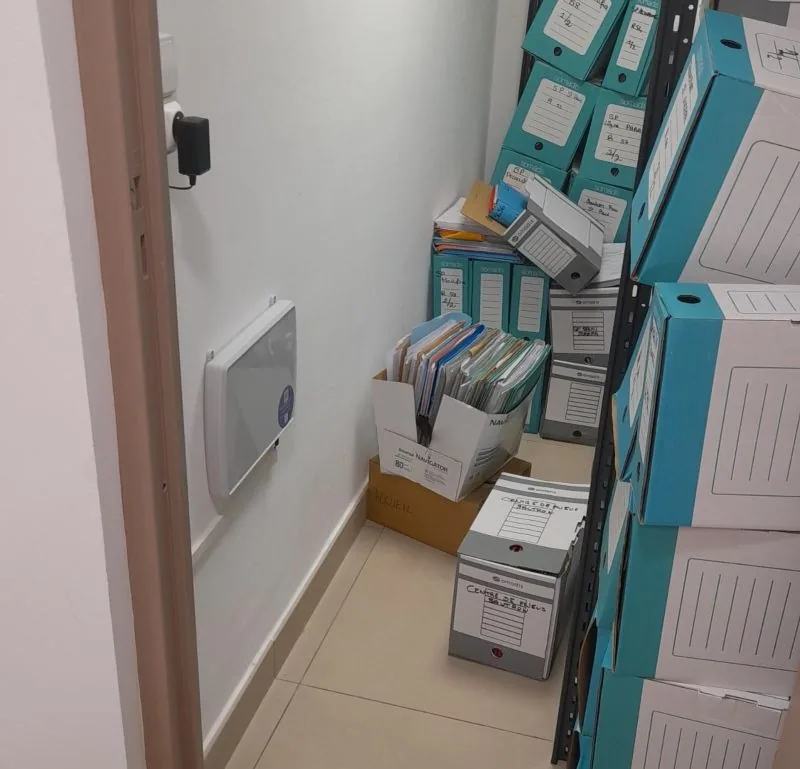
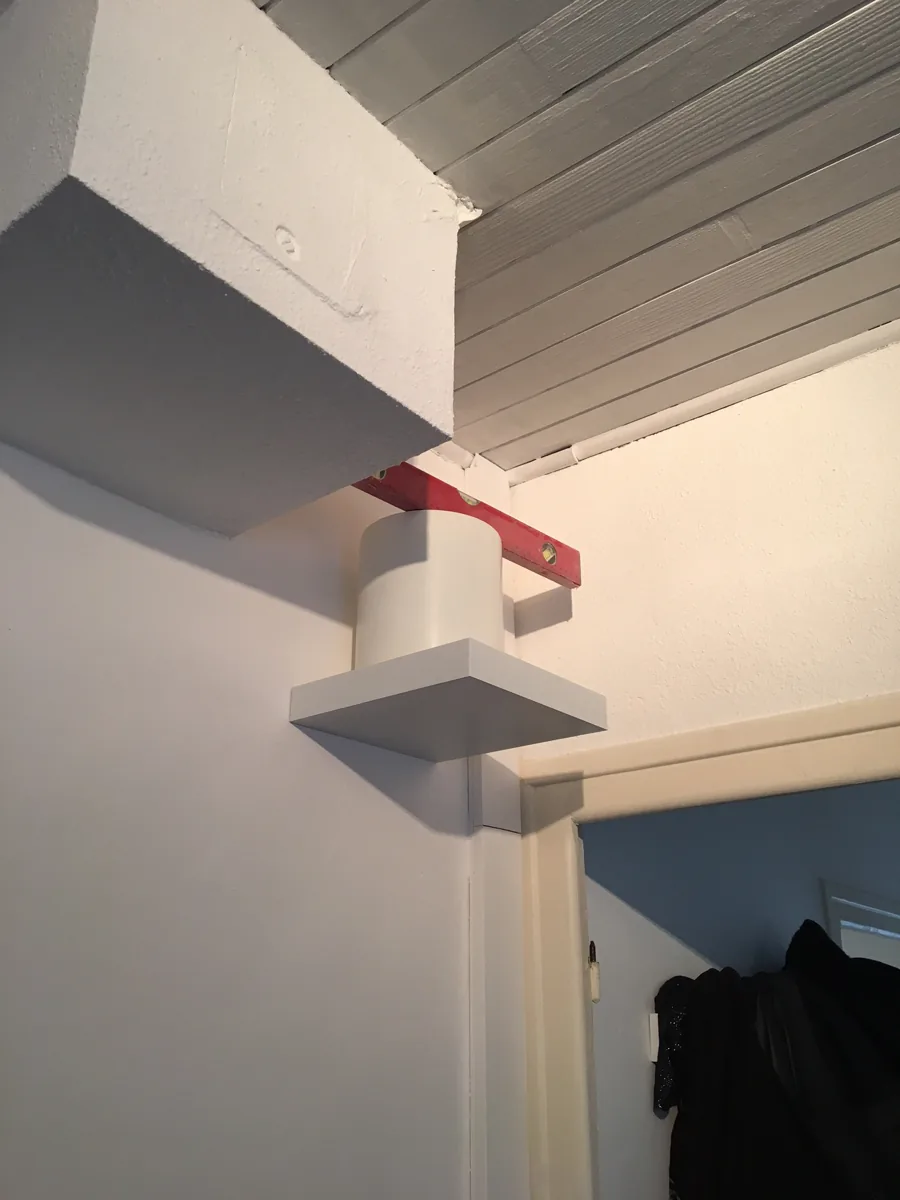
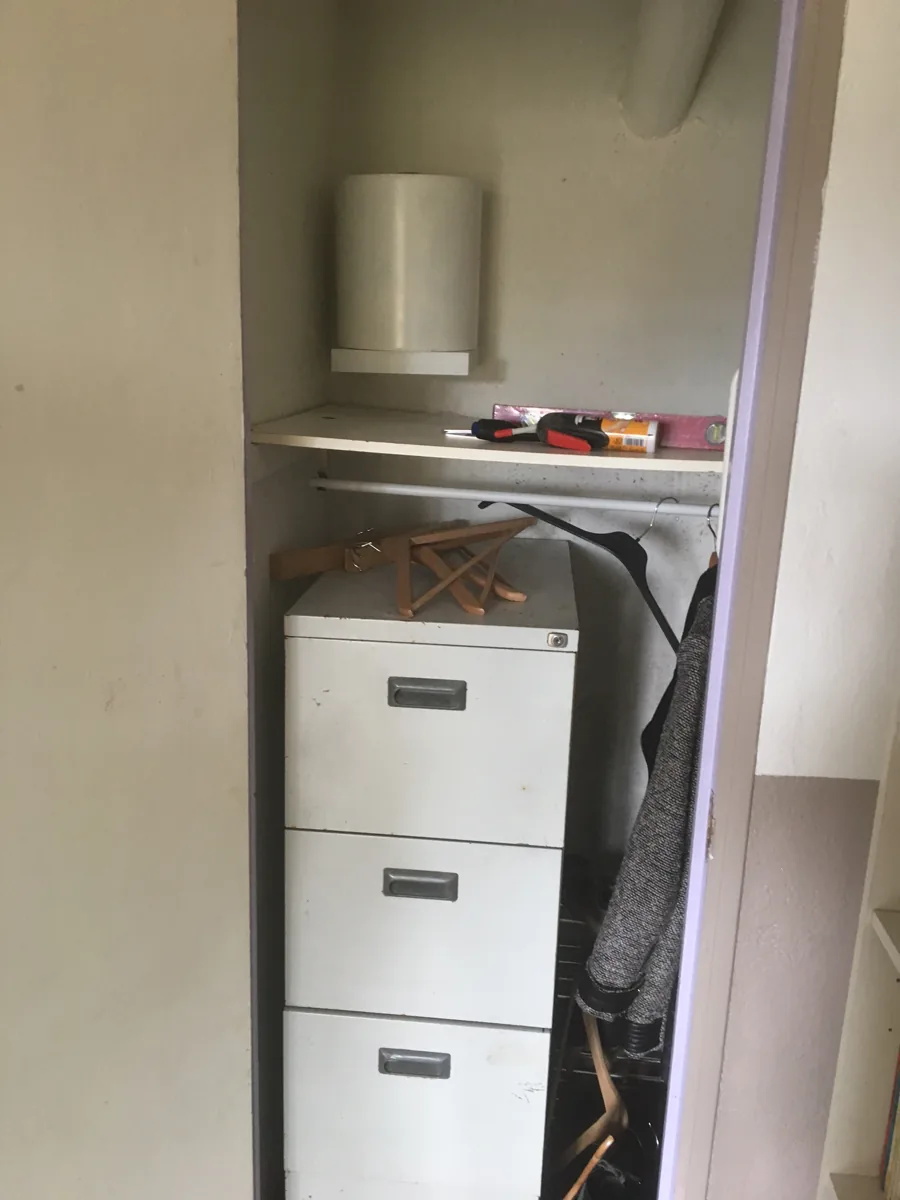
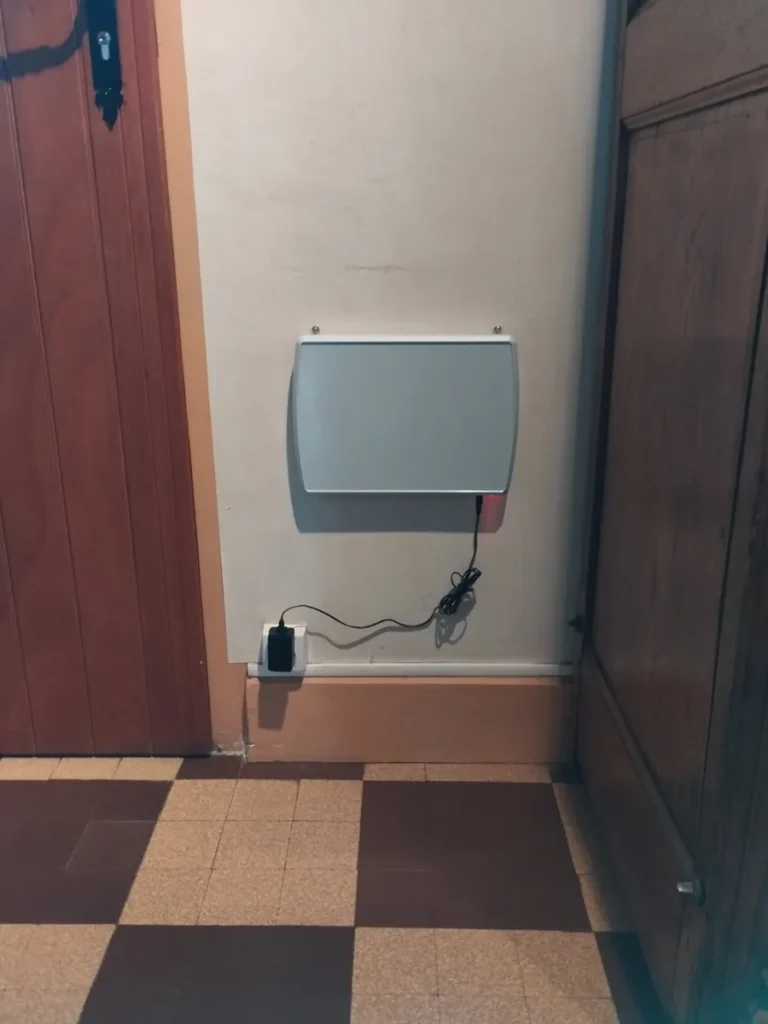
Looking for a device to address rising damp? Start with the source of the moisture, the layout of the affected walls and the installation conditions. Humidistop offers ATE and ATG devices. You can install your model yourself in…
Read the article →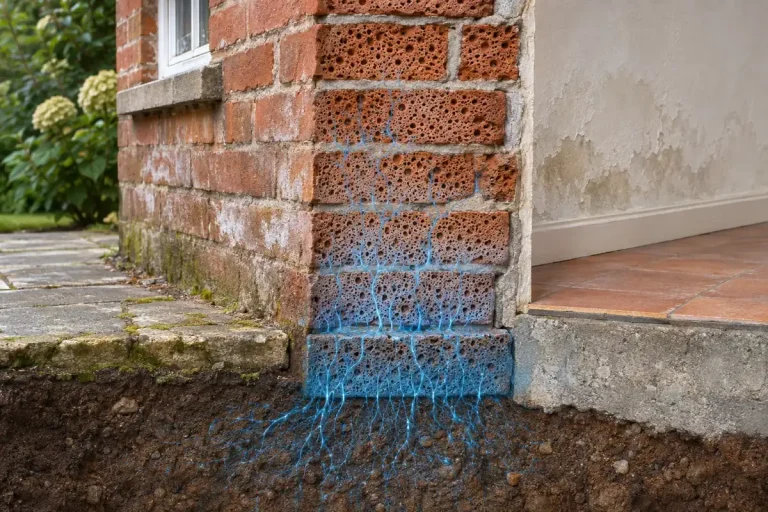
How to Identify Rising Damp Rising damp is one of the most common moisture problems in buildings with porous walls or without an effective barrier against ground moisture. It often appears at the bottom of walls and can…
Read the article →A stain near the floor does not identify the cause on its own. Rising damp describes water moving through porous materials in contact with damp ground.Before choosing equipment, prepare a plan and dated photographs. Humidistop provides product pages…
Read the article →Rising damp is water moving from the ground through porous masonry. Low staining and salts can suggest this mechanism, but cannot confirm it on their own. Investigate leaks, rain entry, external ground levels and condensation before choosing a…
Read the article →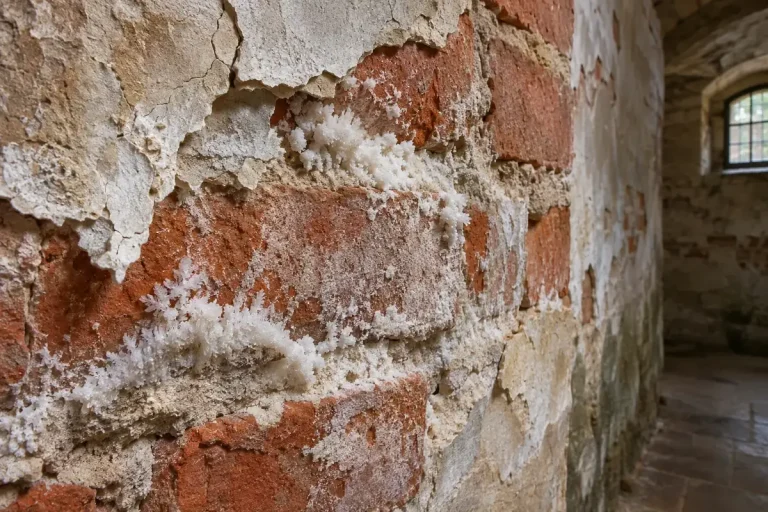
Visible salts deserve investigation. Removing them does not by itself stop incoming water, and a white appearance does not always identify their composition.Before choosing equipment, prepare a plan and dated photographs. Humidistop provides product pages and instructions so…
Read the article →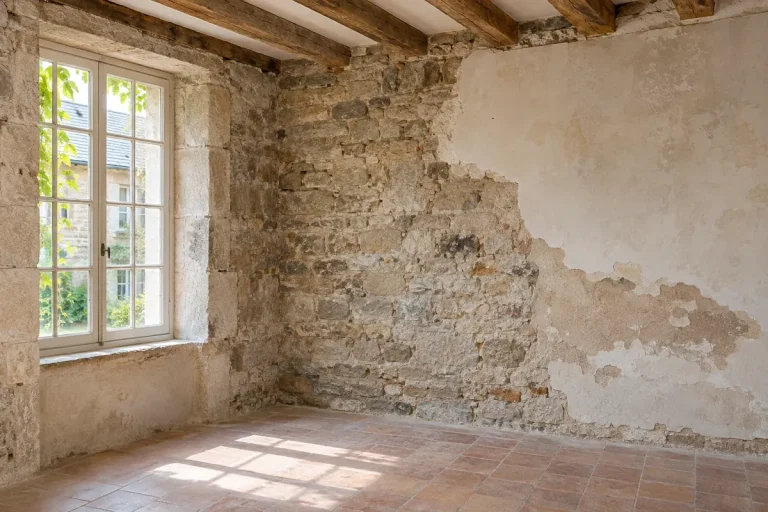
Marks can appear or move after renovation. Compare the building before and after the work rather than assuming a single explanation for every change.Before choosing equipment, prepare a plan and dated photographs. Humidistop provides product pages and instructions…
Read the article →Why a Wall Becomes Damp at the Bottom A damp wall at the bottom is a sign that should not be ignored. It is often noticed when paint bubbles, plaster falls away or a dark mark appears near…
Read the article →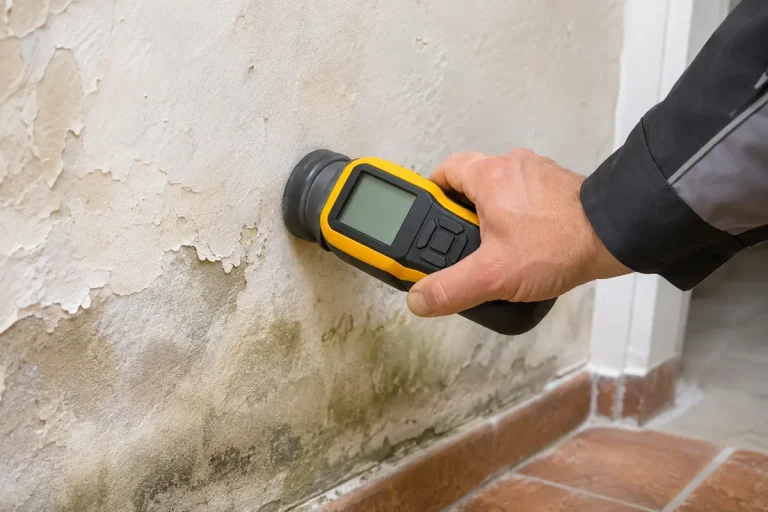
Electromagnetic wall-drying equipment is offered for capillary rising damp. It does not repair a leaking pipe, make a façade watertight or replace ventilation. Before comparing devices, identify the water source and check the exact model’s installation requirements.What the…
Read the article →Two damp treatment quotations may cover different jobs. Before comparing the price, ask which mechanism is being addressed and which parts of the building are included.Before choosing equipment, prepare a plan and dated photographs. Humidistop provides product pages…
Read the article →
The price of a device sold on its own is not the cost of a complete building intervention. Separating the items makes the offer easier to understand.Before choosing equipment, prepare a plan and dated photographs. Humidistop provides product…
Read the article →