
Ventilation System Maintenance: A Simple Guide
09/07/2026
Drying Laundry Indoors Without Damp: Simple Tips
09/07/2026You put your hand on a wall and it feels icy, sometimes with misting or little droplets forming: a cold wall is one of the main causes of condensation at home. When warm, damp air meets this surface, the water settles and stains appear. Here is how to understand and limit cold wall condensation.

Why a cold wall creates condensation
Indoor air always holds some water vapour. On contact with a cold wall, this vapour cools sharply and turns into droplets: this is condensation, the same thing as the misting on a cold glass. A poorly insulated wall, facing north or backing onto the outside, becomes a weak point where humidity gathers.
What to do about cold wall condensation
- Air out ten minutes morning and evening, even in winter, to clear the vapour;
- Move furniture away from the wall so air can move behind it;
- Do not block the mechanical ventilation or the vents, which renew the air;
- Cut the vapour: lids, extractor hood, short showers, laundry outside;
- Keep a steady temperature rather than bursts of heating.
These habits work together: none is enough on its own, but together they really change the comfort of a room. In the morning, get into the habit of wiping the misting off the windows and opening up for a few minutes, long enough to clear the air that built up overnight. In a bedroom, avoid drying laundry and covering the surface with thick hangings. The more freely air moves along the wall, the less chance the vapour has to settle and leave marks.
Insulate and let the wall breathe
Over the long term, improving the insulation of a cold wall strongly reduces condensation, because the surface stays closer to the room temperature. In the meantime, avoid pushing a heavy piece of furniture or a hanging against the area concerned: air needs to get through. A surface that breathes dries faster and stains far less.
Aiming for a good humidity level
Keeping the air between 40 and 60% humidity helps a lot: the less vapour there is, the less the wall can condense it. A hygrometer guides you room by room. If marks still stay despite everything and seem to come from the masonry itself, you need to look further than simple cold wall condensation.
Pinning down where the marks come from
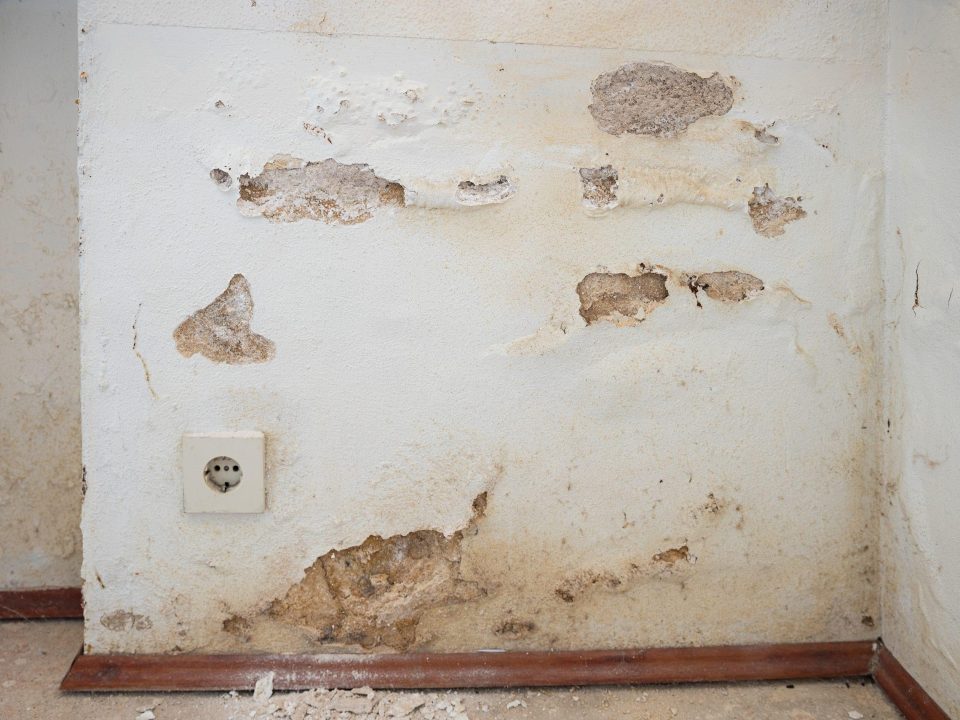
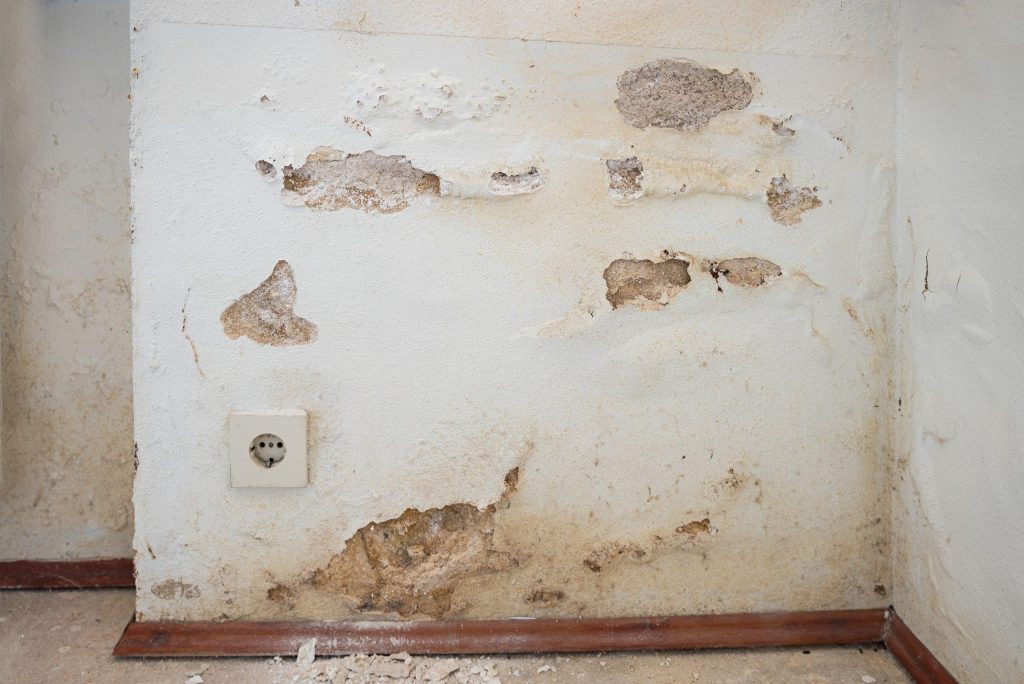
Not all marks are alike. Learn to tell condensation or damp apart before you act, because the solutions differ. And if furniture hides the bottom of the wall, check there is no mould behind furniture.
Frequently asked questions
How do I know if my marks come from a cold wall?
Condensation linked to this wall shows up mostly in winter, in the morning, as misting or little drops, often in the corners and behind furniture. It eases clearly when you air out and heat steadily.
Can a cold wall grow mould?
Yes. Moisture sitting on an icy surface ends up feeding black mould. Cutting the vapour, airing out and clearing the surface clearly limits this risk over the weeks.