Damp treatment scam: how to spot it and pay a fair price
July 1, 2026
Mould Behind Furniture: Causes and Solutions
July 9, 2026A damp mark on a wall, and straight away the question: is it condensation or damp getting in from outside? The distinction matters, because the two are not treated in the same way at all. One comes from the indoor air, the other from water working its way in from outside. Here is how to tell the difference without going wrong.
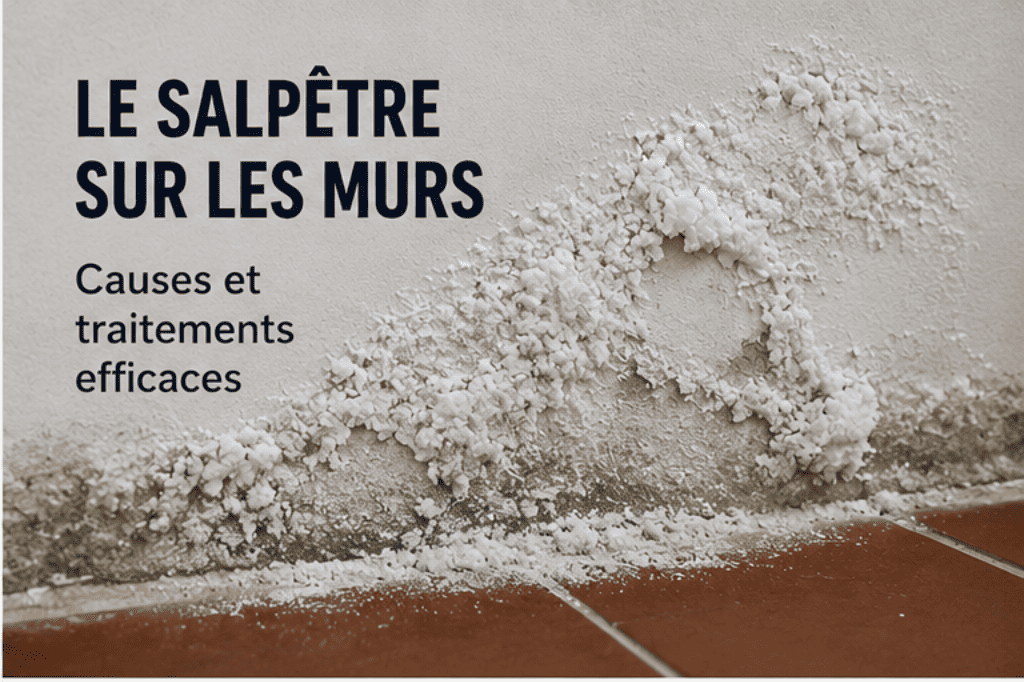
Condensation or damp: two different origins
Condensation comes from the indoor air: water vapour settles on cold surfaces, such as windows and poorly insulated walls. Damp getting in, on the other hand, comes from outside: rain, a cracked facade, a roof or a failing seal let the water in. Telling condensation or damp apart already means knowing which side to look at.
The signs of condensation
- Misting on the windows, especially on winter mornings;
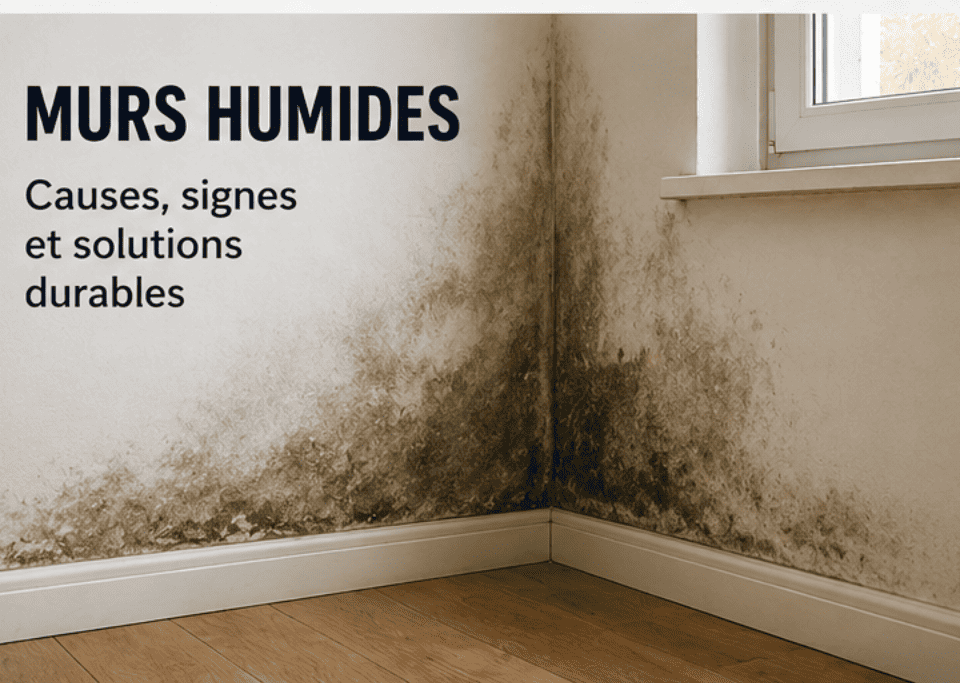
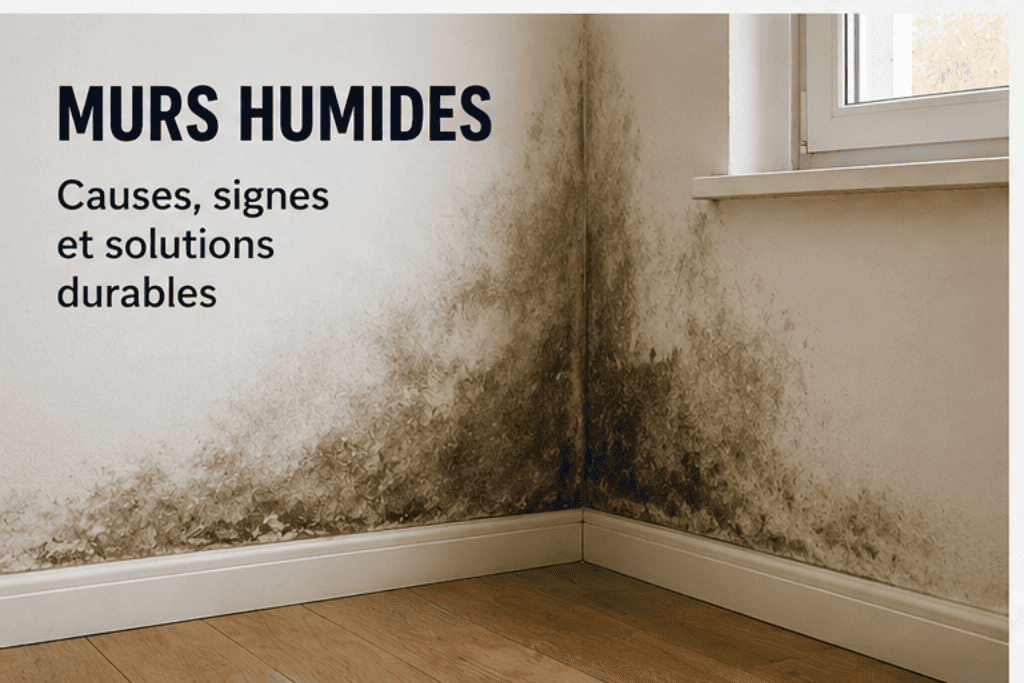
- Marks in the corners, behind furniture, near the windows;
- Humidity that rises when you cook, shower or dry laundry;
- Traces that ease clearly when you air out well.
The signs of damp getting in
- A mark that grows after heavy rain;
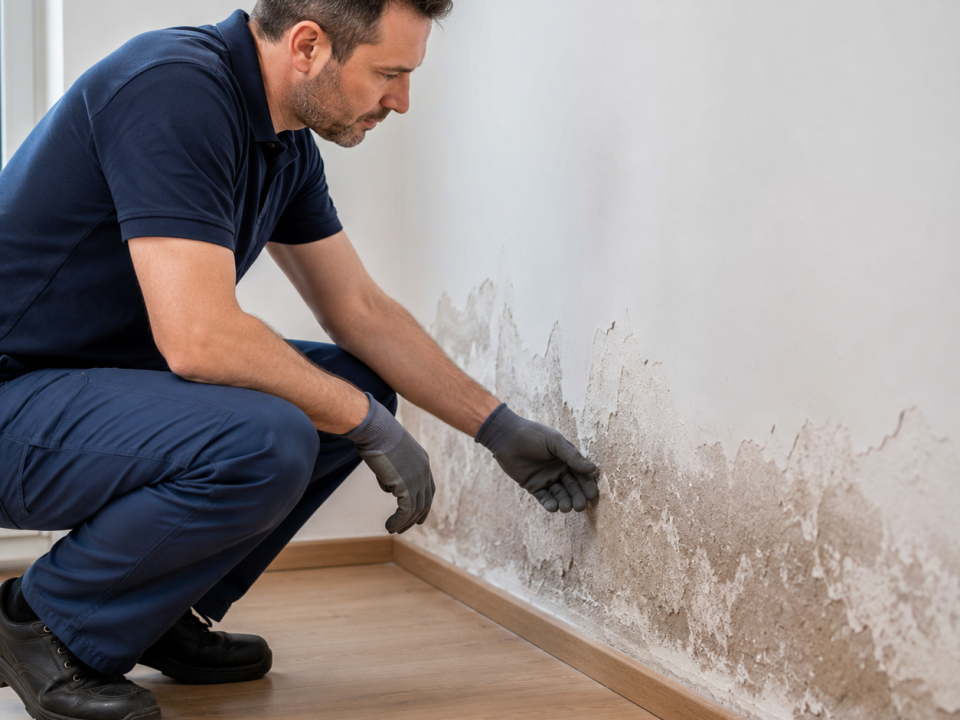
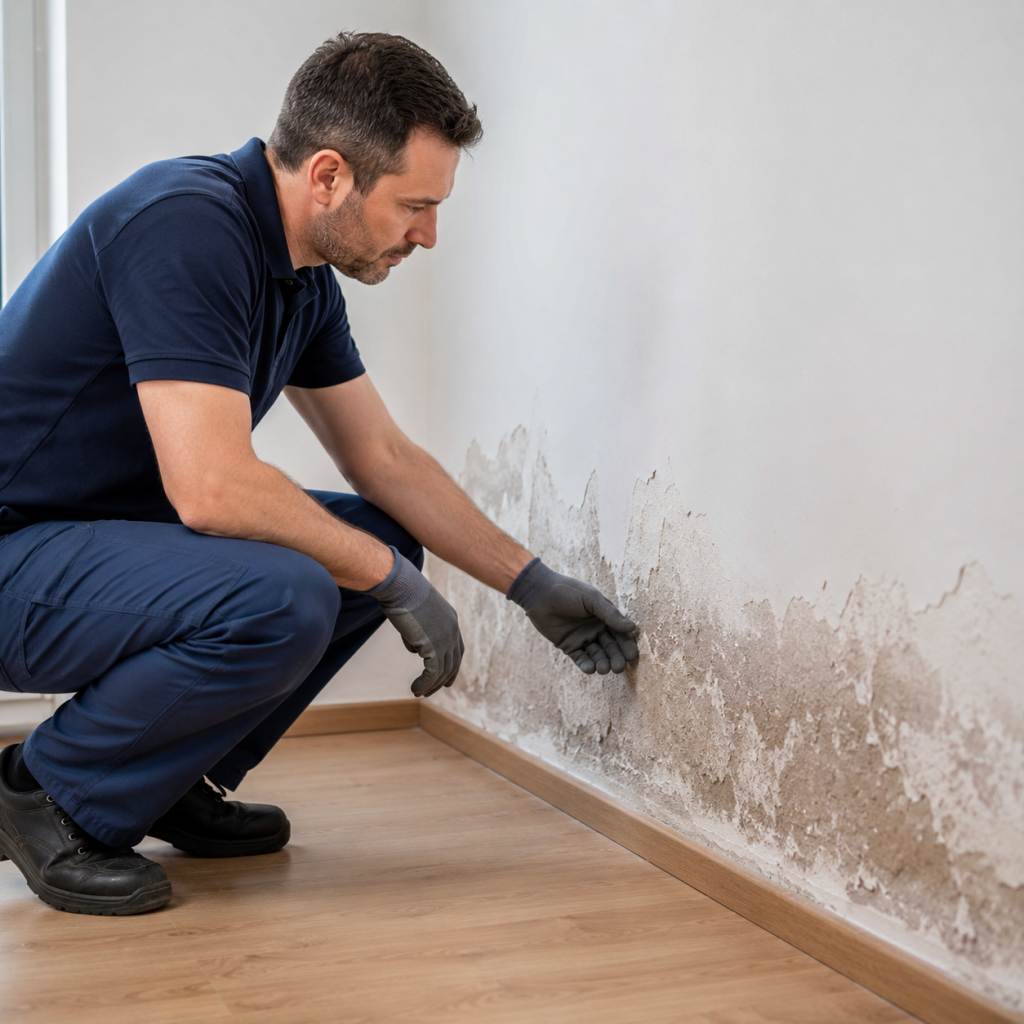
- A localised stain, sometimes far from the floor, around a crack or a fault;
- A wall that stays damp even in high summer, when the air is dry;
- A problem that does not budge, whether you air out or not.
Condensation or damp: what to do next
Once you lean towards one or the other, the action changes. Against condensation, you air out, ventilate and cut the vapour. Against damp getting in, you have to find and repair the point where water enters, on the facade, the roof or the window frame. When in doubt between condensation or damp, watch over several days and note when the mark changes: that is often the key.
A simple test at home
A little test sometimes helps you decide. Stick a piece of plastic film tightly over the mark and leave it in place for a day or two. If drops form on the room side, on the outer face of the film, it is the indoor air settling: you lean towards misting from the surrounding air. If instead the moisture appears under the film, on the wall side, the water is coming from the wall itself and you lean towards water getting in from outside. This clue is not foolproof, but it gives a good first hint before going further.
Linking the clues over time
Cold surfaces play a big part in misting: understand the case of a cold wall and condensation. And since the season makes the problem much worse, keep an eye on humidity in winter, when misting comes back every morning.
Frequently asked questions
Condensation or damp: which is more common?
In homes, condensation is by far the more common, because it comes from our daily activities. Damp getting in exists too, but it is often more localised and linked to a specific fault in the building.
Can you have both at the same time?
Yes, it happens. A wall already weakened by water getting in cools down and condenses even more moisture from the air. All the more reason to observe carefully before choosing the right solution.