Mould on Clothes: How to Remove It for Good
July 9, 2026
How to Choose a Damp Proofing Device: ATE, ATG and the Right Model
July 10, 2026
In winter, we heat our homes, keep the windows shut and cook more indoors: all habits that encourage humidity in winter. Misted-up windows, laundry that dries slowly, heavy air in the morning, the signs are easy to spot. The good news is that a few simple habits are often enough to bring back a healthy home, with no major work.
Why humidity in winter sets in so fast
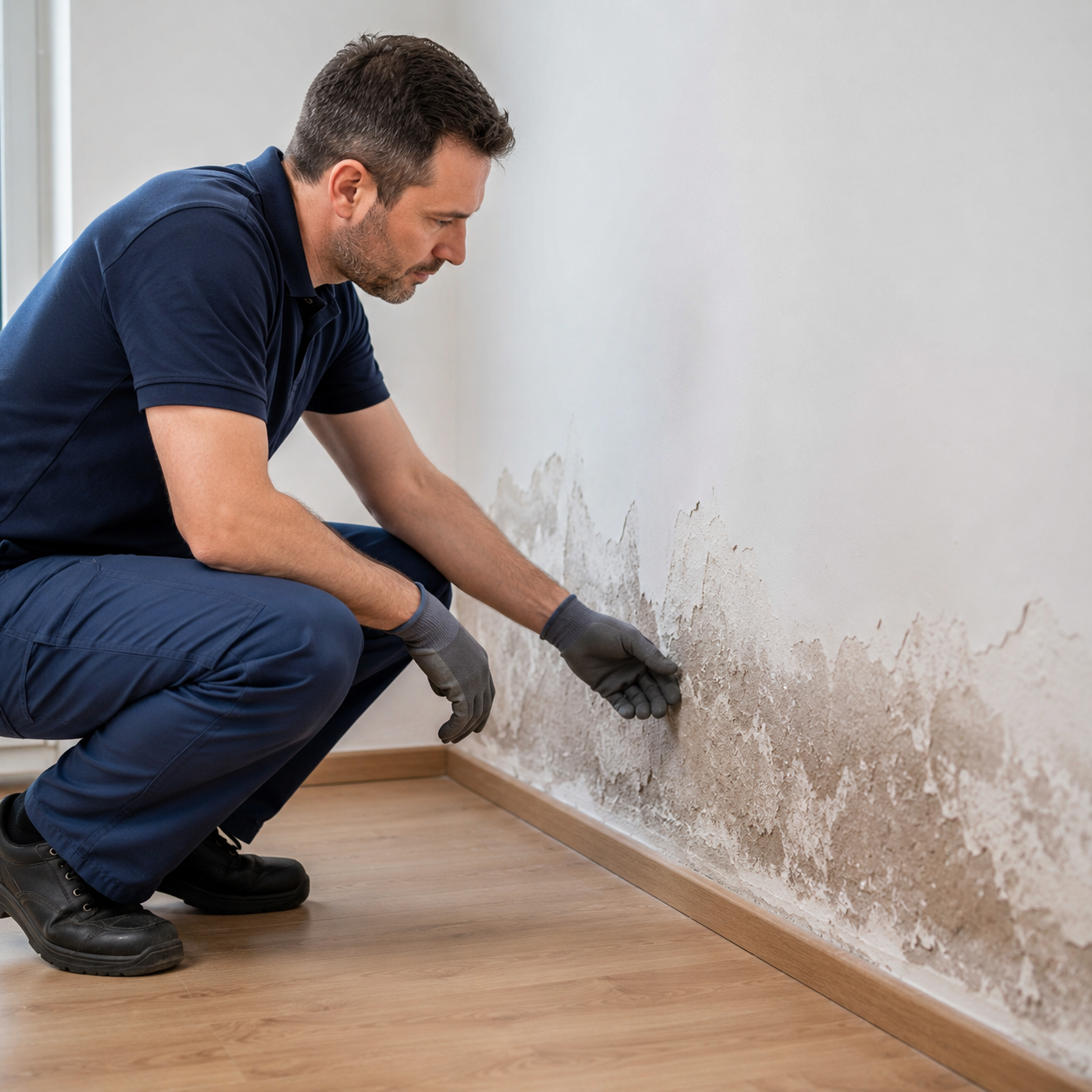
When it is cold outside, warm indoor air loaded with water vapour meets cold surfaces such as windows or poorly insulated walls. The vapour then turns into droplets: this is condensation. Because we open up less often, that vapour stays trapped and humidity in winter climbs quickly in the living areas.
- Cooking meals, especially without a lid or an extractor hood;
- Showers and baths, even more so when they are long;
- Laundry left to dry indoors;
- Breathing and houseplants, in smaller amounts.
The right habits to limit humidity in winter
Airing out remains the number one reflex. Open the windows wide for ten minutes morning and evening, even when it is cold: the air is renewed quickly and you lose very little heat. Also keep these simple daily habits in mind.
- Never block the mechanical ventilation or the air vents, and dust them regularly;
- Put a lid on your pans and switch on the extractor hood while cooking;
- Dry laundry outdoors or in a well ventilated room;
- Pull furniture away from cold walls so the air can move.
One last point matters a great deal: consistency. It is better to air out a little every day and heat steadily than to throw everything open once a week and let the home go cold. The rooms where you sleep and cook deserve special attention, because they produce the most vapour. By keeping these habits all season, you clearly cut down on problems.
Aiming for the right humidity level
To feel comfortable and limit condensation, aim for a humidity level between 40 and 60%. A small, inexpensive hygrometer lets you keep an eye on this figure room by room. Below it, the air becomes dry and uncomfortable; above it, humidity in winter encourages misting and mould. If the level stays high despite airing, look for the cause rather than hiding the symptom.
Treat the cause, not just the symptoms
The cold season often reveals fragile walls. If you notice condensation running down an icy surface, learn how to react to a cold wall and condensation. And to renew the air without wasting heat, good ventilation system maintenance really makes a difference all winter.
Frequently asked questions
Do you really need to air out when it is freezing outside?
Yes. Even in cold weather, ten minutes with the windows open morning and evening renews the air without chilling the walls. Dry air also warms up faster than damp air, so you gain in comfort and in the feeling of warmth too.
Can humidity in winter damage the home?
Yes, if it lasts. Poorly managed humidity in winter encourages condensation, stains and mould. Acting early, by airing out and reducing vapour, prevents a lot of damage and costly repairs.