
Drying Laundry Indoors Without Damp: Simple Tips
09/07/2026
Humidity in Winter: Why It Happens and How to Avoid It
09/07/2026Small black or greenish spots and a musty smell at the back of the wardrobe: mould on clothes is a classic sign of a home that is too damp. It mainly attacks laundry that was put away slightly damp or stored in a poorly aired room. Before you throw anything out, here is how to react simply.
Why mould on clothes appears
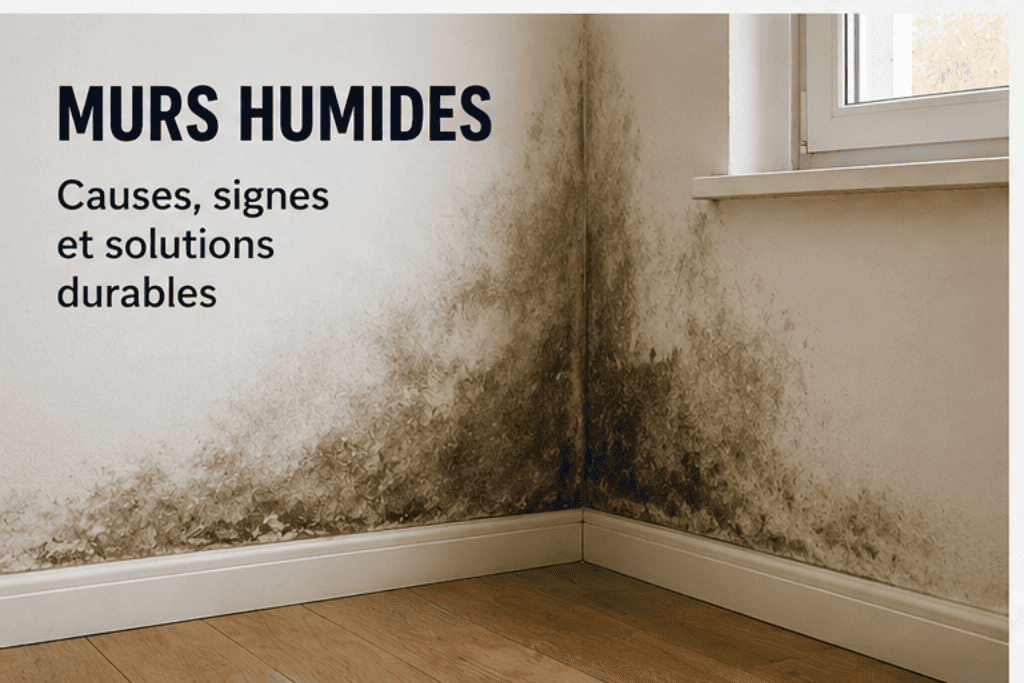
Mould needs three things: moisture, gentle warmth and air that does not move. A wardrobe pushed against a cold wall, laundry put away not quite dry or a bedroom with little ventilation bring these conditions together. Mould on clothes then develops on cotton, wool or leather, which hold moisture well.
How to remove mould on clothes
Start by taking the garment outside and gently brushing off the dry spots in the open air, so you do not spread the spores around the house. Then wash at the highest temperature the fabric can take, always checking the care label.
On tough, light coloured fabrics, white vinegar diluted with an equal amount of water helps deal with mould on clothes. Test first on a hidden area, wear gloves and a mask, keep the window open, and never mix vinegar with bleach. Then dry in the open air, ideally in the sun.
Stopping mould from coming back
- Always put away perfectly dry laundry, never slightly damp;
- Air the bedroom and dressing area ten minutes morning and evening, even in winter;
- Move the wardrobe away from cold walls so air can pass behind it;
- Do not overload the shelves, air needs to move between the piles;
- Aim for a humidity level between 40 and 60% in the room.
Also remember to empty and air out the cupboards from time to time, especially after a very damp spell. Regularly take out and shake the clothes you rarely wear, which sometimes sit for months in the same spot without getting any air. Airy storage, with space between garments, dries better and holds on to far fewer smells.
Tracing the humidity back to its cause
Cleaning is not enough if the room stays too damp: the spots will come back. Mould on fabrics often goes hand in hand with a home that carries too much vapour. Think about drying laundry indoors without adding damp. And if you find dark spots behind the cupboards, see how to treat mould behind furniture.
Frequently asked questions
Does mould on clothes come out in the wash?
Often partly, but a simple machine cycle is not always enough. Pre-treating with diluted white vinegar, then washing as hot as possible and drying in the sun, gives much better results on the spots.
Is a mouldy garment dangerous to wear?
It is best not to wear it while it still smells musty. Handle it in the open air, wash it carefully, and if the spots and the smell still stay despite everything, it is safer to part with it.