Condensation or Damp: How to Tell the Difference
July 9, 2026How to Ventilate a Room Without Windows
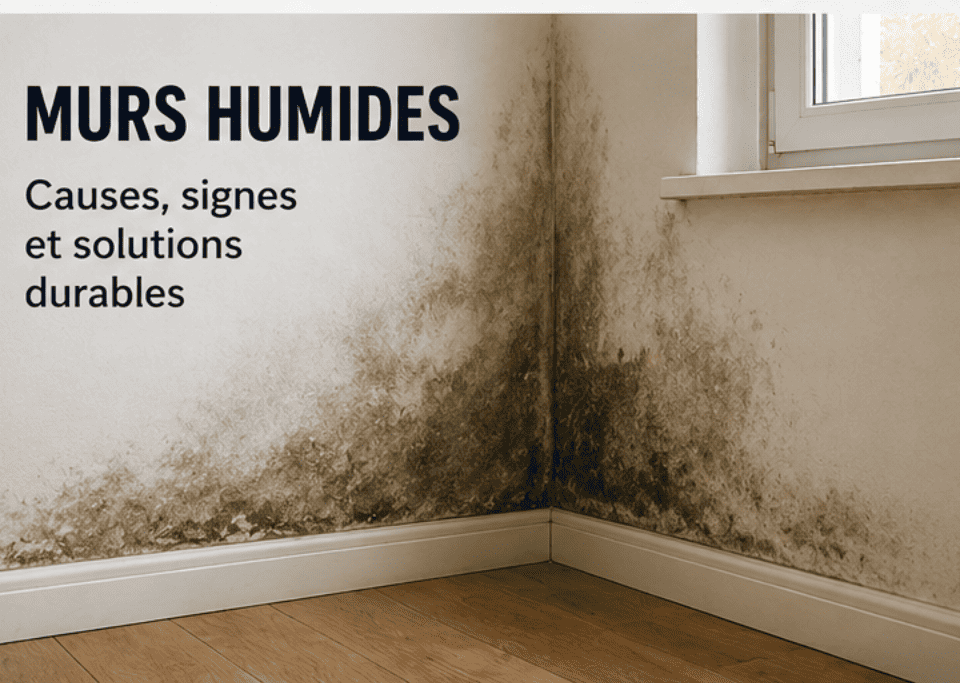
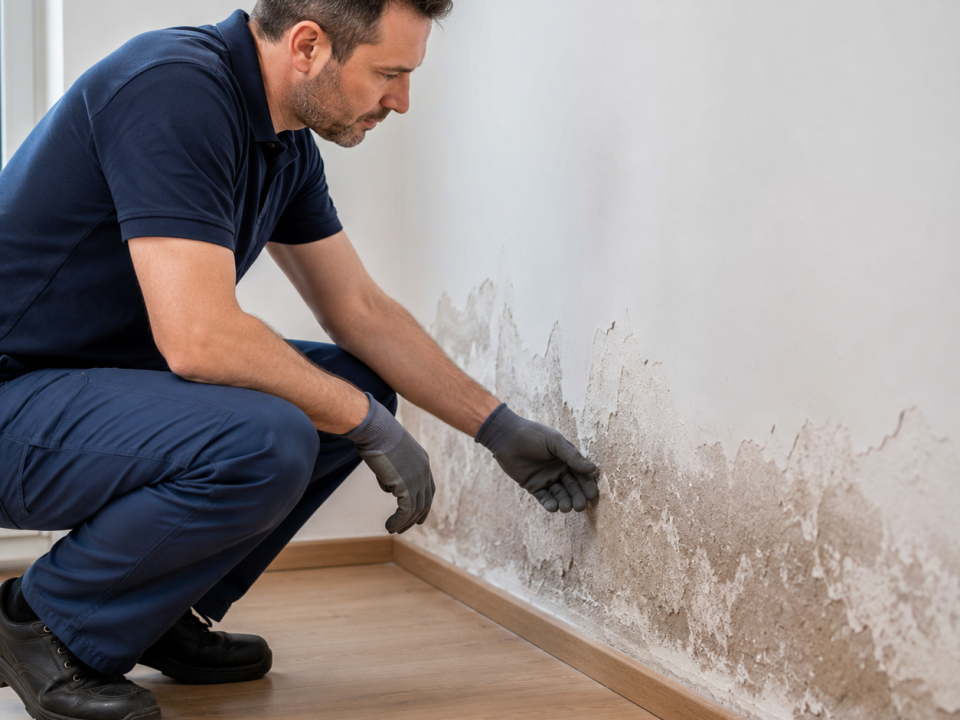
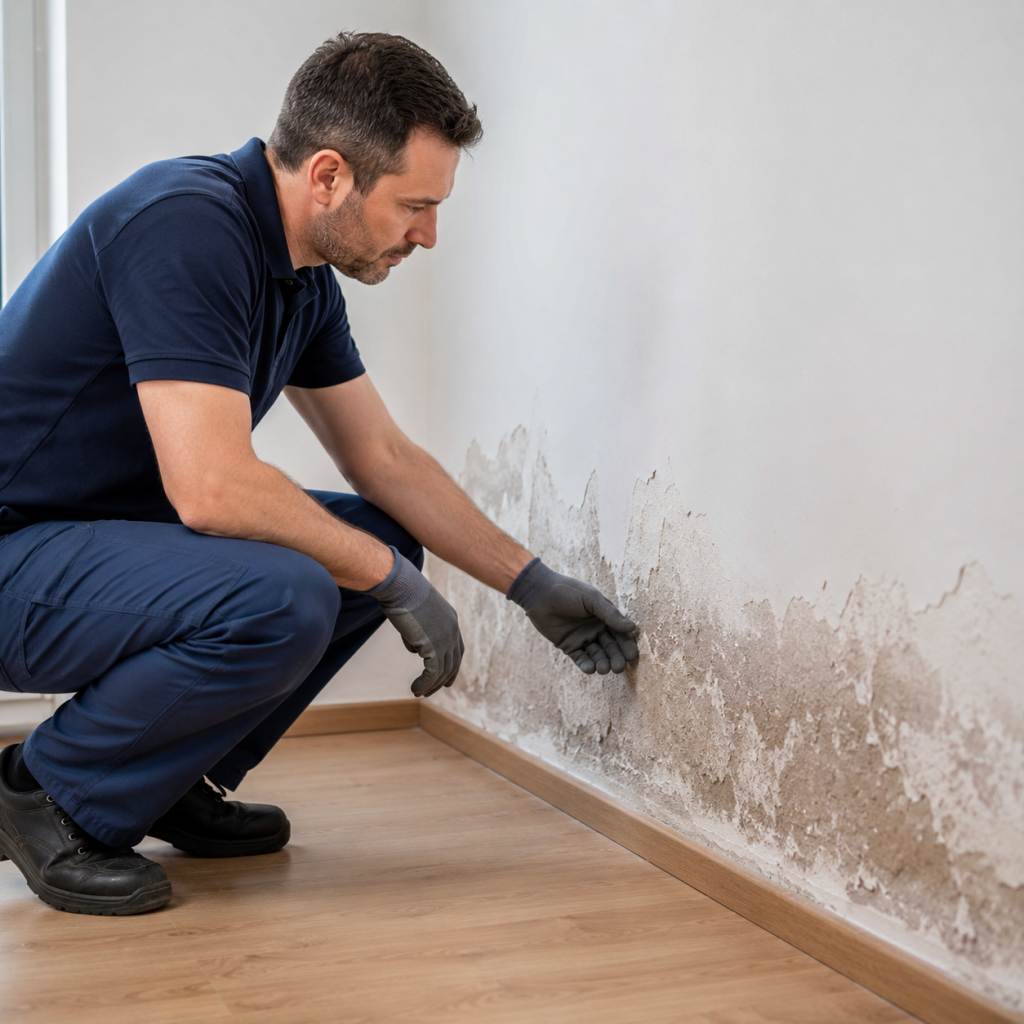
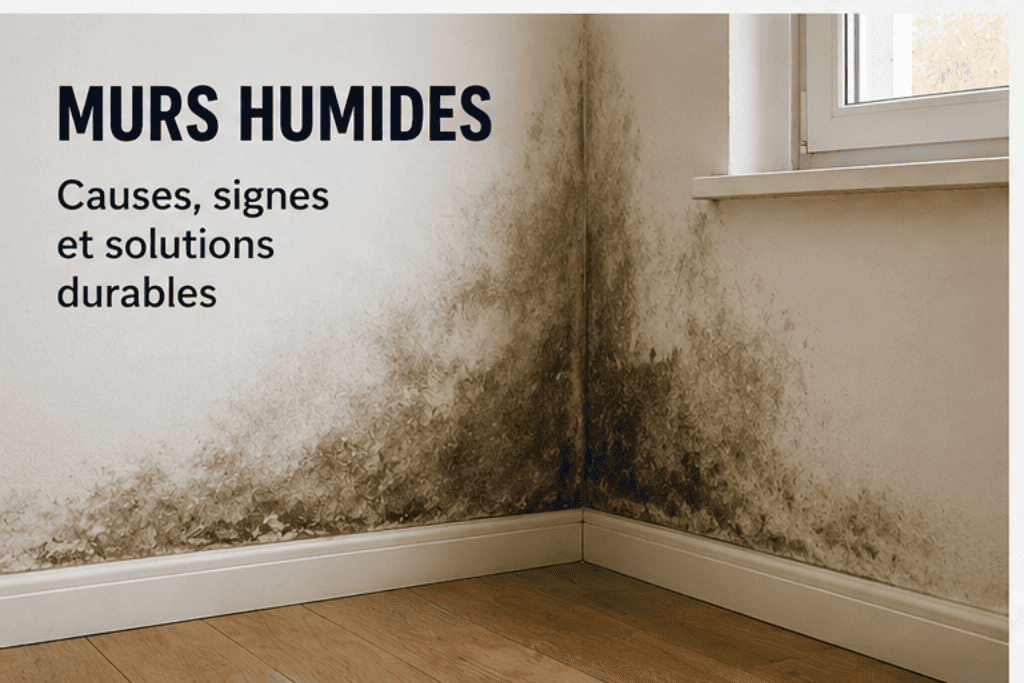
July 9, 2026You move a chest of drawers or a headboard and there it is: black spots and a musty smell on the wall. Mould behind furniture is very common, because these hidden areas combine still air and a cold wall. Rest assured, you can act, as long as you tackle the cause as much as the spots.
Why mould behind furniture appears
A heavy piece of furniture flat against a cold wall stops the air from moving. Behind it, the wall is colder and damper: the room’s vapour condenses there and feeds mould. Mould behind furniture therefore mainly affects wardrobes, beds and sofas pushed against walls that back onto the outside, often facing north.
How to treat mould behind furniture
Once you understand the cause, it is time to clean. On surface mould, white vinegar diluted with an equal amount of water gives good results.
- Test first on a small, out of the way area;
- Wear gloves and a mask, and keep the window open;
- Never mix vinegar with bleach;
- Let it work, rub gently, then dry the wall well.
This cleaning deals with the surface, but to stop mould behind furniture from coming back, you also need to change a few everyday habits.
Let it dry well before putting things back
Before you put everything back, let the area dry well. A wall still damp under a piece of furniture soon starts to go mouldy again, even after a good clean. Take the chance to air the room widely for a few hours and, if the furniture is fabric or wood, take it out into the open air until it dries right through.
Spotting the areas at risk
Some rooms combine the risks: lightly heated bedrooms, corners facing north and walls that back onto the outside. In these spots, get into the habit of pulling the furniture out a few centimetres and taking a look behind once or twice a year. Catching a small mark early lets you treat it in a few minutes, before it spreads and soaks deep into the wall.
Stopping it happening again
- Move furniture a few centimetres away from cold walls;
- Air out ten minutes morning and evening, even in winter;
- Do not block the mechanical ventilation or the air vents;
- Cut the water vapour in the home;
- Aim for a humidity level between 40 and 60%.
Tracing the real cause
These hidden spots are often linked to a wall that is too cold. Understand the connection with a cold wall and condensation so you act in the right place. And if you find the same marks on stored textiles, see how to remove mould on clothes.
Frequently asked questions
Is mould behind furniture dangerous?
Breathing in mould every day can bother you, especially sensitive or allergic people. That is no reason to panic, but it is better to clean without delay and, above all, remove the cause.
Should you throw out furniture stained by mould?
Not necessarily. A wooden piece of furniture often cleans and dries very well. Air it outside, treat the mark, let it dry, then keep it away from the wall once it is back in place.