Damp Skirting Boards: What the Base of the Wall Reveals
07/09/2026
How to paint a damp wall: what the painter must treat first
28/09/2026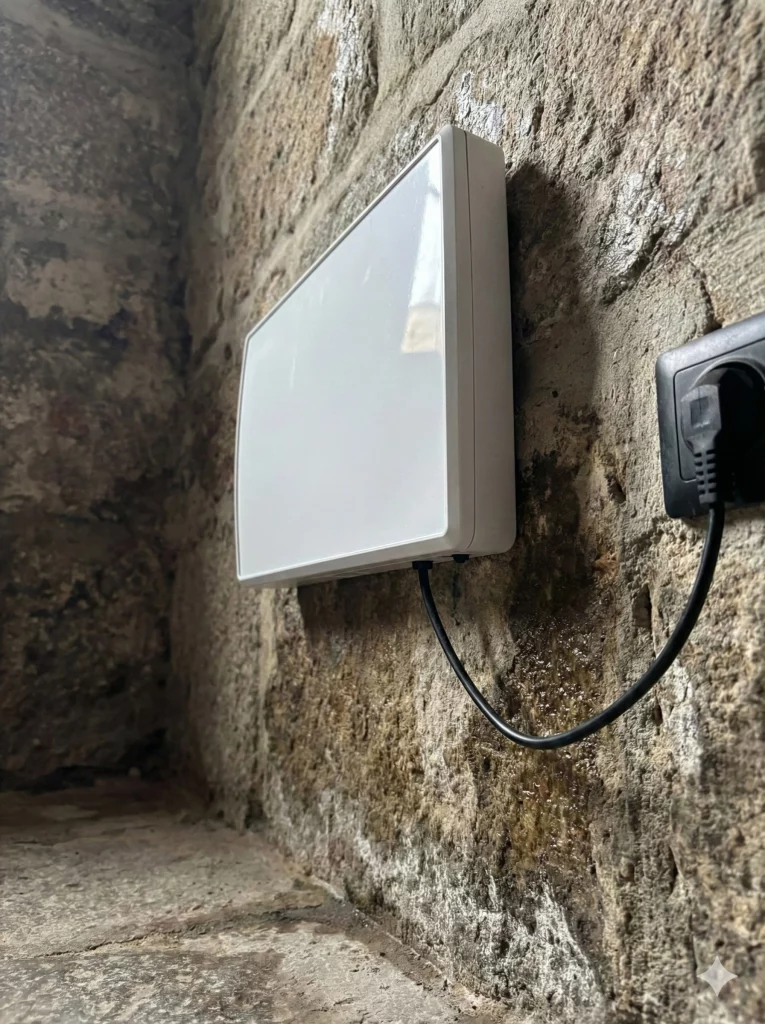
The resin injection cost against rising damp often surprises homeowners. This treatment, presented as the go-to solution for a damp wall, represents a significant budget and remains invasive. Before you commit, it is worth understanding what makes up this resin injection cost, its limits, and the no-works alternative that exists today.
How the resin injection cost is calculated
The resin injection cost depends above all on the linear metres of wall to be treated. The treatment is billed by the linear metre, with a specialist company carrying out the work. The longer, thicker or harder to reach the wall is, the higher the budget climbs. On top of this, there are often items that get overlooked when the quote is drawn up.
- the number of holes to be drilled into the masonry;
- the preparation and making good of the render after injection;
- the labour of a team travelling to the site;
- a possible diagnostic survey billed beforehand.
Why this budget stays high
Injection is a full building project in its own right. The wall has to be drilled at regular intervals, the product injected, and then the finishes redone. This labour, combined with the cost of the product and the logistics, explains why the resin injection cost quickly adds up to several spending items across a whole house.

The limits of injection beyond the cost
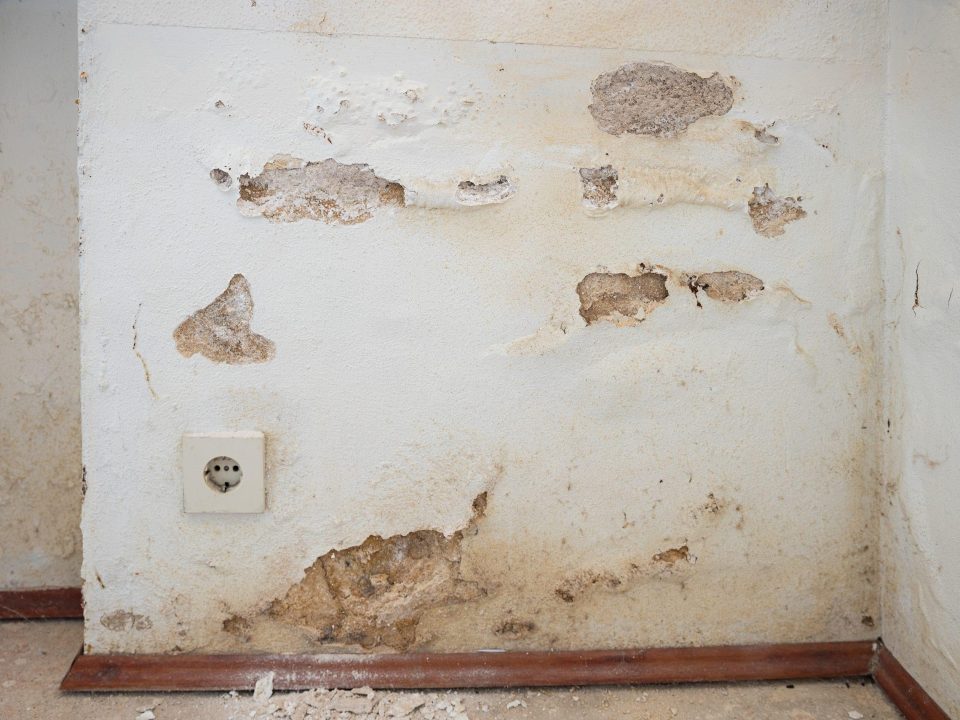
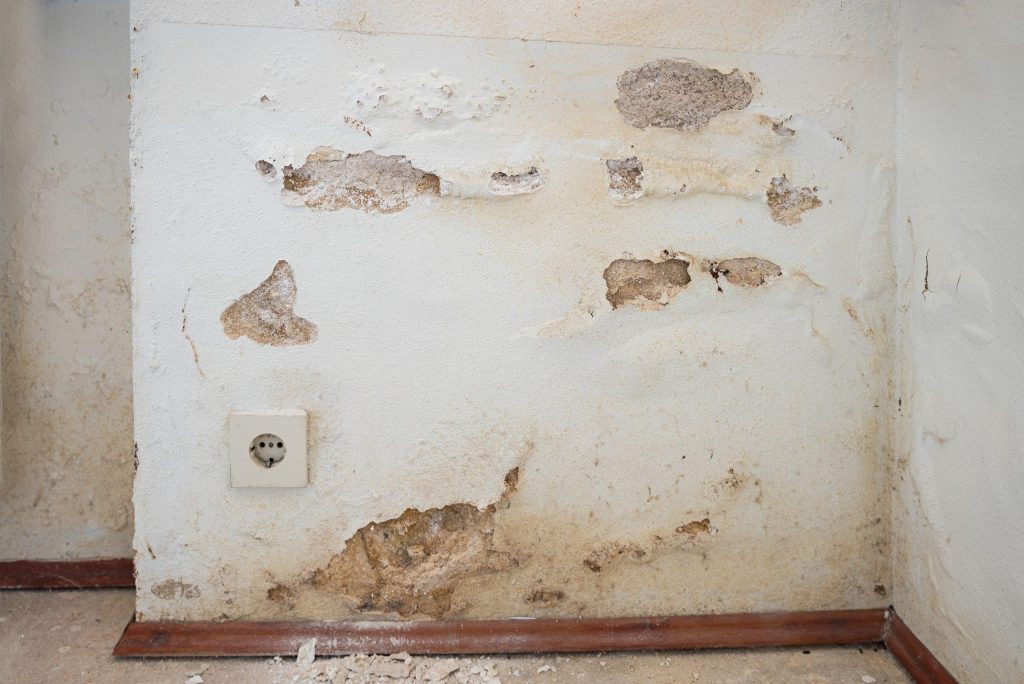
Cost is not the only thing to watch. On thick walls, in stone or uneven masonry, the product spreads poorly and the barrier can remain incomplete. Injection also only treats capillary action. If the damp comes from an infiltration, a leak or a ventilation fault, it solves nothing.
The anti-damp device, a no-works alternative
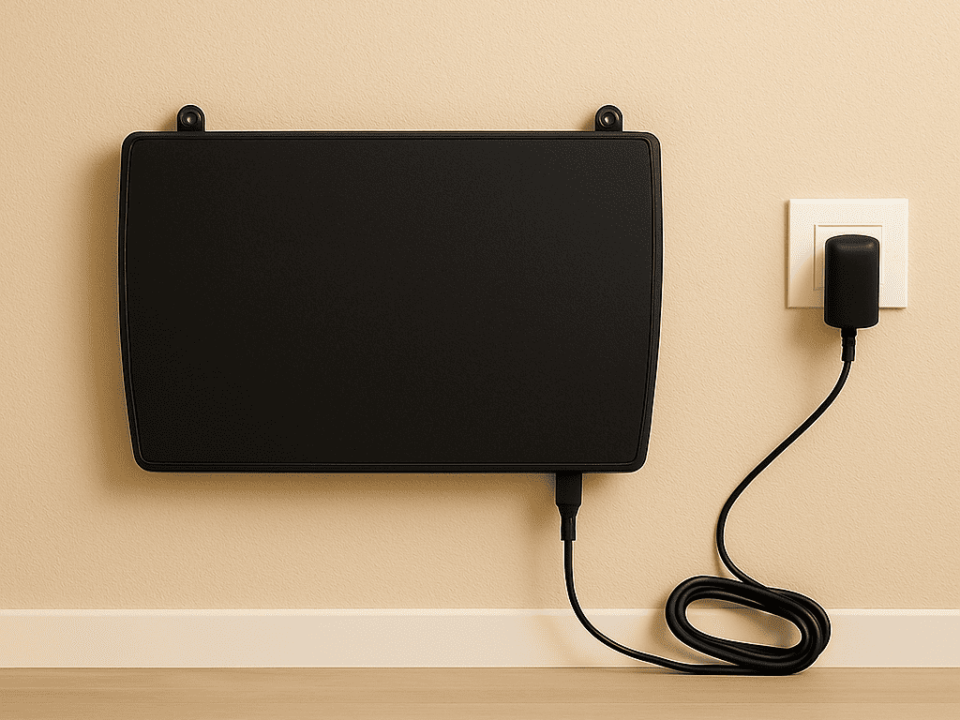
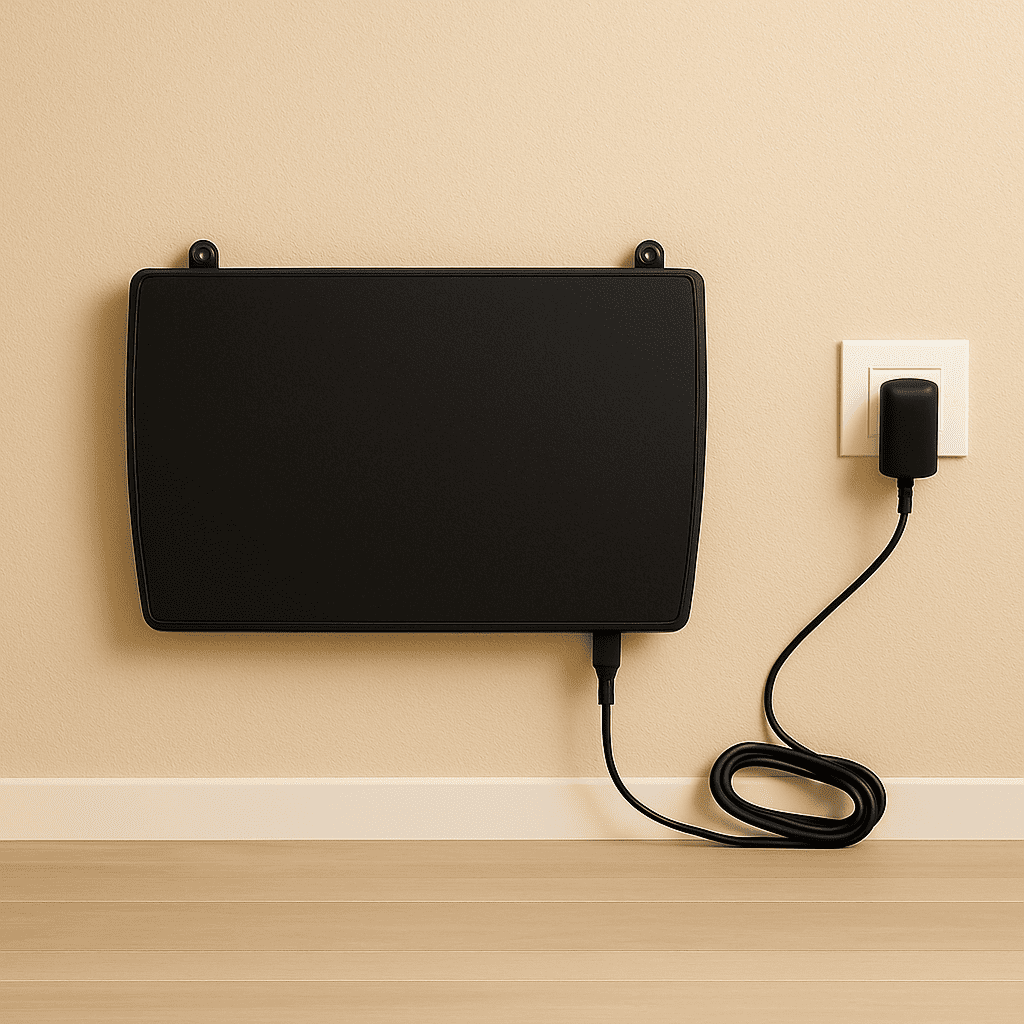
The anti-damp device works differently. It needs no drilling, no chemical product and no company on site. Fitted at the base of a damp load-bearing wall, it supports the gradual drying of masonry affected by rising damp.
At Humidistop France, the ATE wall drying devices use electromagnetic technology, while the ATG models work without electricity thanks to geomagnetic technology. A single device covers a wide area, with a range of 15 to 60 metres depending on the model, where injection is paid for by the metre of wall. The devices are made in France, guaranteed for 10 years and tested by the Emitech and Nexio laboratories. An improvement is generally seen within 18 to 24 months, provided the installation recommendations are followed.
Injection or device: how to decide
The right choice depends on your building, the type of wall and the real source of the damp. If you want to avoid a heavy building project and permanent drilling, the device is a serious alternative to the resin injection cost. In every case, you first need to check that the problem really comes from capillary action and not from another source of damp.
Frequently asked questions about cost and the alternative
Does the resin injection cost include the finishes?
Not always. Making good the render and paintwork after injection is often billed on top. It is a point to check carefully on the quote, because it quickly pushes up the final bill.
Is a device lighter to handle than injection?
The device avoids the costs tied to the building work: no drilling, no making good of the render, no team travelling out. It is set up on a simple earthed socket and stays in place over time, with no maintenance.
Treat damp without drilling your walls
If the resin injection cost is holding you back, the anti-damp device deserves your attention. Discover the ATE and ATG models in our online shop, or send us a few photos of your walls to be guided towards the right model.