MEDIA · 2025
Forbes interview: meet a French company
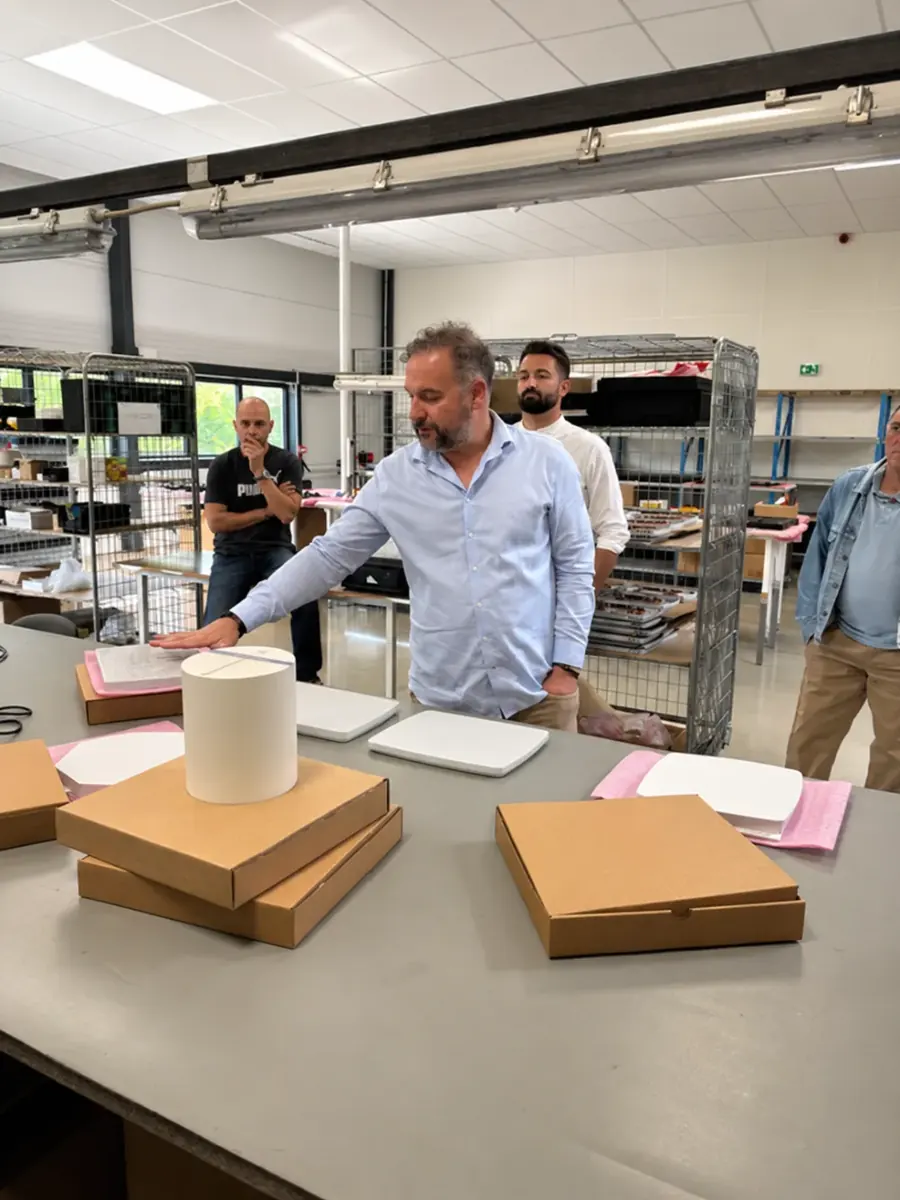
William Coignard introduces the company and its background.
Watch on YouTube ↗Rising damp, condensation and water ingress: explore our guides to identify the source of damp and choose a solution suited to your building.
HUMIDISTOP ON VIDEO
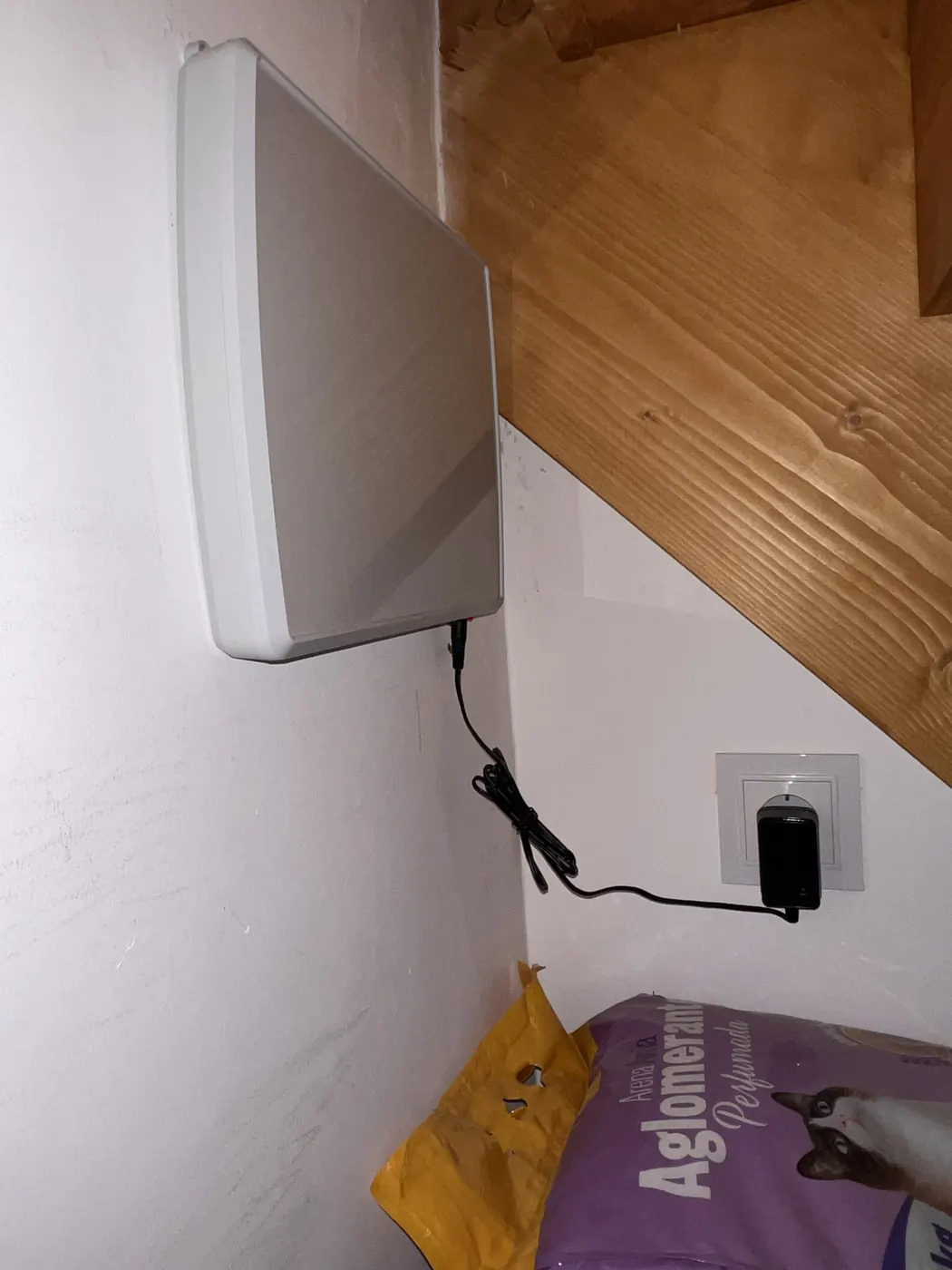
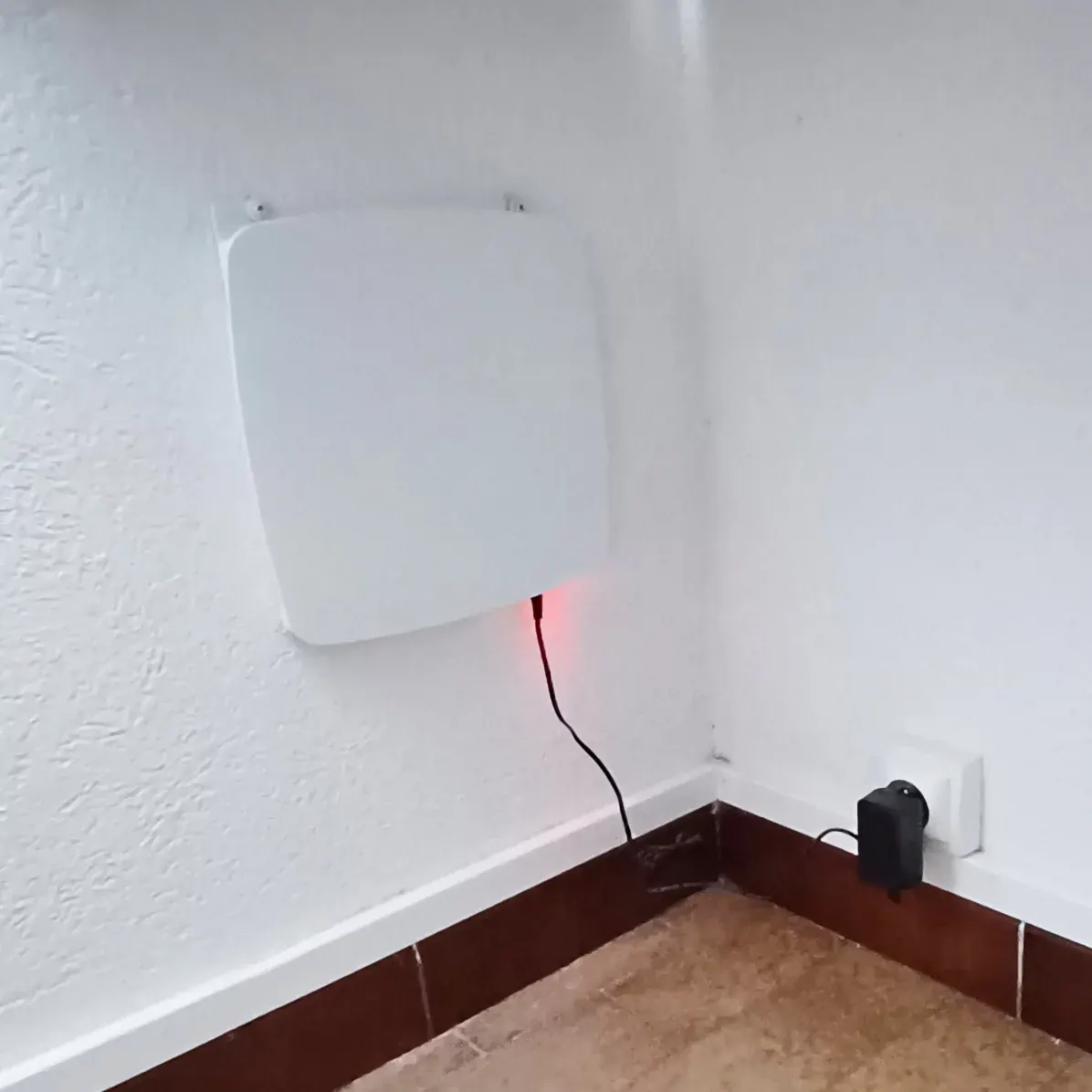
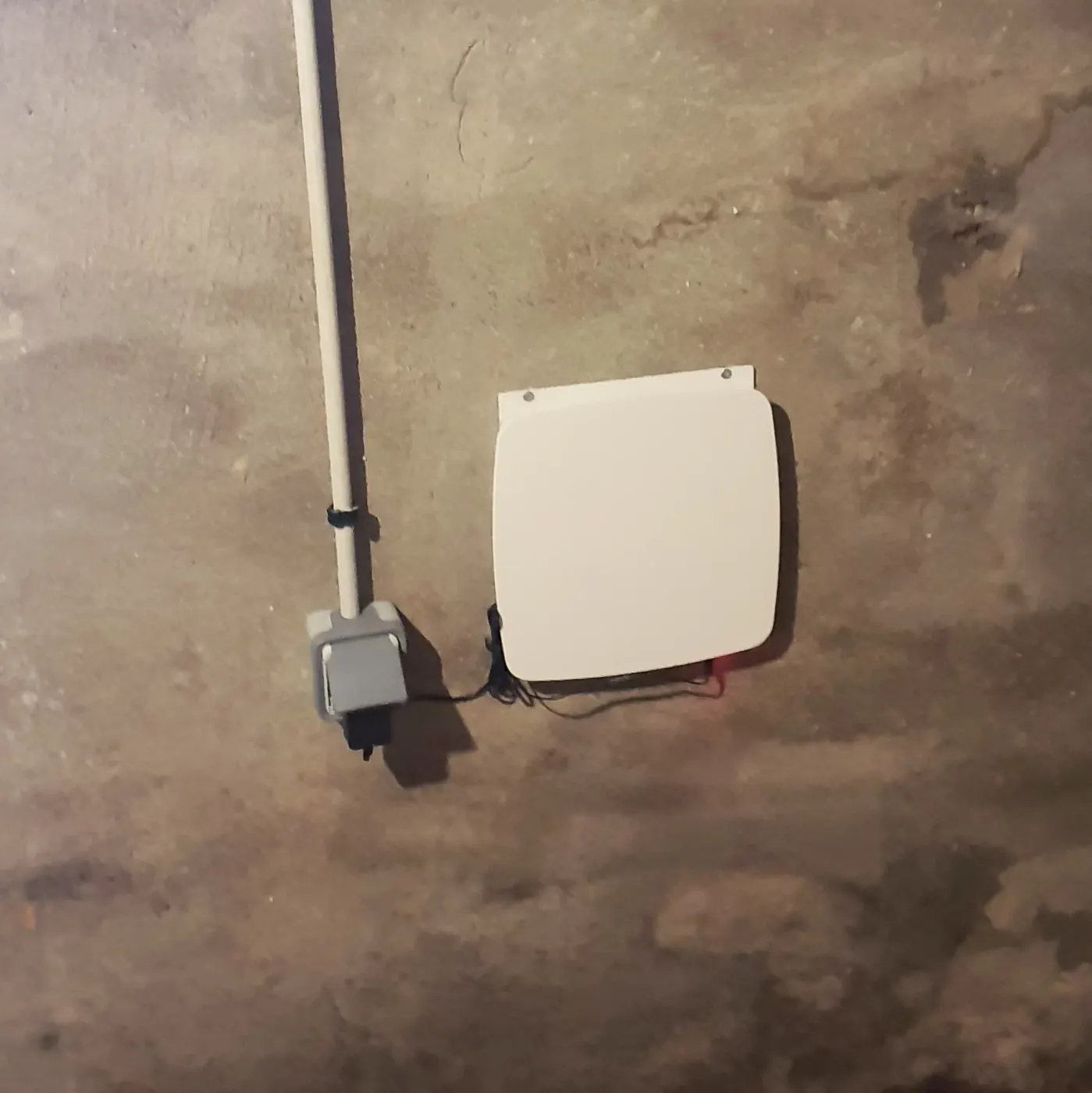
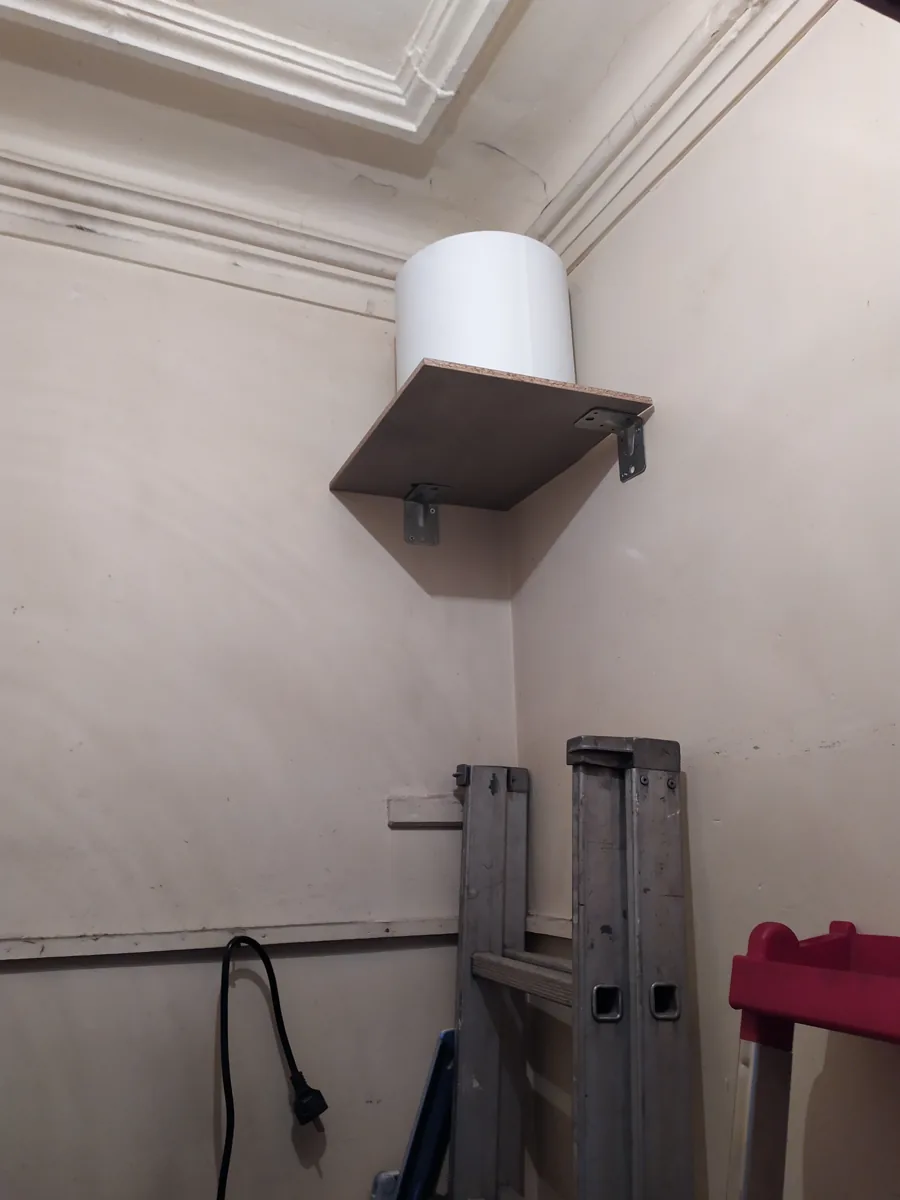
Meet the company through its interviews and explore the ATE and ATG installation guides.
MEDIA · 2025
William Coignard introduces the company and its background.
Watch on YouTube ↗MEDIA · 2025
A discussion about French manufacturing and the development of Humidistop.
Watch on YouTube ↗MEDIA · 2025
An interview about damp walls and capillary rising damp.
Watch on YouTube ↗EXPERT EXPLANATION · 2024
A short explanation of the principle presented for walls affected by rising damp.
Watch on YouTube ↗INSTALLATION GUIDE · 2026
Installation guidance to read alongside the manual for your model.
Watch on YouTube ↗INSTALLATION GUIDE · 2026
The ATG installation steps; always check your model’s manual.
Watch on YouTube ↗Three questions to help you find your way, then articles to understand and choose.
Question 1 of 3
Your initial guidance
These three signs guide your investigation; they do not confirm a diagnosis on their own.
References, media, technical explanations, comparisons and installation examples: explore the articles below.
Selected guides on this subject · 33 articles
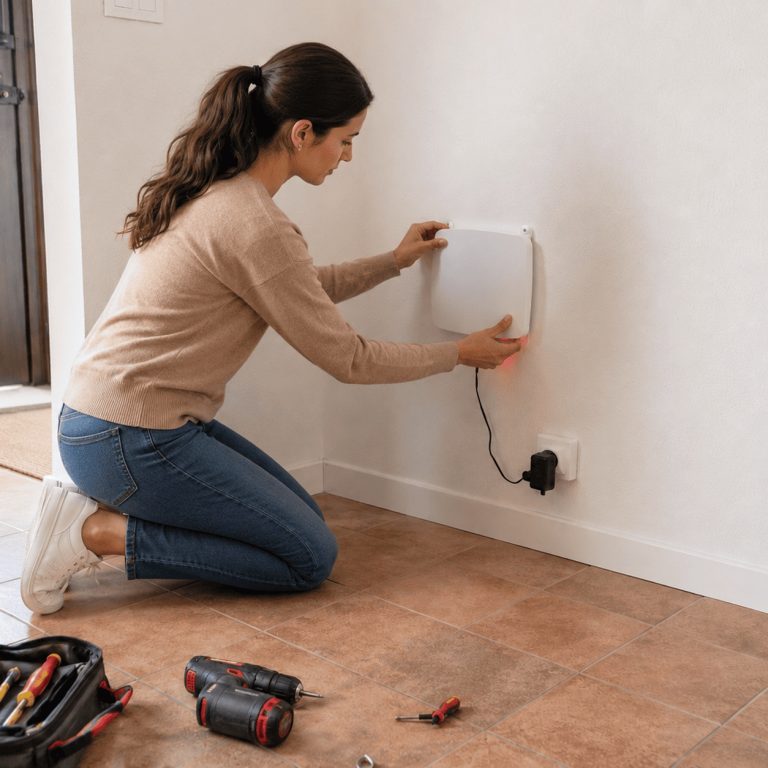
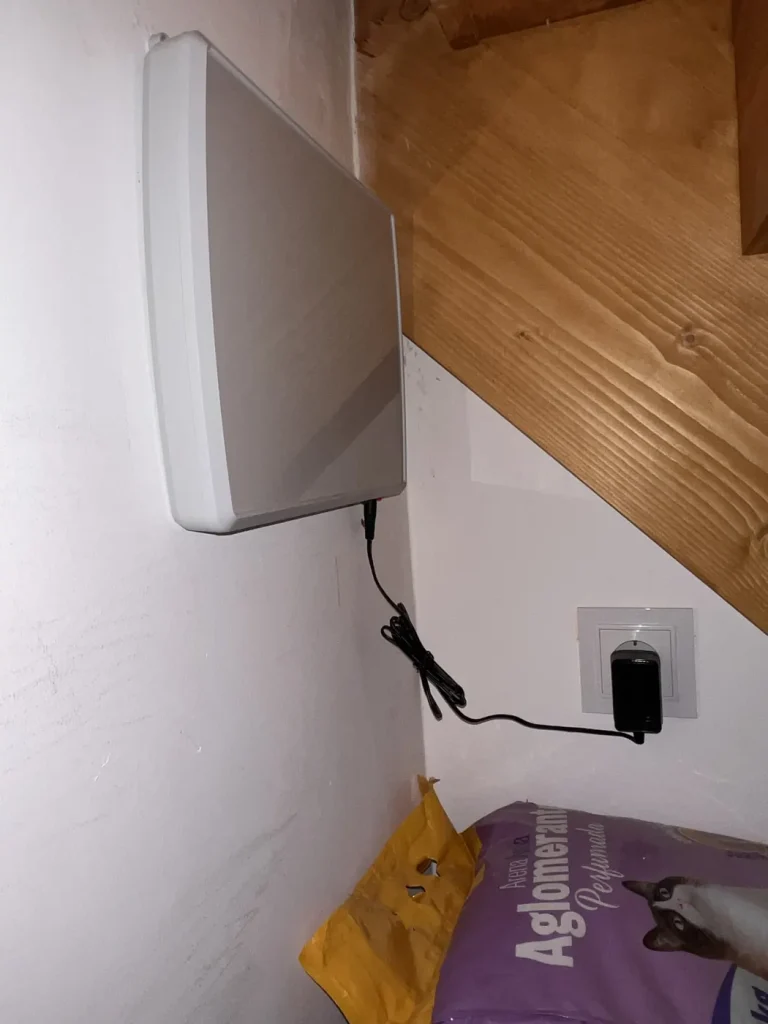
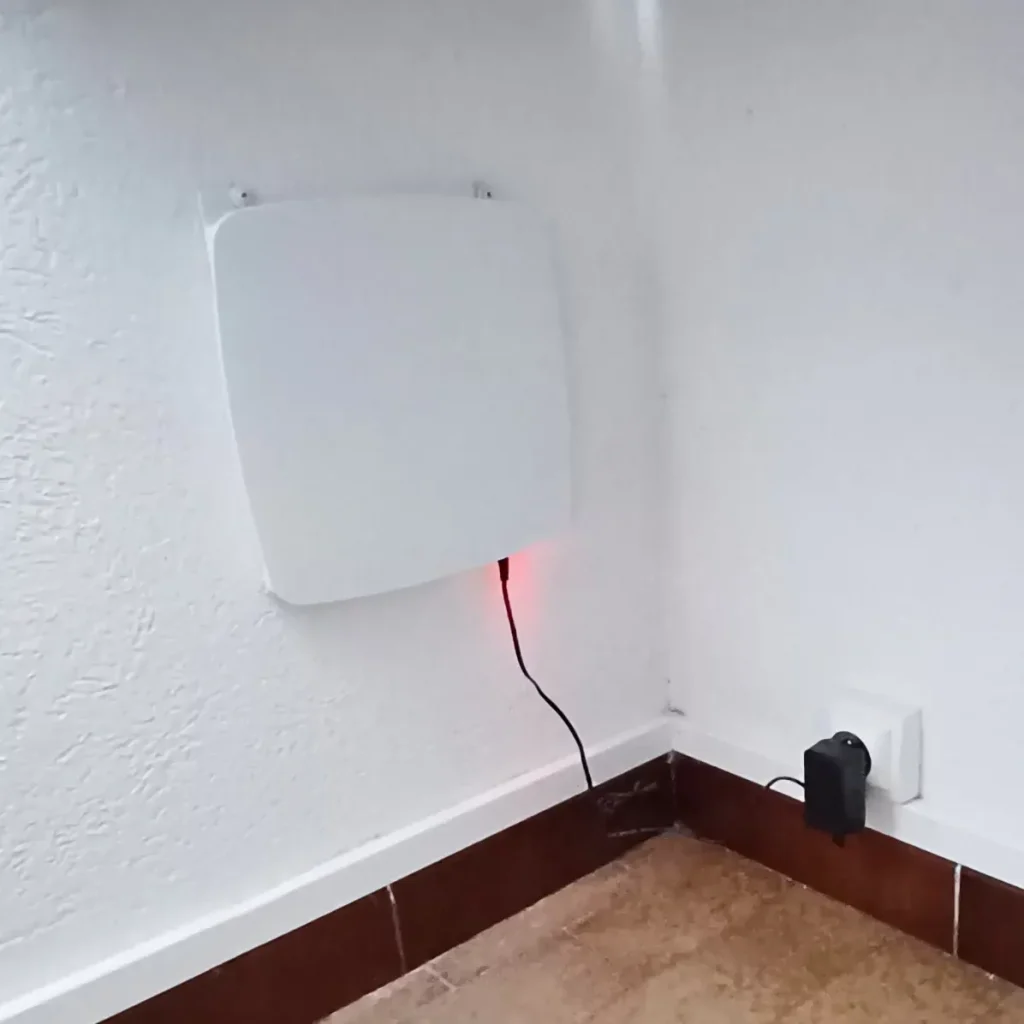
Looking for a device to address rising damp? Start with the source of the moisture, the layout of the affected walls and the installation conditions. Humidistop offers ATE and ATG devices. You can install your model yourself in…
Read the article →
Choosing rising damp devices should start with clear information: the model, the building layout, the installation instructions and what the price includes. At Humidistop France, our ATE and ATG ranges give you identifiable references to compare before ordering.…
Read the article →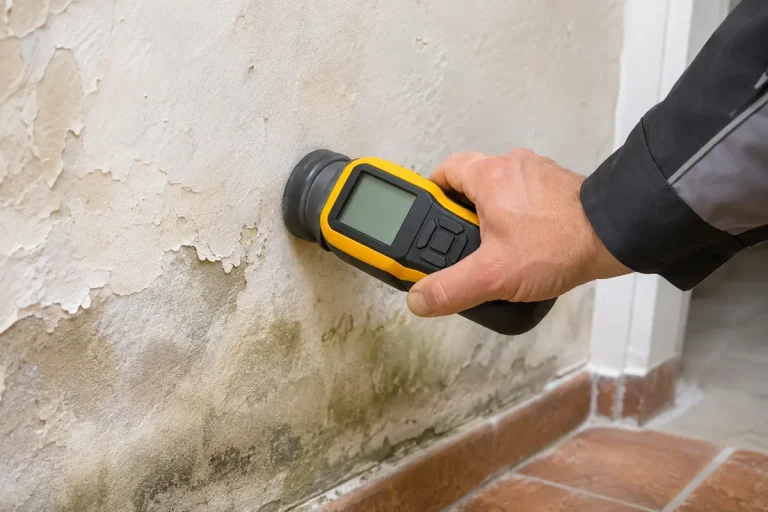
Peeling paint or a mark near the floor does not, by itself, identify the cause of damp. Before choosing a device, put together a clear description of your building and the areas affected. This makes an advice request…
Read the article →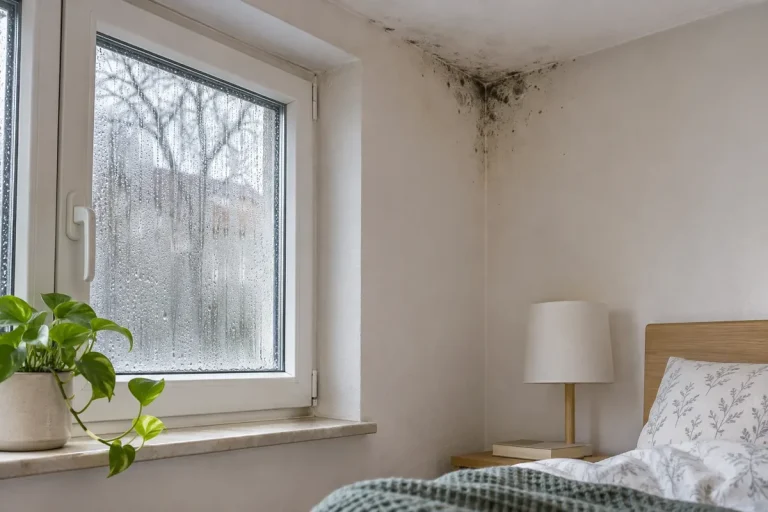
Mould does not automatically make a wall a rising damp case. Where marks appear and when they return help to guide the checks that are needed.Before choosing equipment, prepare a plan and dated photographs. Humidistop provides product pages…
Read the article →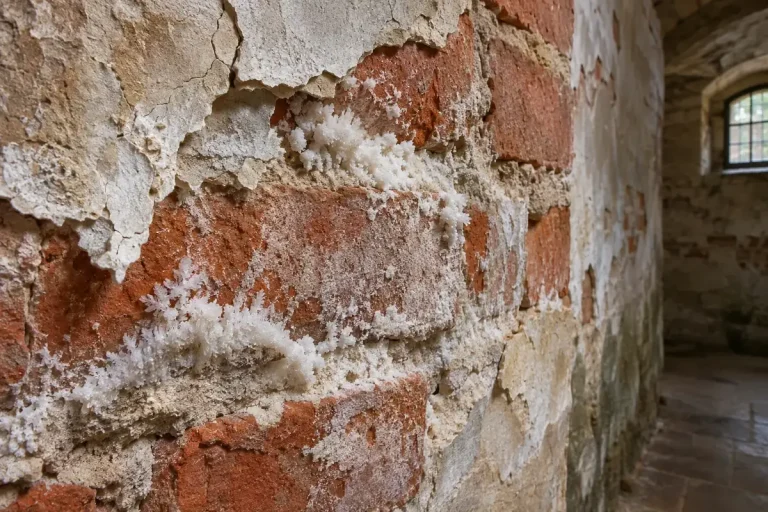
Visible salts deserve investigation. Removing them does not by itself stop incoming water, and a white appearance does not always identify their composition.Before choosing equipment, prepare a plan and dated photographs. Humidistop provides product pages and instructions so…
Read the article →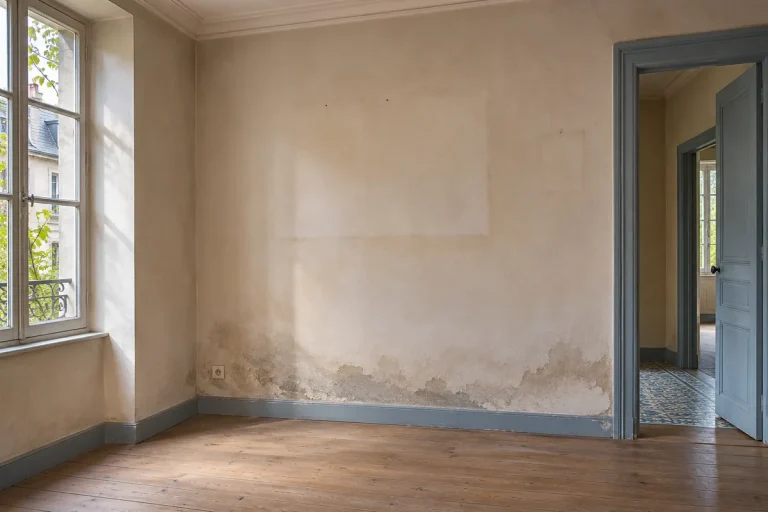
A new lining can hide the marks without resolving the water affecting the wall. In an older building, start with the materials and alterations rather than the new finish.Before choosing equipment, prepare a plan and dated photographs. Humidistop…
Read the article →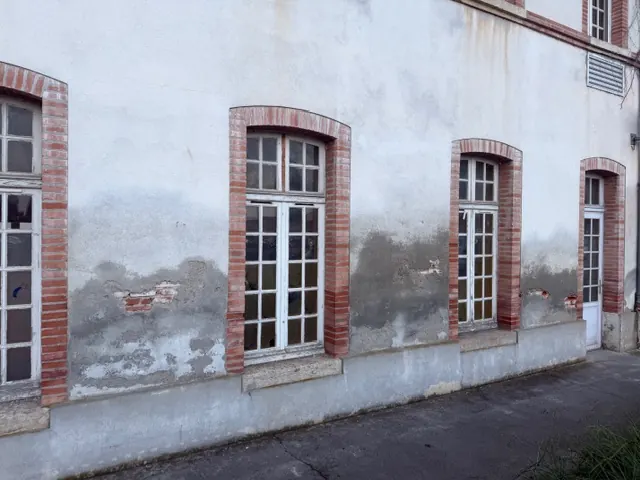
The price of a device sold on its own is not the cost of a complete building intervention. Separating the items makes the offer easier to understand.Before choosing equipment, prepare a plan and dated photographs. Humidistop provides product…
Read the article →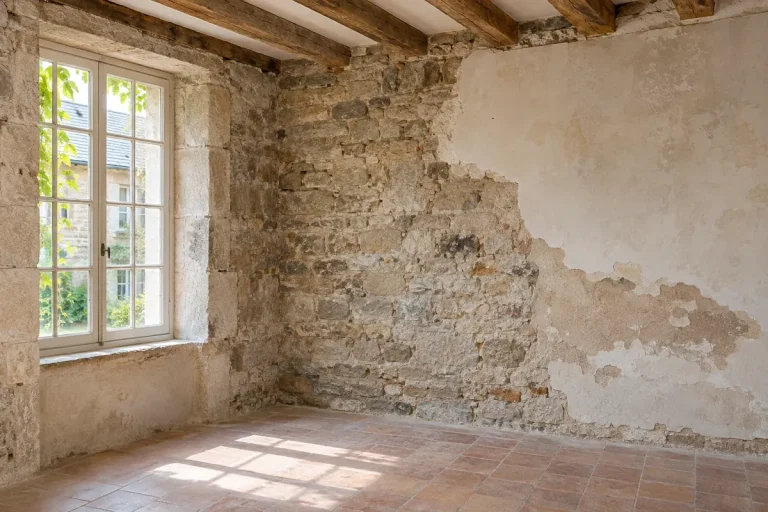
Two damp treatment quotations may cover different jobs. Before comparing the price, ask which mechanism is being addressed and which parts of the building are included.Before choosing equipment, prepare a plan and dated photographs. Humidistop provides product pages…
Read the article →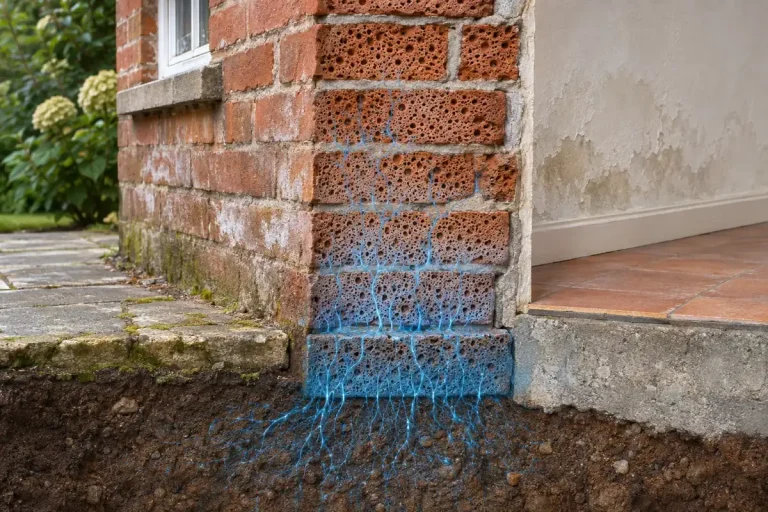
A stain near the floor does not identify the cause on its own. Rising damp describes water moving through porous materials in contact with damp ground.Before choosing equipment, prepare a plan and dated photographs. Humidistop provides product pages…
Read the article →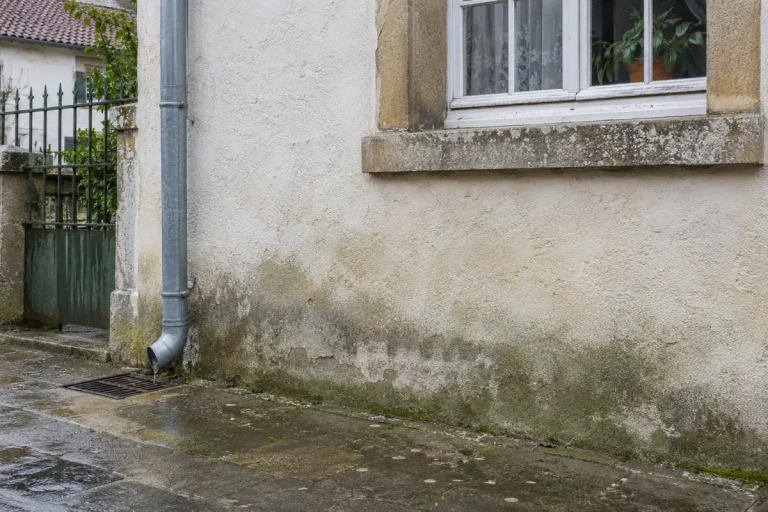
An internal mark may relate to the facade, while an external one may relate to the base of the wall. Look at the wider setting before selecting a product from appearance alone.Before choosing equipment, prepare a plan and…
Read the article →