ATE: electromagnetic anti-damp device for damp walls and rising damp
May 28, 2026
Damp treatment scam: how to spot it and pay a fair price
July 1, 2026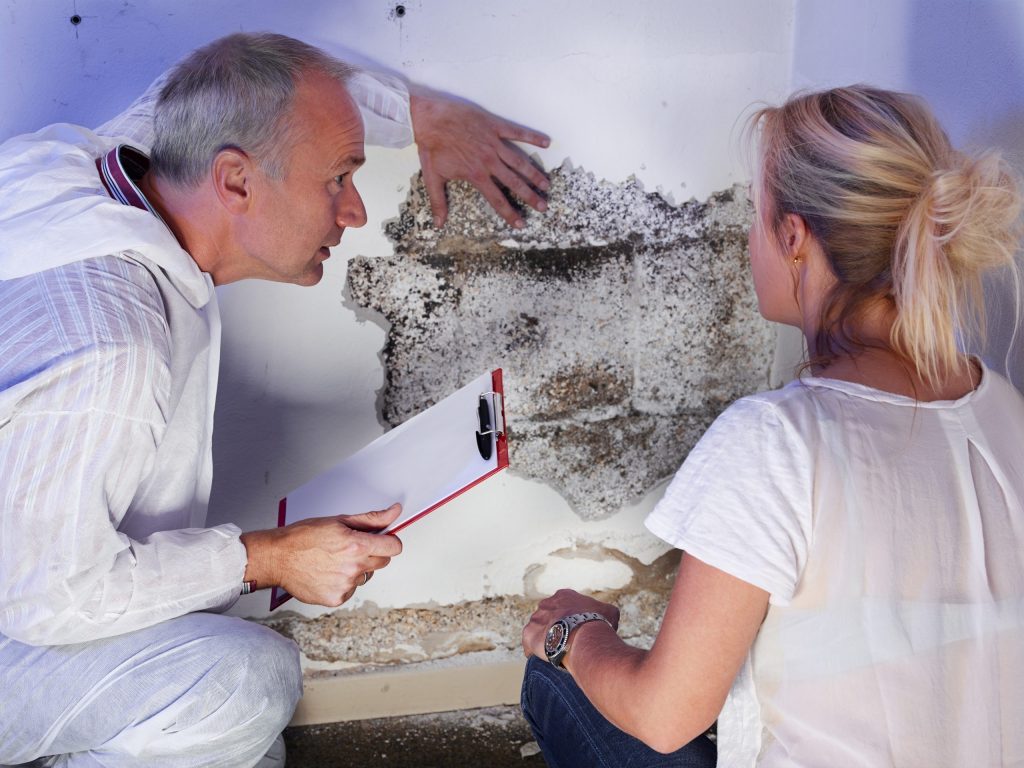
Is resin injection effective against rising damp? The question comes up often, because this treatment involves building work and a sizeable budget. The answer depends on the wall, its make-up and the true cause of the damp. Here is when resin injection is effective, its limits, and the no-works alternative worth knowing about.
How injection acts on a damp wall
Injection means drilling the wall in its lower section, at regular intervals, then injecting a water-repellent resin. The aim is to create a chemical barrier within the thickness of the masonry so as to slow the rise of water by capillary action.
When resin injection is effective
Resin injection is effective in certain specific cases: a homogeneous, accessible wall of regular thickness that is compatible with the product. On this type of substrate, the barrier spreads properly and limits capillary action well.
When resin injection is less effective
On an older building, resin injection is less effective. Thick walls, in stone or uneven masonry, make it hard for the product to spread. If the resin does not spread through the whole thickness, damp keeps moving through in places. Injection also does not treat infiltrations, leaks or condensation.
The anti-damp device, a no-works alternative
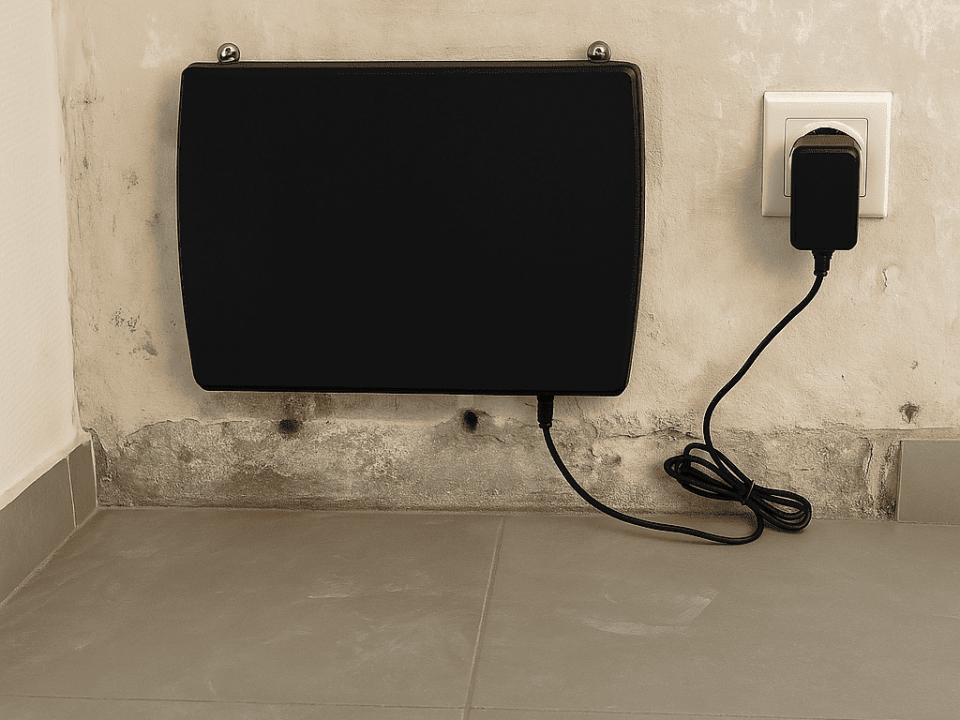
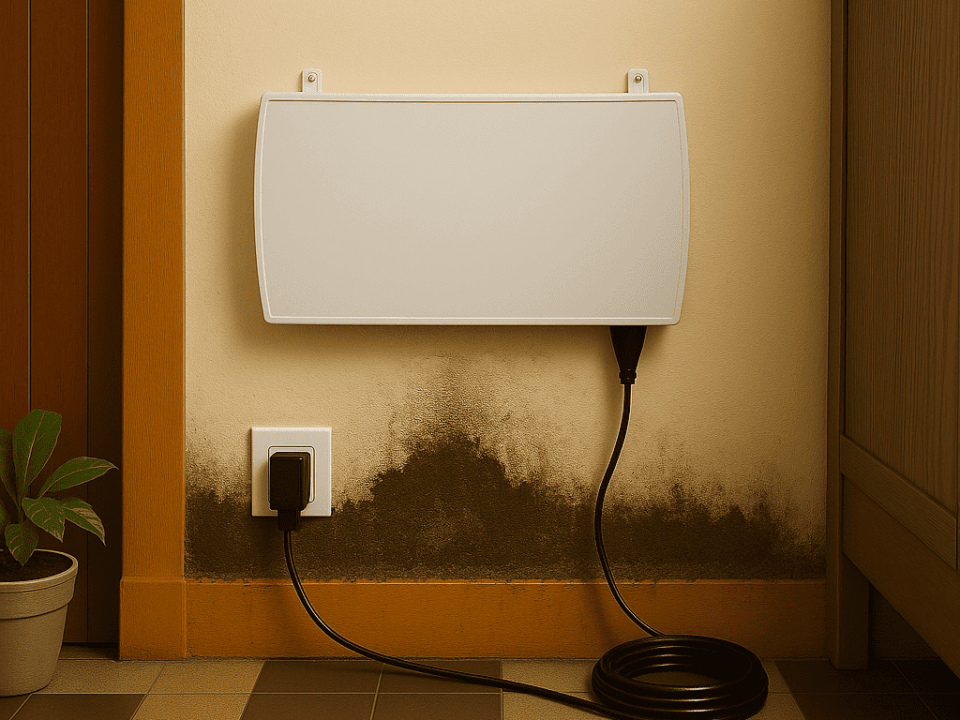
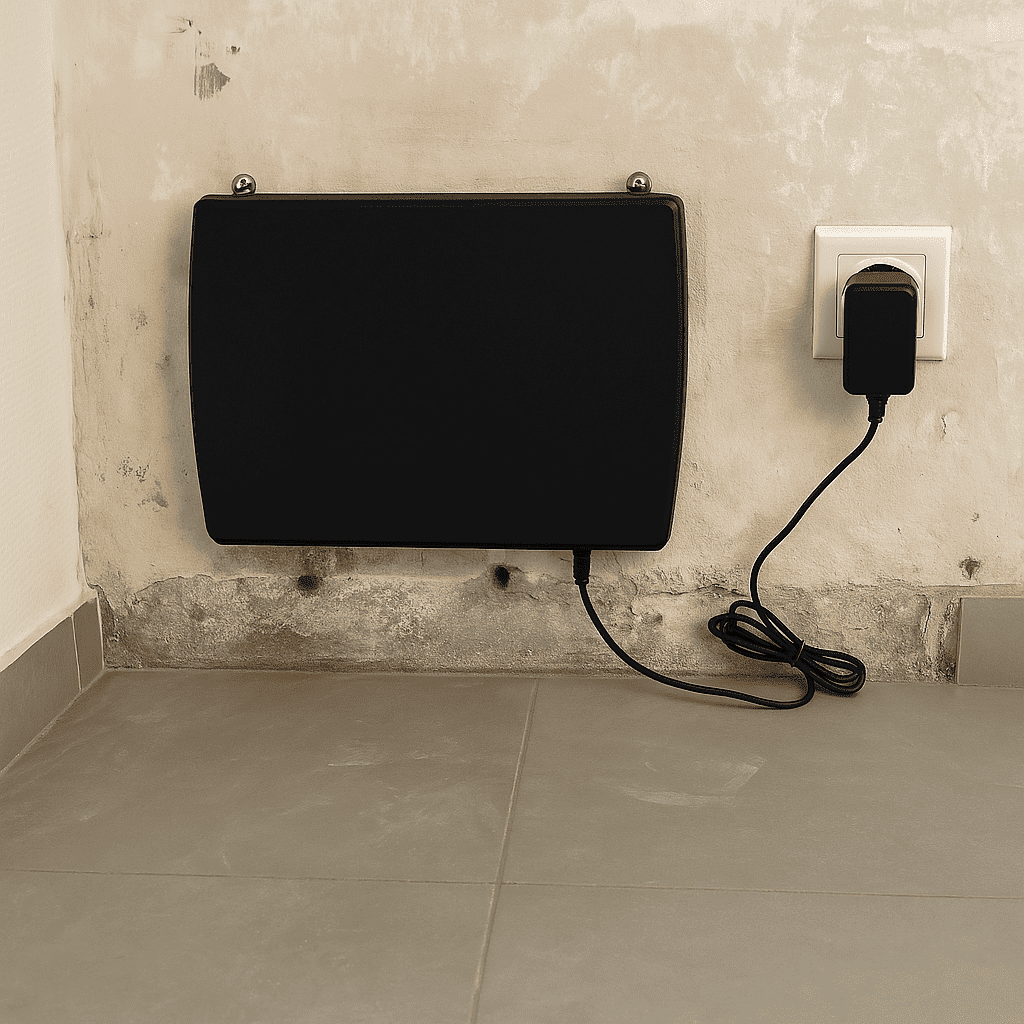
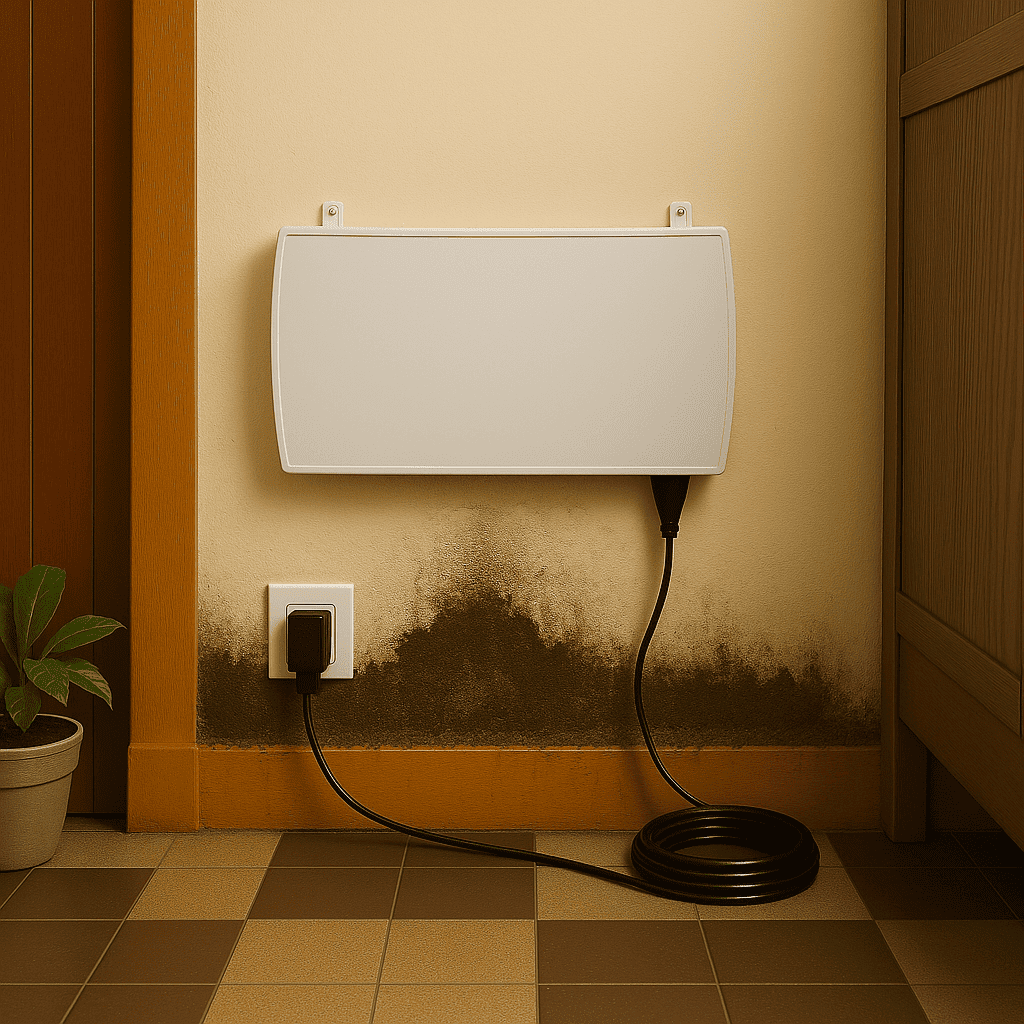
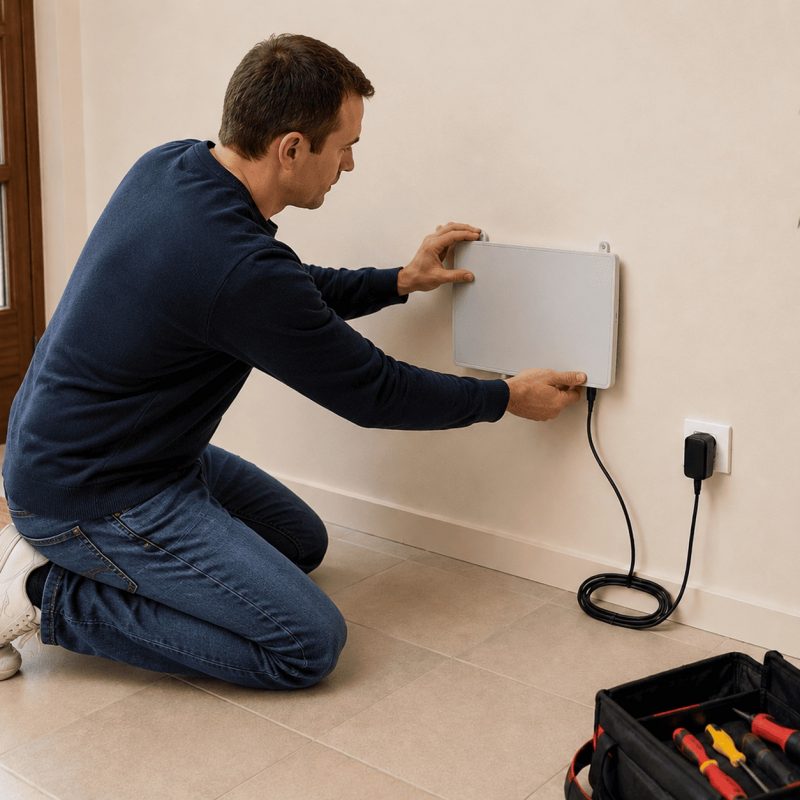
Faced with these limits, the anti-damp device offers another approach. It does not drill the walls and injects no product. Fitted at the base of a damp load-bearing wall, it supports the gradual drying of masonry affected by rising damp.
At Humidistop France, the ATE polarity inverters rely on electromagnetic technology, and the ATG models work without electricity thanks to geomagnetic technology. These devices are made in France, guaranteed for 10 years and tested by the Emitech and Nexio laboratories. An improvement is generally seen within 18 to 24 months, provided the installation recommendations are followed.
Injection or device: how to choose
Before any decision, you need to check that the damp really comes from capillary action. On a suitable wall, injection can be a good fit. On an old, thick or fragile building, the non-invasive device respects the structure more and avoids a heavy building project. The choice is made according to the wall, the budget and the level of work accepted.
Frequently asked questions
Is resin injection effective on a stone wall?
This is the trickiest case. A stone wall is uneven and often thick, which complicates the spread of the resin. The result can be patchy, with areas that stay damp.
Is the device effective without drilling the wall?
The device works without drilling, supporting the drying of the wall over time. It does not, however, treat a leak or an infiltration, which call for another repair. A sound diagnosis remains the first step.
Dry your walls without a building site
Unsure whether resin injection is effective for your home? Discover the anti-damp device, its ATE and ATG models, in our online shop, or send us a few photos for advice suited to your walls.