Second-hand wall dehumidifier: identify the device before buying or replacing it
11/11/2026
Home 14: wall checks before preparing new finishes
18/11/2026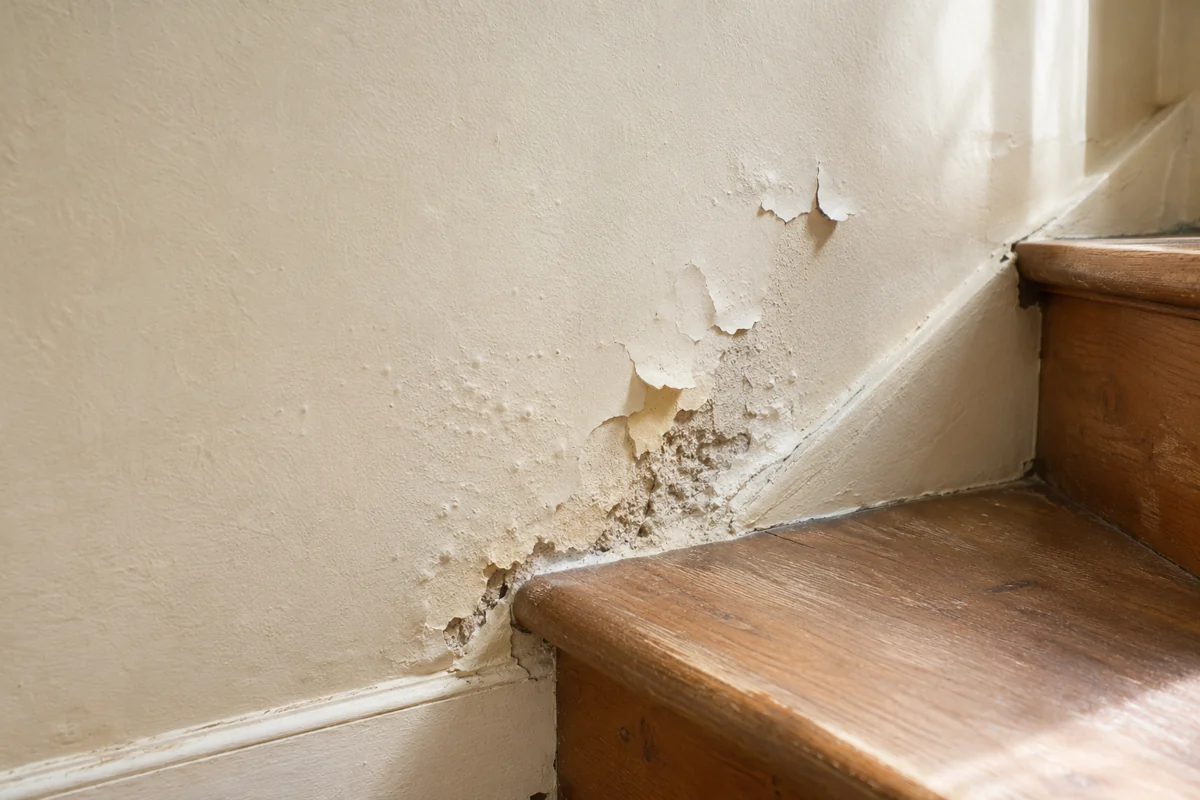
In a rented home, several people may observe damp without having the same information. The occupier sees daily changes, while the landlord may know about earlier repairs. Bringing these details together before ordering a wall dehumidifier helps prepare a coherent project instead of choosing equipment from a stain alone.
Create a shared description of the problem
Identify the affected rooms and photograph complete walls as well as details. Record dates, the height of marks and relevant circumstances: rain, room use, plumbing repairs or changes to heating. Separate observations from conclusions that still need checking.
White deposits, a smell or peeling paint do not automatically identify rising damp. Leaks, penetrating water and condensation need different responses. If the cause remains uncertain, clarify which investigations are needed before selecting equipment.
Explain what the device is intended to do
An air dehumidifier with a tank acts on room air. ATE and ATG are intended for masonry affected by identified rising damp. Considering them does not remove the need to deal with other water sources or to assess ventilation where it contributes to the problem.
Explain this distinction to the people using the home. Water collected by an air appliance is not a direct measurement of water inside a wall. A change in room conditions after adjusting settings or opening windows should not be confused with a conclusion about the drying of masonry.
Plan the position and access
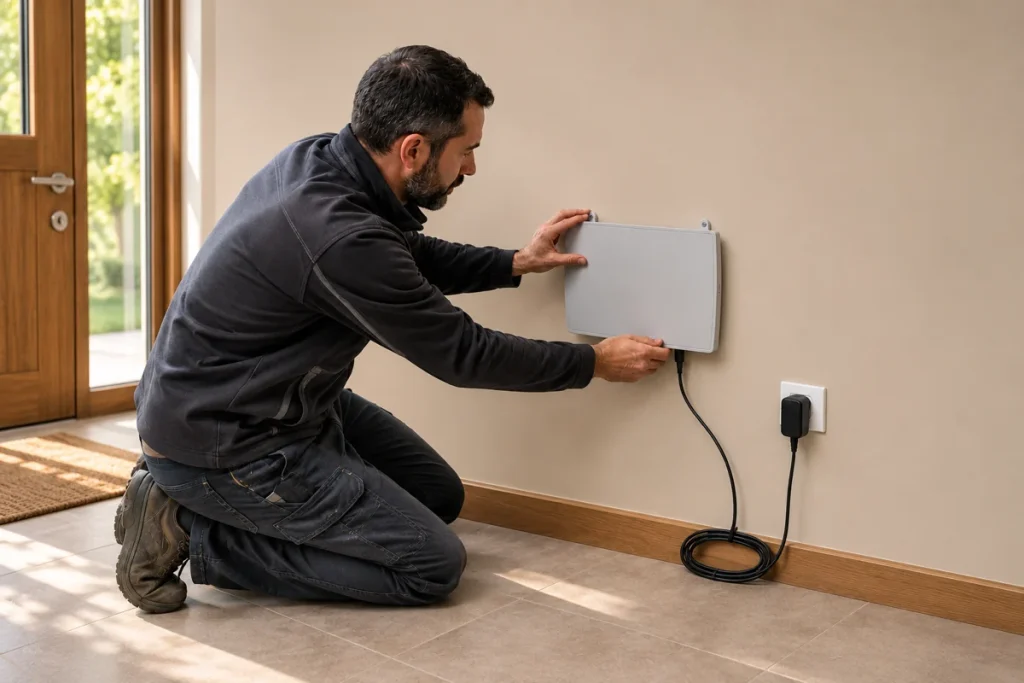
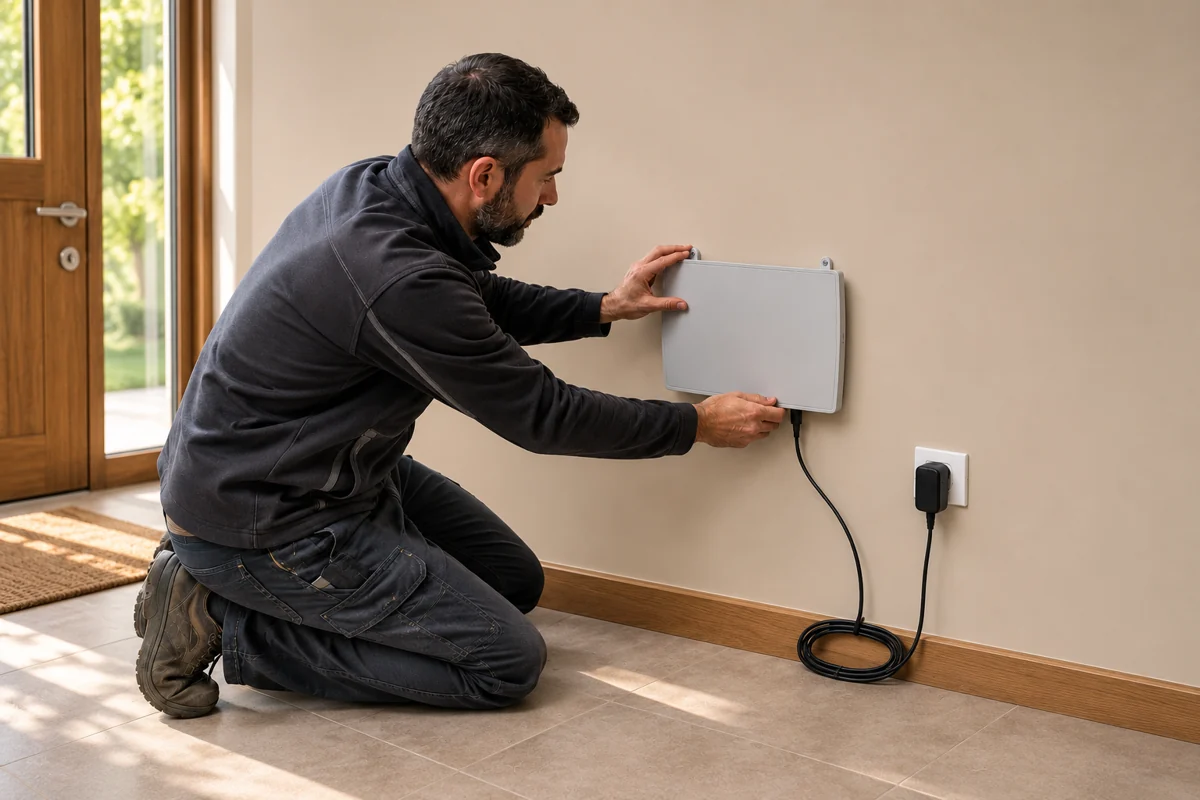
Compare models using the plan, distances and installation instructions. ATE operates with a permanent mains supply; ATG uses geomagnetic technology without an electrical connection. Selection must respect the model requirements, the building layout and everyday use of the proposed location.
Agree how access for installation and monitoring will be arranged. Hiding a device behind furniture that is difficult to move makes observation harder. Installation and any associated work should be coordinated between the people concerned; this guide does not determine their respective contractual responsibilities.
Keep consistent records after installation
Take dated photographs from the same positions and retain a record of interventions. Material readings need a comparable method and interpretation appropriate to the instrument and substrate. Drying is progressive and depends on materials, thickness, finishes and any continuing water inputs.
See the ATE and ATG devices in the Humidistop France shop when preparing your choice. If anything remains unclear, present the plan, photographs and access conditions through the contact form before ordering. A shared record makes the project easier to understand for the occupier, landlord and people carrying out the work.
Choose your Humidistop device
Is your problem caused by rising damp? Discover the ATE and ATG ranges made in France, with a 10-year manufacturer’s warranty under the terms of the product pages. Compare models, coverage and direct factory prices to choose the reference suited to your home.