Geomagnetic wall drying device: ATG reviews, prices and installation
06/11/2026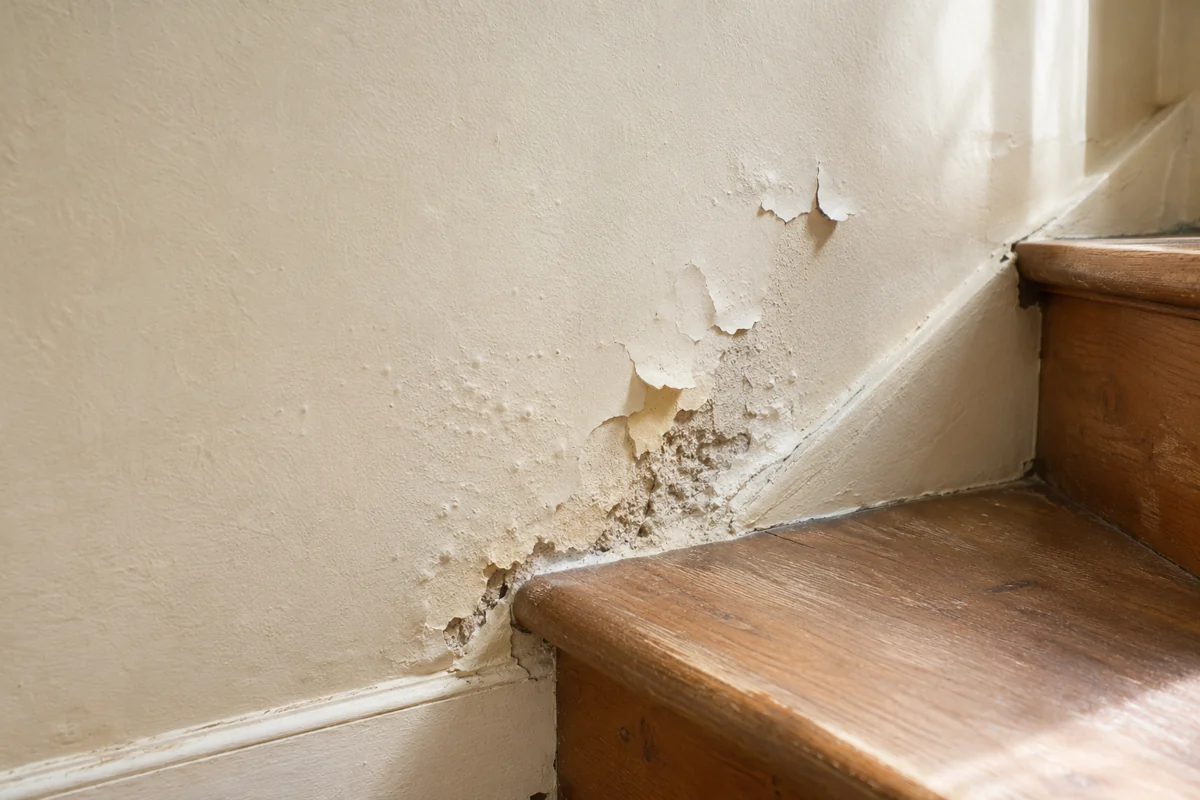
Wall dehumidifier in a rented home: plan installation and monitoring
11/11/2026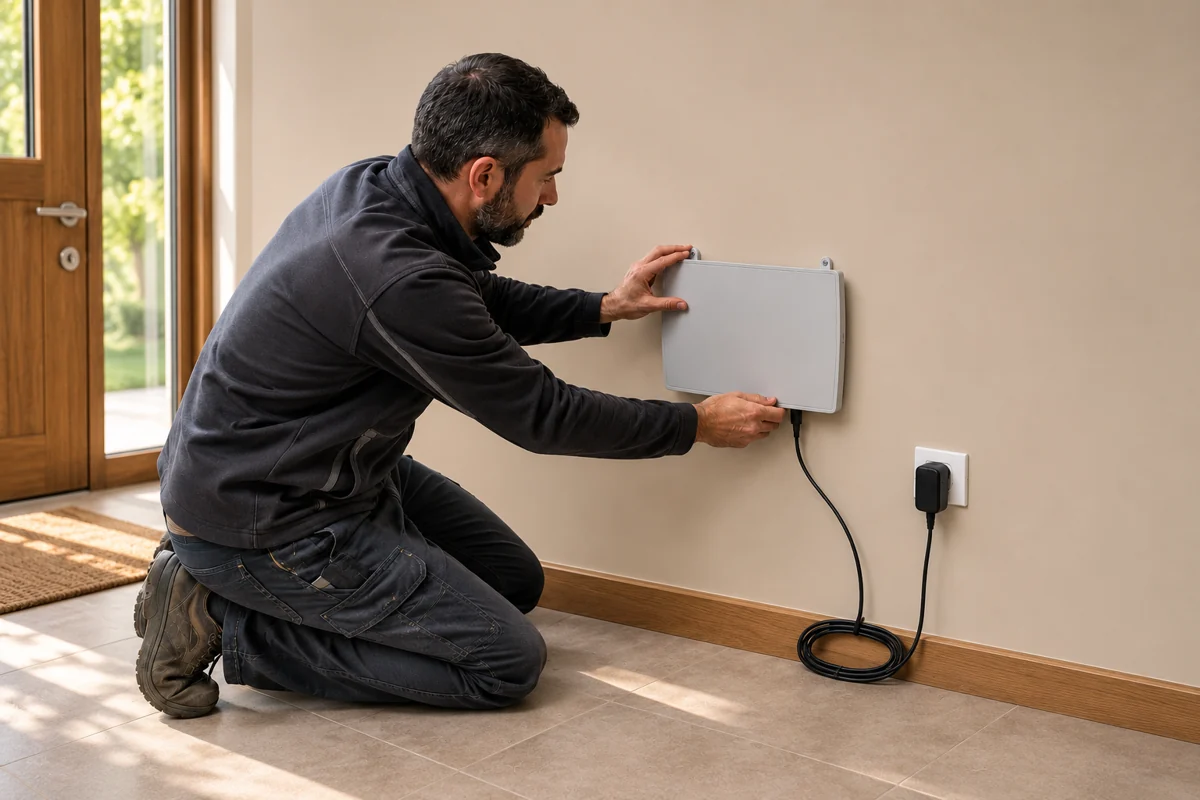
A device left in a house, a second-hand wall dehumidifier listing or a photograph without a model number does not tell you whether the equipment suits your building. Before buying or replacing it, identify the device, find its documentation and establish what the walls currently need. A similar-looking casing does not establish that an appliance has the same specifications as an ATE or ATG.
Start with the label and the documents
Photograph the complete unit, its visible markings and the accessories supplied. Look for the exact model, installation instructions, invoice and information from the previous owner. Do not infer technology, coverage or electricity use from appearance alone.
If a power supply, cable or fixing is missing, obtain an accurate identification before replacing it. An accessory that appears to fit may still be unsuitable. Any warranty needs to be checked against the documents and conditions applicable to that particular purchase; it cannot be inferred from a current offer for another model.
Check what the wall needs today
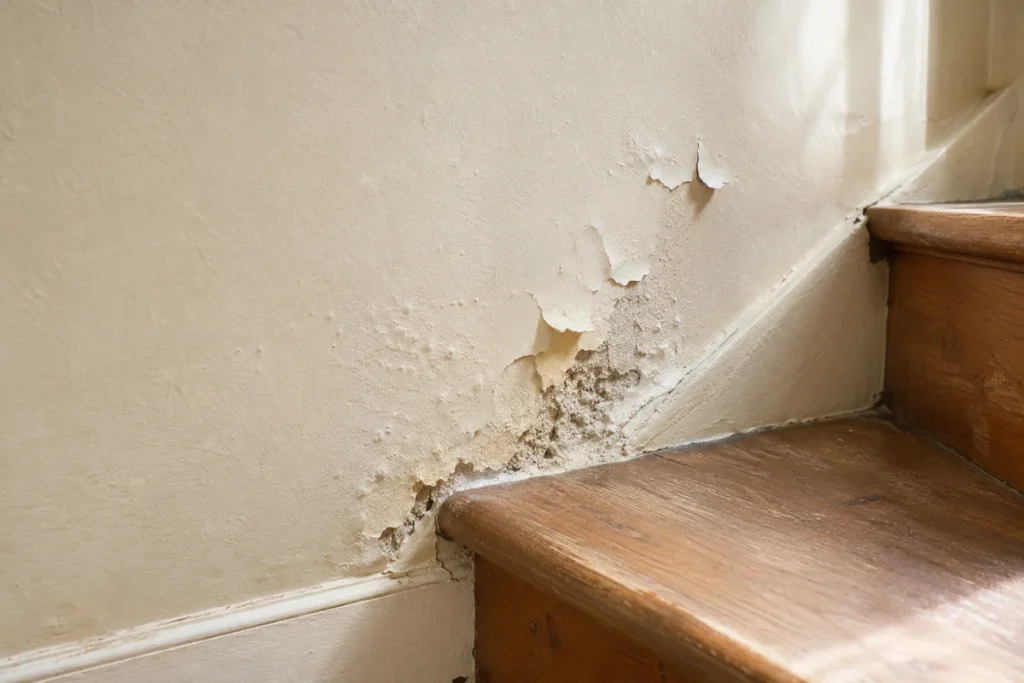
The presence of an old device does not prove the cause of damp. The building may have changed since installation: a repaired leak, facade work, altered ventilation or new finishes can all matter. Gather the history and assess the present signs before assuming that replacement is necessary.
An air dehumidifier with a tank acts on room air. ATE and ATG devices are intended for masonry affected by identified rising damp. They are therefore not compared by litres collected, and they do not replace repairs needed for active leaks or penetrating water.
Compare documented ATE and ATG models
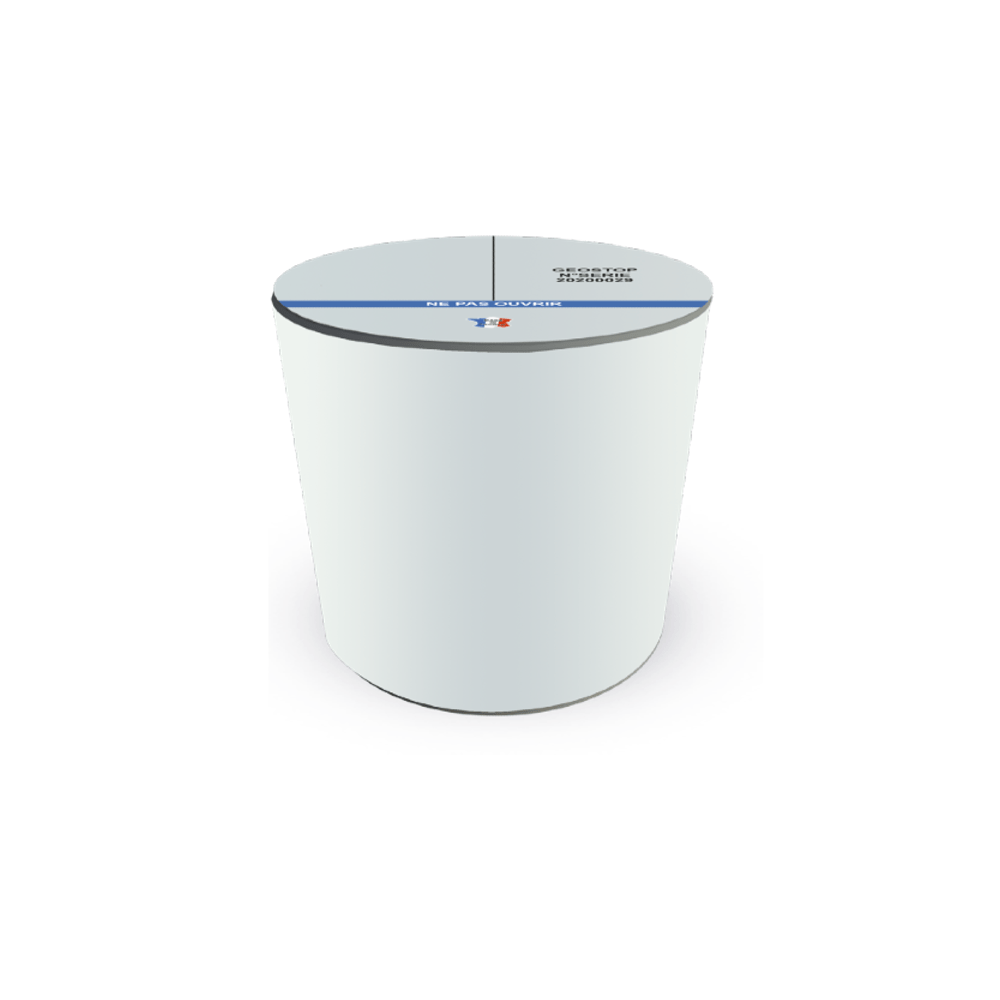
The ATE range uses electromagnetic technology and requires mains power. The ATG range uses geomagnetic technology without an electrical connection. Compare the exact product sheets and instructions, relating the stated coverage to the building layout.
Prepare a floor plan showing affected walls and distances from the proposed installation point. A coverage diameter is not automatically equivalent to a floor area. Several levels or distant parts of a building deserve specific consideration before selecting a model.
Prepare a useful enquiry before ordering
Send photographs of the model markings, the documents you have found, your plan and the history of work on the building. This helps distinguish a query about existing equipment from a project for a current device. Equipment with an uncertain electrical condition or unidentified power supply needs an appropriate check before reconnection.
Browse the ATE and ATG models in our shop to compare current specifications. Use the Humidistop France contact form to present an old device and discuss your choice. The aim is to work from an identified model and an identified need, rather than buying on the strength of a photograph.
Choose your Humidistop device
Is your problem caused by rising damp? Discover the ATE and ATG ranges made in France, with a 10-year manufacturer’s warranty under the terms of the product pages. Compare models, coverage and direct factory prices to choose the reference suited to your home.