How long does a damp wall take to dry?
18/05/2026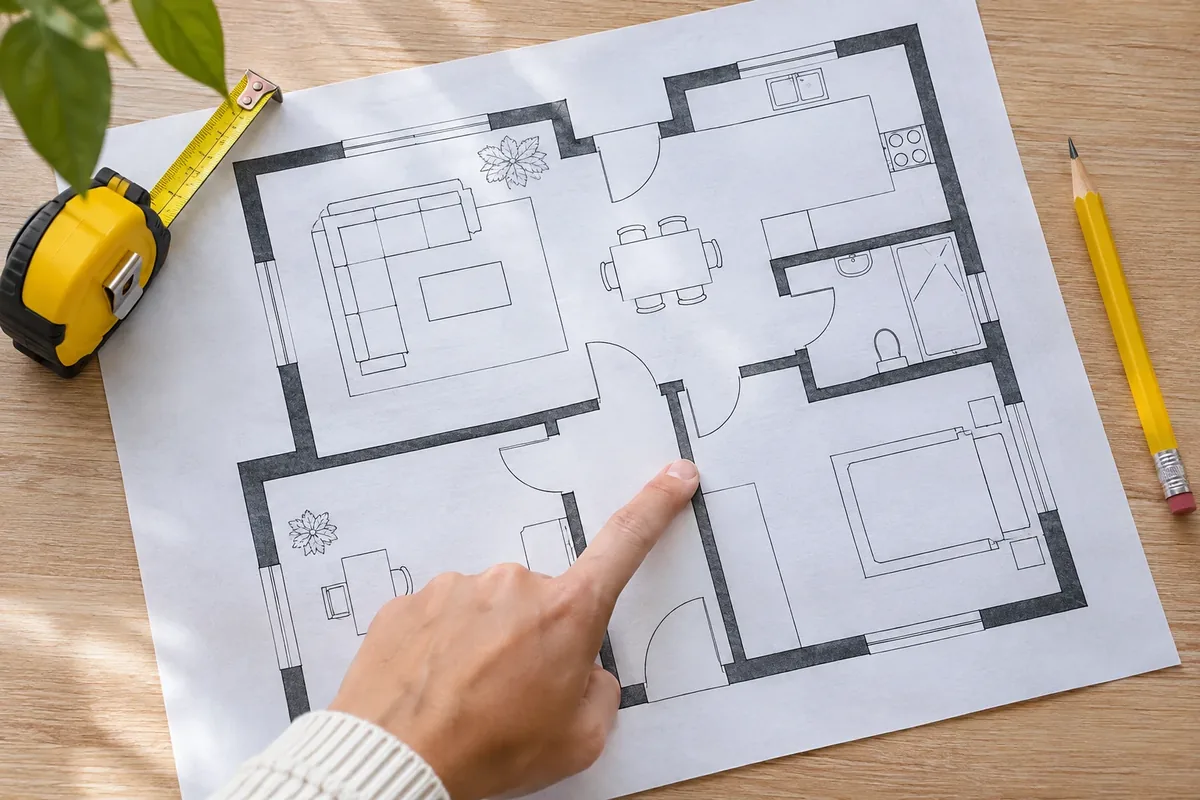
Which device for damp walls? Choose for the cause
18/05/2026
Choose ATE or ATG by checking the water source, available power and installation conditions. ATE needs permanent mains power; ATG operates without an electrical supply. The aim is to select a model that can be installed correctly and covers the affected walls.
1. Confirm the problem to be addressed
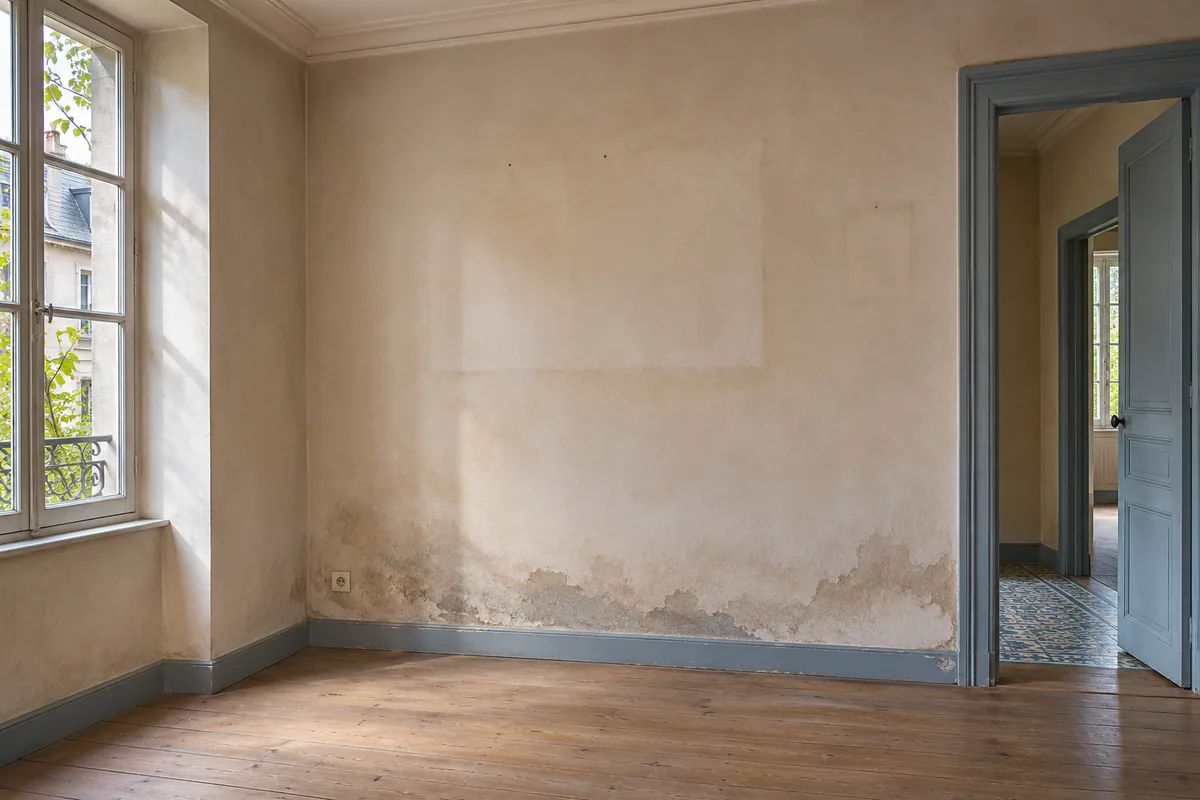
Humidistop presents both ranges for rising damp. Leaks, rainwater ingress and condensation need appropriate action at their source. Marks at floor level are clues to investigate, not a complete diagnosis.
2. Check power and the mounting surface
ATE is generally considered first when a suitable damp load-bearing wall and permanent mains supply are available. If a permanent connection is unsuitable, examine ATG and its separate positioning requirements. ATE and ATG instructions should not be interchanged.
3. Check coverage from the actual position
Draw the proposed position on a scale plan and compare the stated radius with all affected walls. The total floor area does not replace this check. Use the exact model information rather than specifications remembered from another reference.
4. Compare the complete purchase
Read the current product page, manual, included equipment and warranty terms. Price alone or a similar-looking casing does not establish that two offers contain the same model or service.
5. Prepare the follow-up
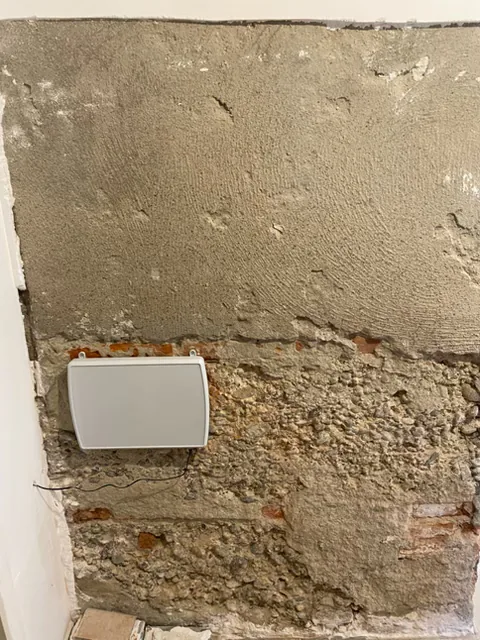
Record the wall condition before installation and plan comparable drying checks. For a more detailed explanation of the two ranges, read the full ATE and ATG comparison. You can then choose from the current models in the shop.
Choose your Humidistop device
Discover devices made in France with a 10-year manufacturer’s warranty under the terms shown on the product page. Compare models, coverage and direct factory prices, then order the reference suited to your home.
View models and prices in the Humidistop shop · Ask for advice before buying.